centenar
“centenar” means “a hundred” in Spanish. It has 2 different meanings depending on context:

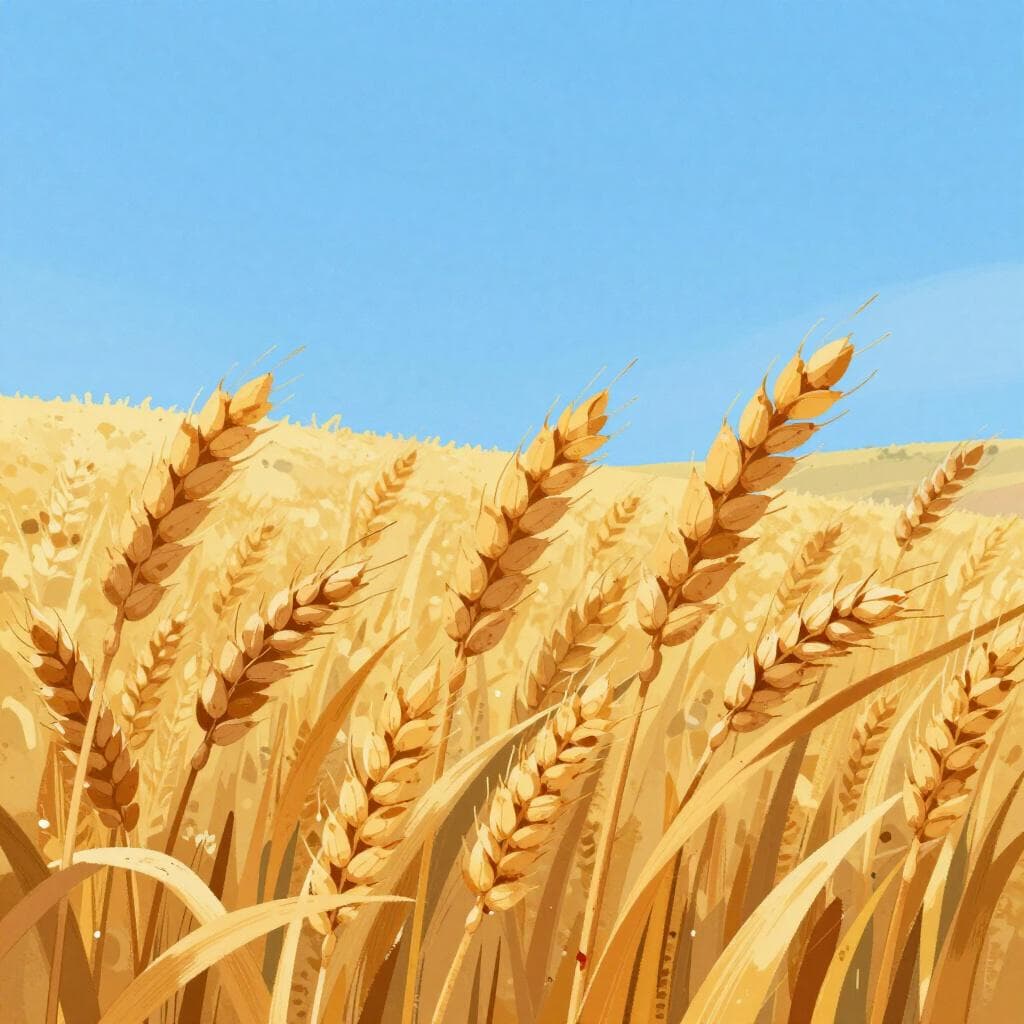
a hundred
Also: hundreds
📝 In Action
Había un centenar de personas en la plaza.
A2There were a hundred people in the square.
El museo recibió casi un centenar de obras nuevas.
B1The museum received nearly a hundred new works.
Miles de aves vuelan en centenares por el cielo.
B2Thousands of birds fly in hundreds across the sky.
rye field
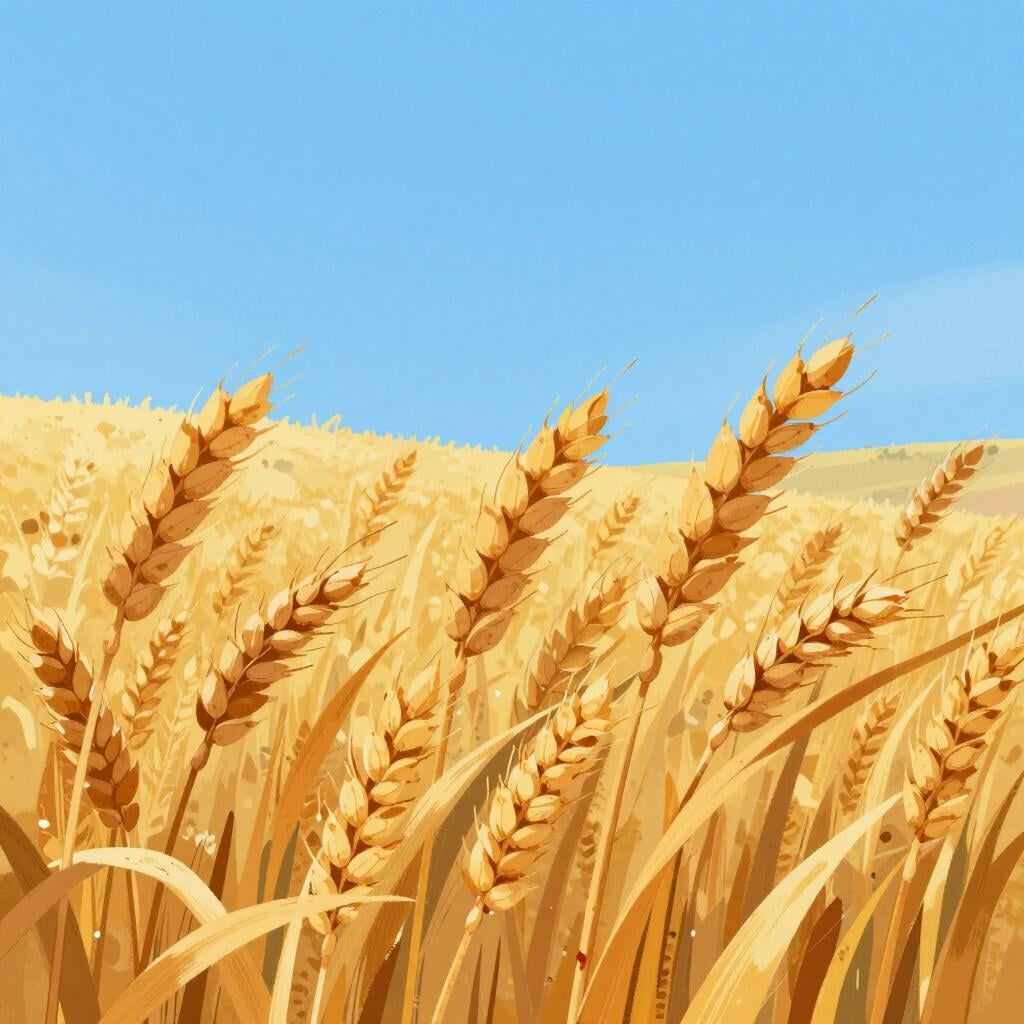
📝 In Action
El centenar se mecía con el viento del verano.
C1The rye field swayed with the summer wind.
Era un centenar fértil cerca del río.
C2It was a fertile rye field near the river.
Los campesinos trabajaban duro en el centenar.
C2The peasants worked hard in the rye field.
Translate to Spanish
✏️ Quick Practice
Quick Quiz: centenar
Question 1 of 3
How do you say 'a hundred books' using 'centenar'?
📚 More Resources
👥 Word Family▼
📚 Etymology▼
The meaning '100' comes from the Latin 'centenarius' (containing a hundred). The meaning 'rye field' comes from the Spanish word 'centeno' (rye).
First recorded: 13th century
Cognates (Related words)
💡 Master Spanish
Take your Spanish to the next level. Read 200+ illustrated and narrated Spanish stories tailored to your level with the Inklingo app!
Frequently Asked Questions
What is the difference between 'cien' and 'centenar'?
'Cien' is the number itself (100). 'Centenar' is a noun that describes a group of a hundred things, similar to how 'a dozen' describes a group of twelve.
Is 'centenar' masculine or feminine?
It is always masculine: 'el centenar' or 'un centenar'.
Can I use 'centenar' for exactly 100?
Yes, but it is often used to mean 'about a hundred' or to emphasize a large quantity in a more descriptive way than the simple number.