chatarra
“chatarra” means “scrap metal” in Spanish. It has 2 different meanings depending on context:
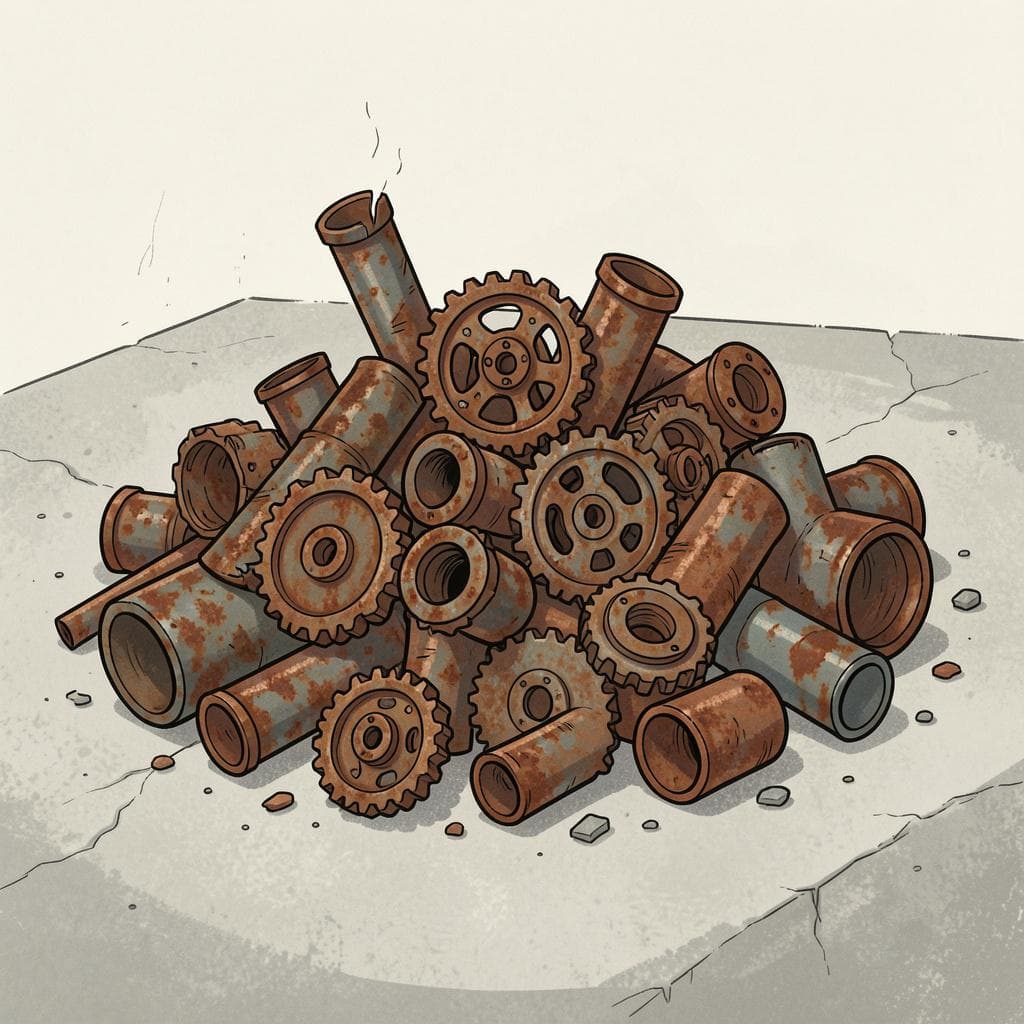
scrap metal
Also: junk, clunker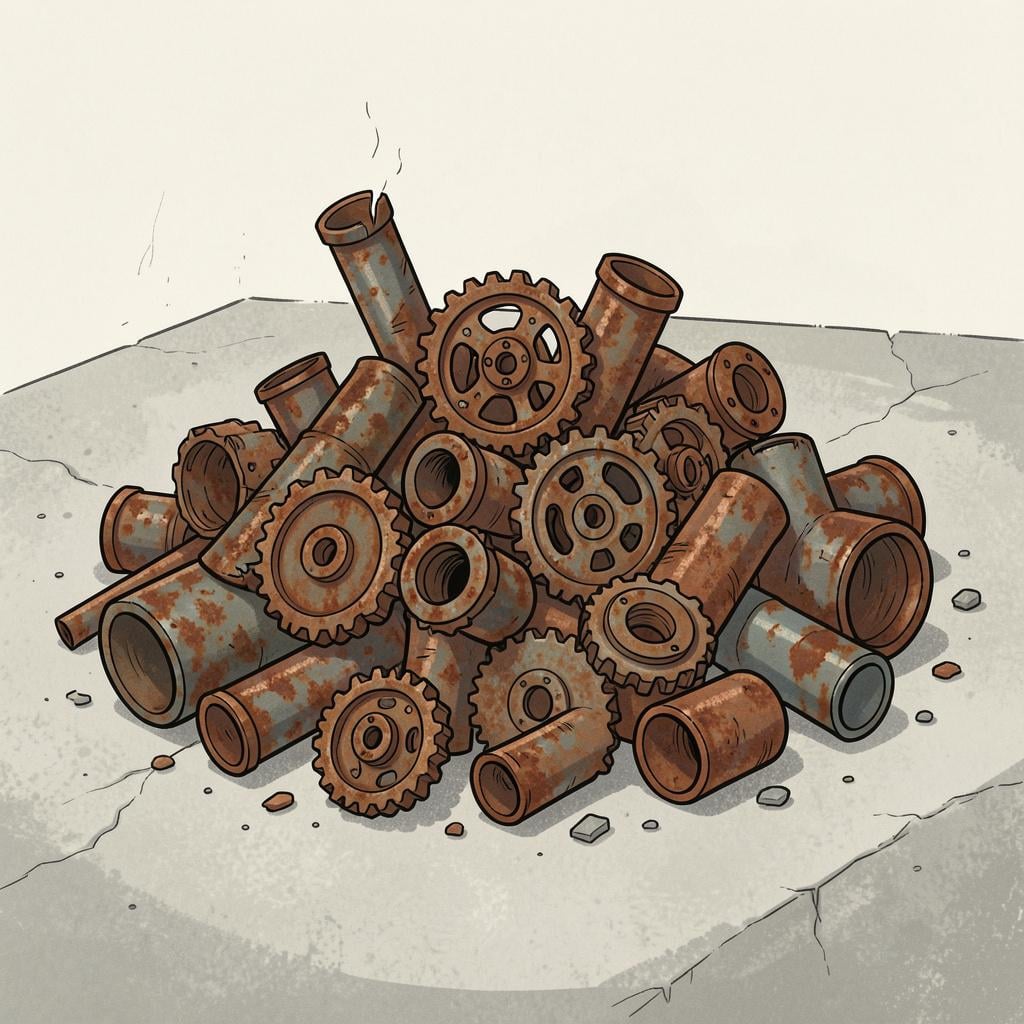
📝 In Action
Vendimos el coche viejo como chatarra.
B1We sold the old car as scrap metal.
El patio estaba lleno de chatarra acumulada.
B1The yard was full of accumulated junk.
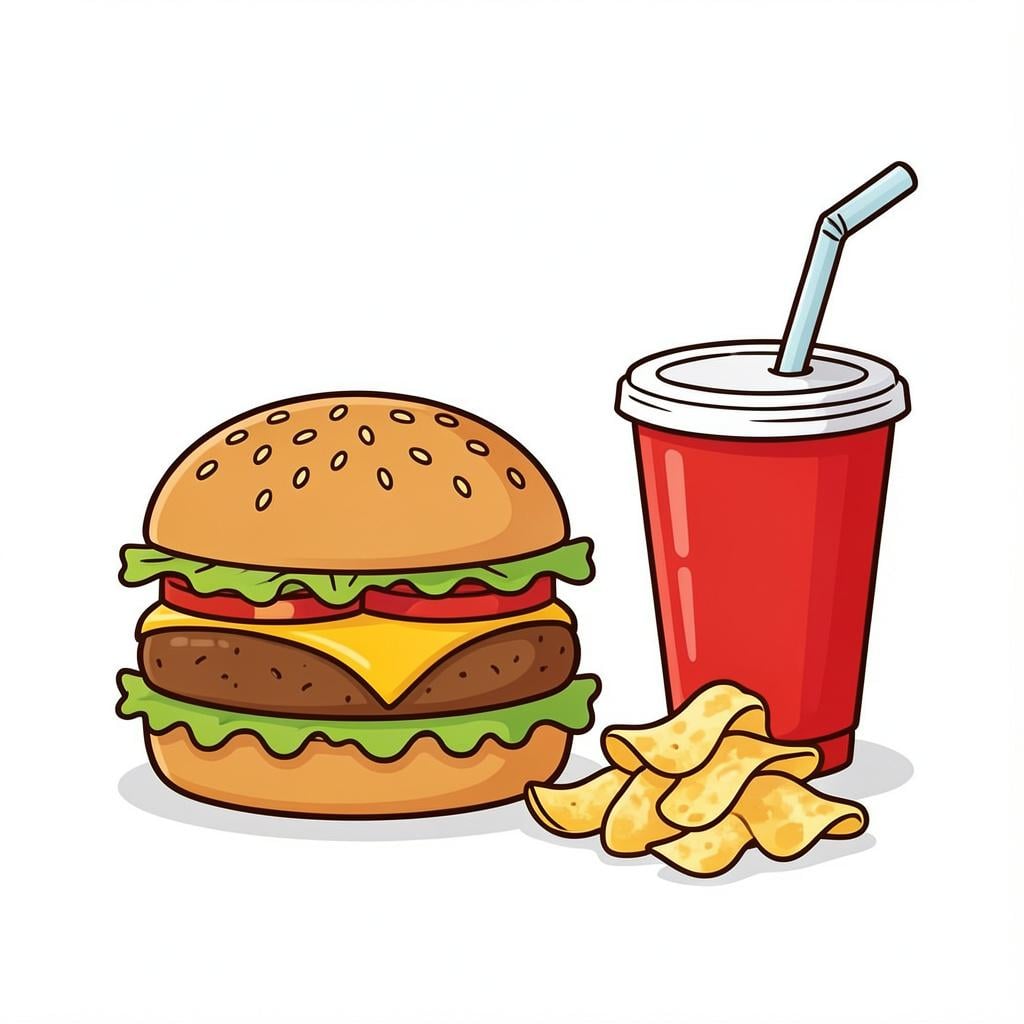
junk food
📝 In Action
No es bueno comer mucha chatarra.
A2It's not good to eat a lot of junk food.
Los niños prefieren la comida chatarra.
A2Children prefer junk food.
Translate to Spanish
✏️ Quick Practice
Quick Quiz: chatarra
Question 1 of 2
If you take an old, broken washing machine to a recycling center, what are you bringing?
📚 More Resources
👥 Word Family▼
📚 Etymology▼
Likely from the Basque word 'txatarra,' which means 'old iron' or 'rags.' It refers to something that has lost its original value.
First recorded: 17th century
💡 Master Spanish
Take your Spanish to the next level. Read 200+ illustrated and narrated Spanish stories tailored to your level with the Inklingo app!
Frequently Asked Questions
Is 'chatarra' an insult?
When applied to an object, like a car or a computer, it is a way of saying it's useless or poor quality. When applied to food, it just means it's unhealthy.
Can I use 'chatarra' for old clothes?
No, for old clothes or rags, you would typically use 'trapos.' 'Chatarra' is almost always reserved for metal, machinery, or food.