clavar
“clavar” means “to nail” in Spanish. It has 4 different meanings depending on context:



to nail, to drive in
Also: to stick into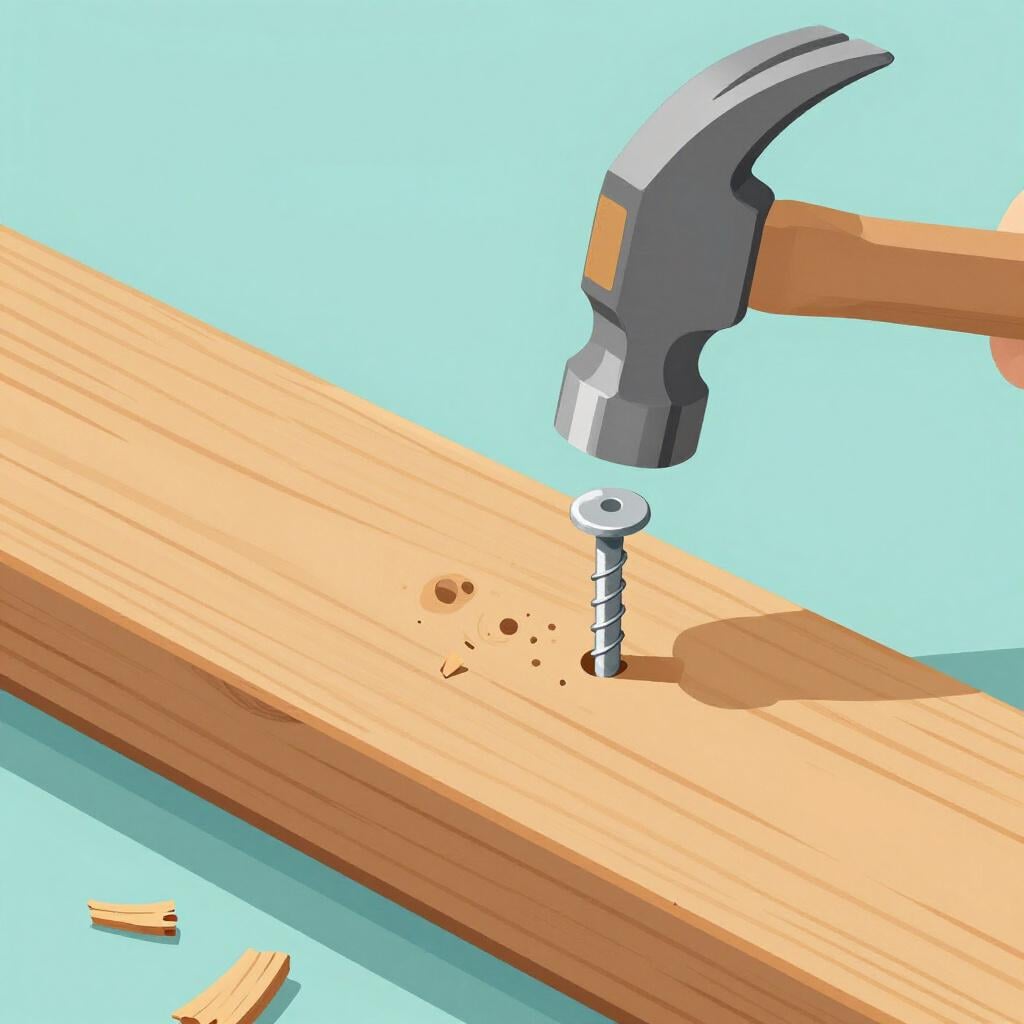
📝 In Action
Necesito clavar este cuadro en la pared.
A2I need to nail this picture to the wall.
Ten cuidado de no clavarte una espina en el pie.
B1Be careful not to stick a thorn in your foot.
El carpintero clavó las maderas con fuerza.
A2The carpenter nailed the pieces of wood together with force.
to fix, to stare at

📝 In Action
Ella clavó los ojos en el extraño.
B1She fixed her eyes on the stranger.
Él clavó la mirada en el suelo de pura vergüenza.
B1He fixed his gaze on the floor out of pure shame.
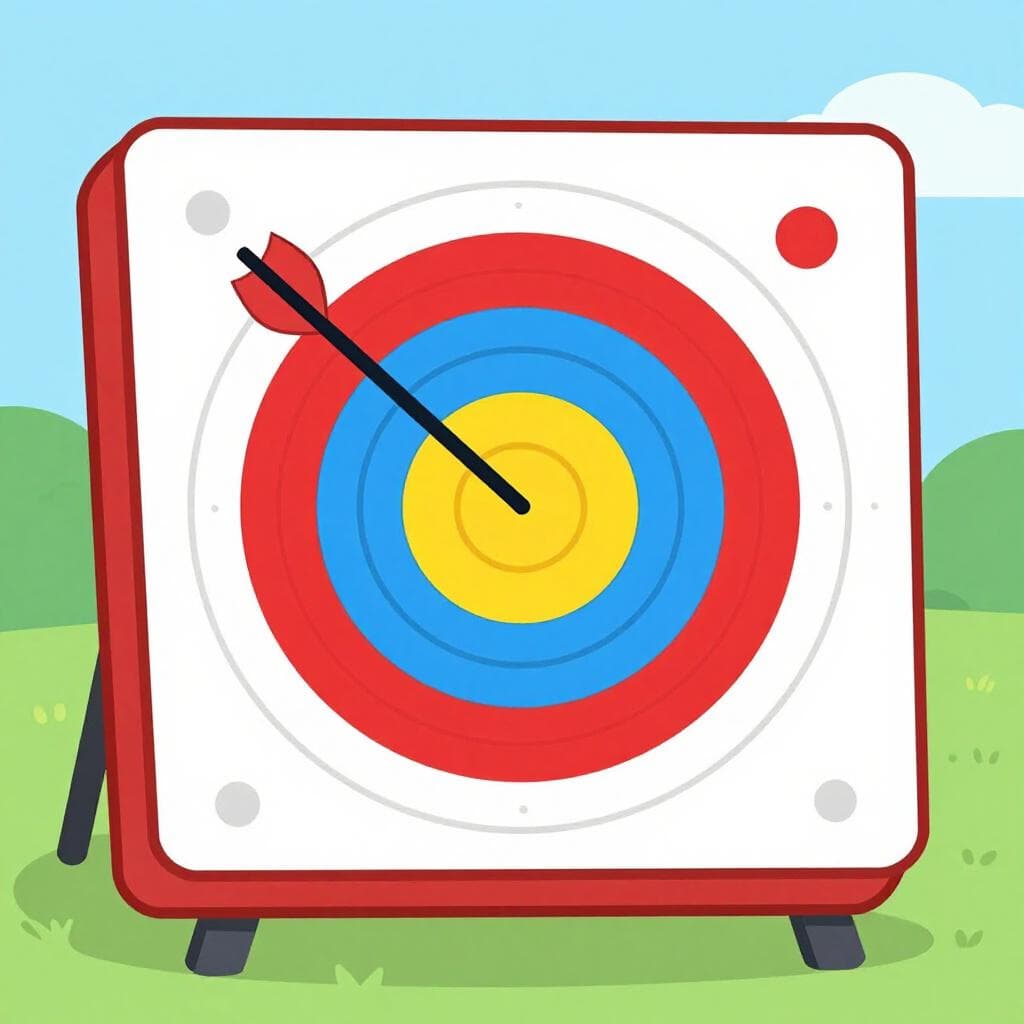
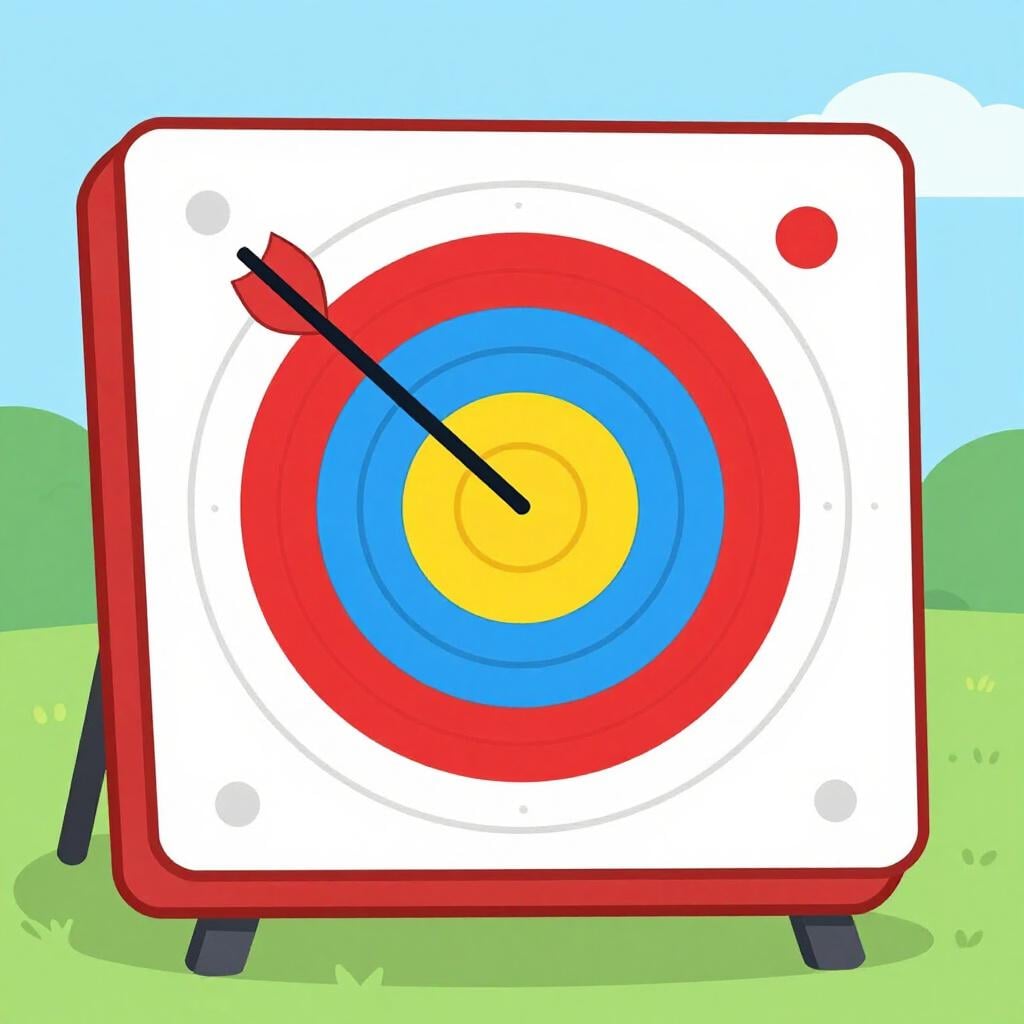
to nail it, to get exactly right
📝 In Action
¡Clavaste el salto! Fue perfecto.
B2You nailed the jump! It was perfect.
Clavó la respuesta en el primer intento.
B2He got the answer exactly right on the first try.
to overcharge, to rip off

📝 In Action
Nos clavaron cincuenta euros por dos hamburguesas.
C1They ripped us off fifty euros for two hamburgers.
Ten cuidado en esa tienda, suelen clavar a los turistas.
C1Be careful in 그 store, they usually overcharge tourists.
Subjunctive
Imperfect Subjunctive
Present Subjunctive
Indicative
Preterite
Imperfect
Present
Translate to Spanish
🗣️ Practice in a Tongue Twister
✏️ Quick Practice
Quick Quiz: clavar
Question 1 of 3
Which sentence uses 'clavar' to mean 'to overcharge'?
📚 More Resources
👥 Word Family▼
📚 Etymology▼
From the Latin word 'clavare', which comes from 'clavus', meaning a nail or a pin.
First recorded: 13th century
Cognates (Related words)
💡 Master Spanish
Take your Spanish to the next level. Read 200+ illustrated and narrated Spanish stories tailored to your level with the Inklingo app!
Frequently Asked Questions
Is 'clavar' a regular verb?
Yes, it follows the standard pattern for verbs ending in -ar in all tenses.
How do I say 'I stuck a splinter in my finger'?
You should use the reflexive form: 'Me clavé una astilla en el dedo.'
Can 'clavar' be used for sports?
Yes! In sports like diving or gymnastics, if you land perfectly, people will say you 'clavaste' the move.