cogió
“cogió” means “grabbed” in Spanish. It has 2 different meanings depending on context:
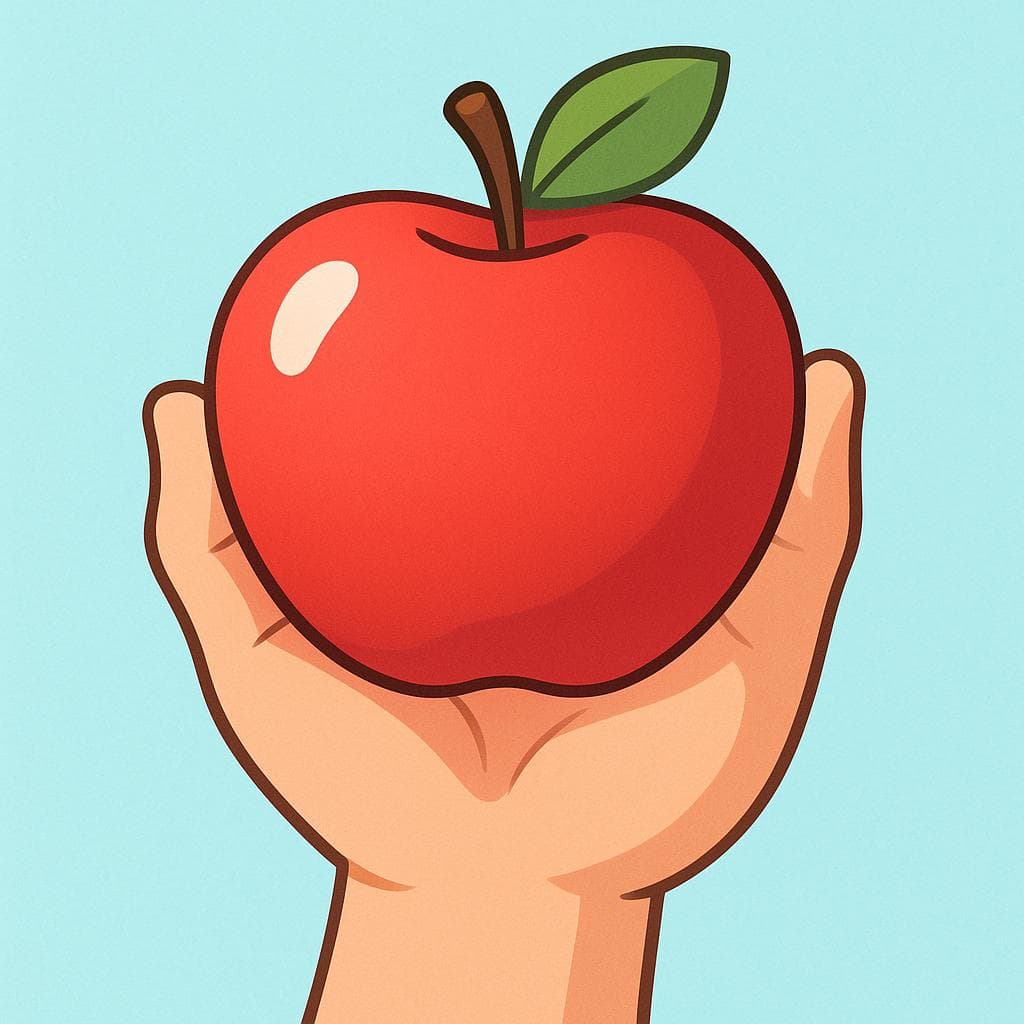

grabbed, picked up
Also: took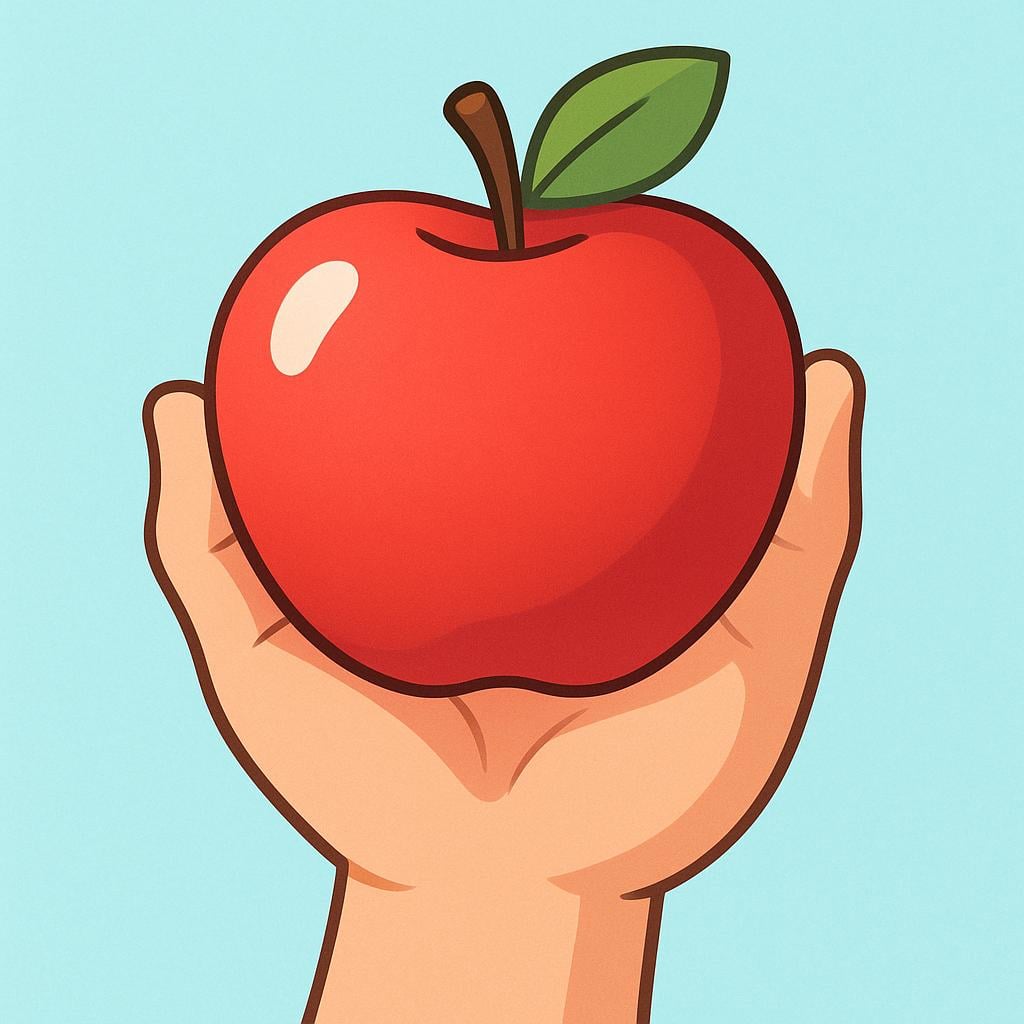
📝 In Action
Ella cogió el teléfono inmediatamente.
A2She grabbed the phone immediately.
El niño cogió un dulce de la mesa.
A2The boy picked up a piece of candy from the table.
Usted cogió mi paraguas por error, ¿verdad?
B1You took my umbrella by mistake, right?
caught, contracted
Also: got
📝 In Action
Llegó tarde y no cogió el tren de las diez.
B1He arrived late and didn't catch the ten o'clock train.
Ella cogió un resfriado después de la lluvia.
B2She caught a cold after the rain.
Indicative
Present
Imperfect
Preterite
Subjunctive
Present Subjunctive
Imperfect Subjunctive
Translate to Spanish
Words that translate to "cogió" in Spanish:
caught→✏️ Quick Practice
Quick Quiz: cogió
Question 1 of 2
Which sentence correctly uses a safe substitute for 'cogió' (in the sense of 'grabbed') when speaking in Mexico?
📚 More Resources
👥 Word Family▼
🎵 Rhymes▼
📚 Etymology▼
Comes from the Latin verb *colligere*, meaning 'to gather' or 'to collect.' Over time, the meaning shifted from gathering things together to simply taking hold of a single object.
First recorded: 13th century
Cognates (Related words)
💡 Master Spanish
Take your Spanish to the next level. Read 200+ illustrated and narrated Spanish stories tailored to your level with the Inklingo app!
Frequently Asked Questions
Is 'cogió' a regular or irregular verb form?
'Cogió' itself follows the standard pattern for -er verbs in the simple past (preterite) tense, making it regular in this specific form. However, the base verb 'coger' is considered irregular because its 'yo' form in the present tense ('cojo') changes the 'g' to a 'j'.
Why is this word sometimes considered vulgar?
In Spain, 'coger' means 'to grab' or 'to catch' and is completely normal. However, in almost all of Latin America, the verb 'coger' is considered rude or vulgar slang, meaning 'to have sex.' Always use substitutes like 'tomar' (to take) or 'agarrar' (to grab) when in Latin America.