colar
“colar” means “to strain” in Spanish. It has 3 different meanings depending on context:
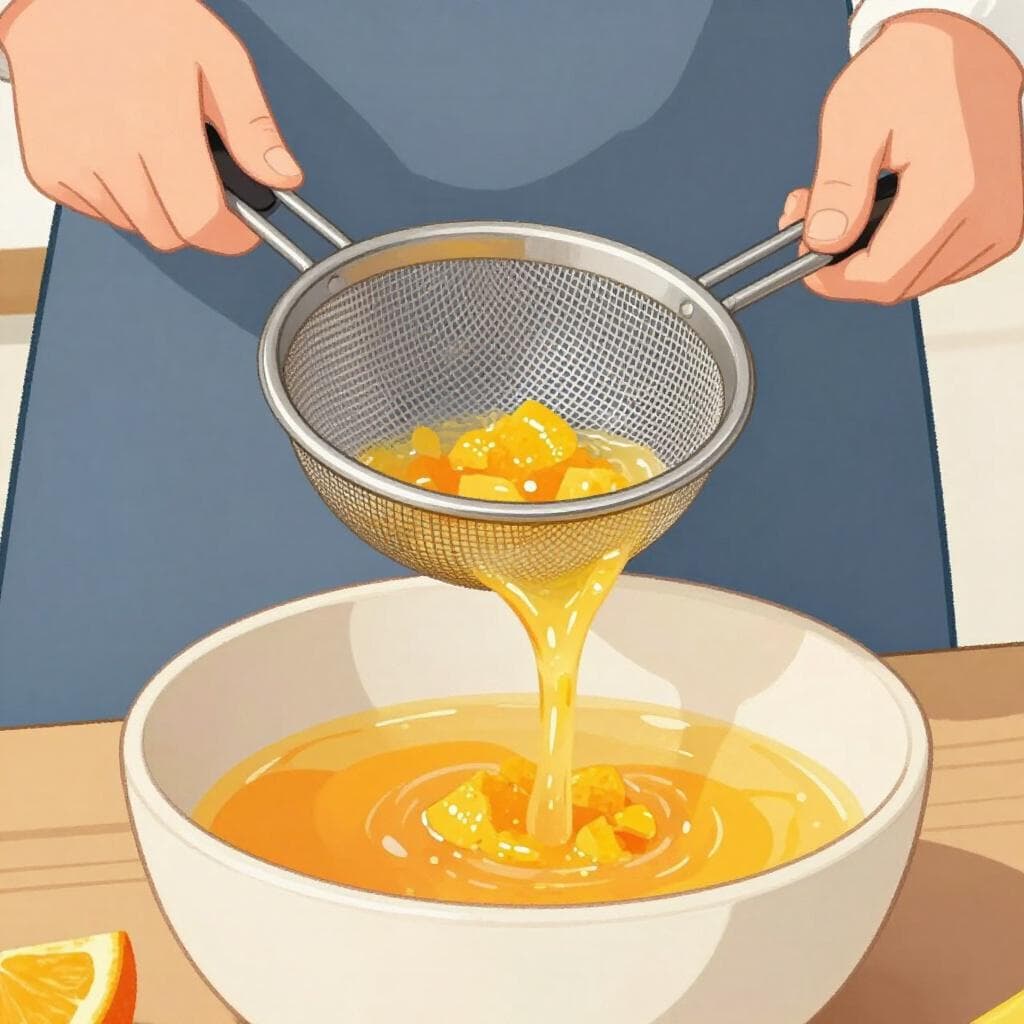


to strain
Also: to sieve, to filter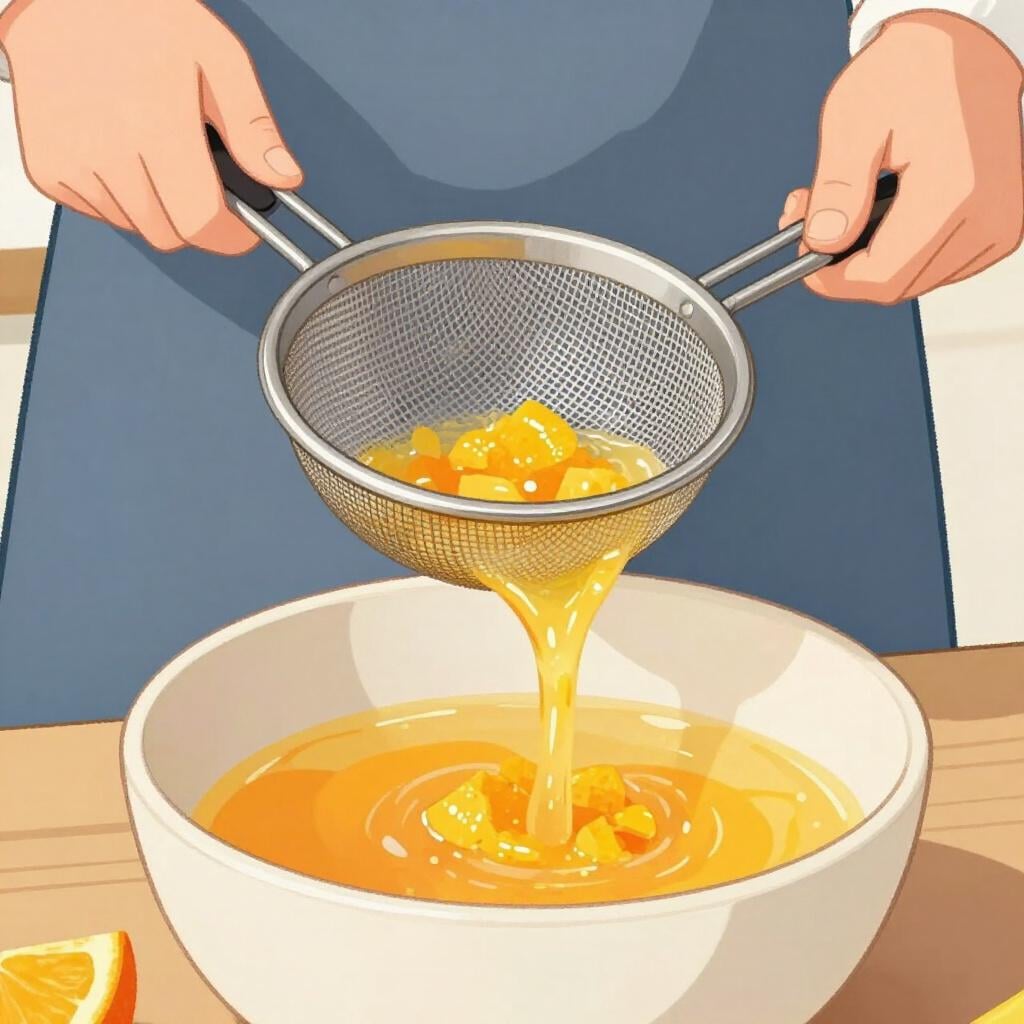
📝 In Action
Tienes que colar el caldo antes de servirlo.
A2You have to strain the broth before serving it.
Cuela el café con cuidado.
A1Strain the coffee carefully.
He colado el zumo porque no me gusta la pulpa.
B1I strained the juice because I don't like the pulp.
to sneak in
Also: to cut in line
📝 In Action
Se colaron en el concierto sin entrada.
B1They sneaked into the concert without a ticket.
¡No te cueles! Hay mucha gente esperando.
B1Don't cut in line! There are many people waiting.
El niño se coló por el agujero de la valla.
B2The boy slipped through the hole in the fence.
to pass off
Also: to fall for
📝 In Action
Esa excusa no va a colar.
B2That excuse is not going to work (nobody will believe it).
Me intentaron colar un billete falso.
C1They tried to pass off a fake bill on me.
Le colamos la broma a mi hermano.
B2We got my brother to fall for the prank.
Subjunctive
Imperfect Subjunctive
Present Subjunctive
Indicative
Preterite
Imperfect
Present
Translate to Spanish
✏️ Quick Practice
Quick Quiz: colar
Question 1 of 3
If you are in a long line at the bank and someone jumps in front of you, what are they doing?
📚 More Resources
👥 Word Family▼
📚 Etymology▼
From Latin 'colare', which comes from 'colum', meaning a 'sieve' or 'basket' used for straining liquids.
First recorded: 13th century
Cognates (Related words)
💡 Master Spanish
Take your Spanish to the next level. Read 200+ illustrated and narrated Spanish stories tailored to your level with the Inklingo app!
Frequently Asked Questions
What is the difference between 'colar' and 'filtrar'?
'Colar' is used for everyday tasks like straining pasta or coffee. 'Filtrar' is more technical or refers to very fine particles (like a water filter).
Can 'colar' mean to do the laundry?
No, but 'la colada' means the laundry. It's related because ancient ways of washing clothes involved 'straining' lye through the fabric.
Is 'colar' used in all Spanish-speaking countries?
Yes, both for the kitchen sense and the 'sneaking in' sense, it is understood everywhere.