How to Say "to strain" in Spanish
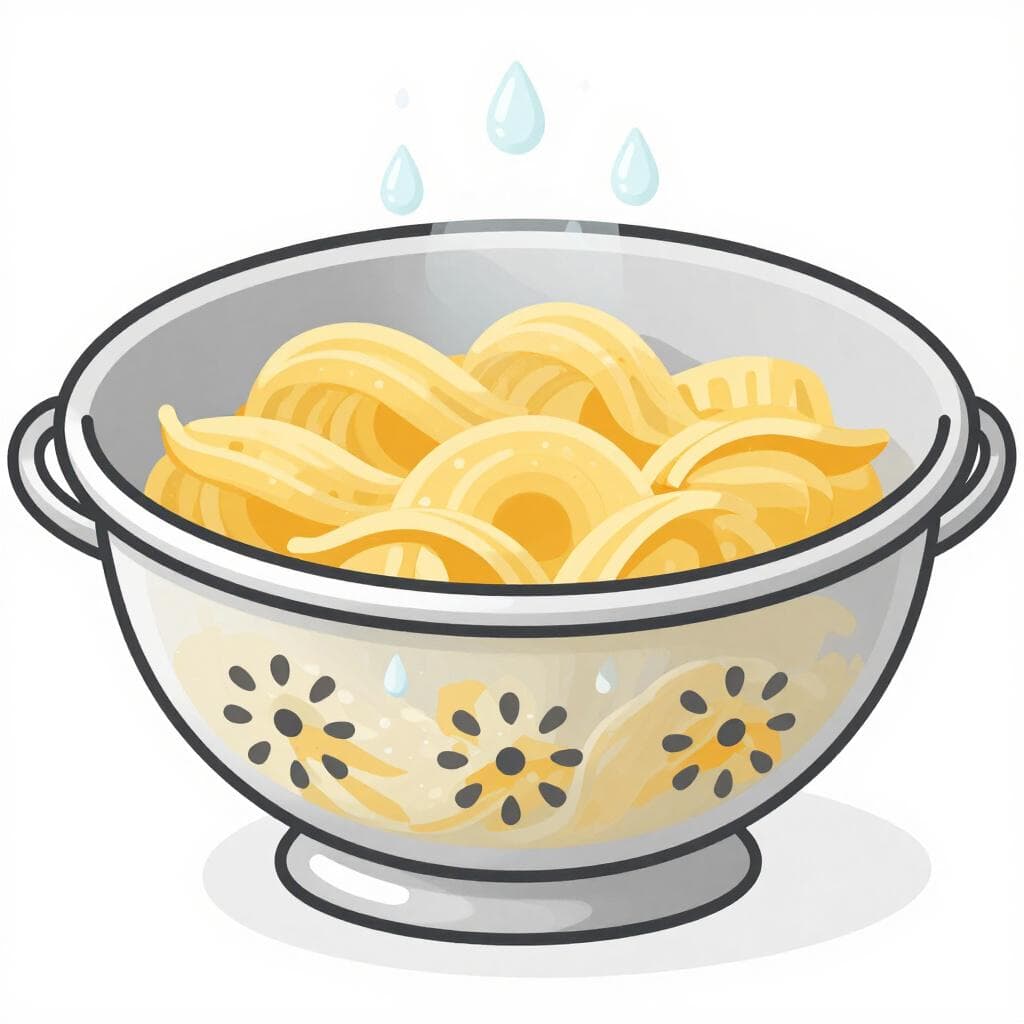
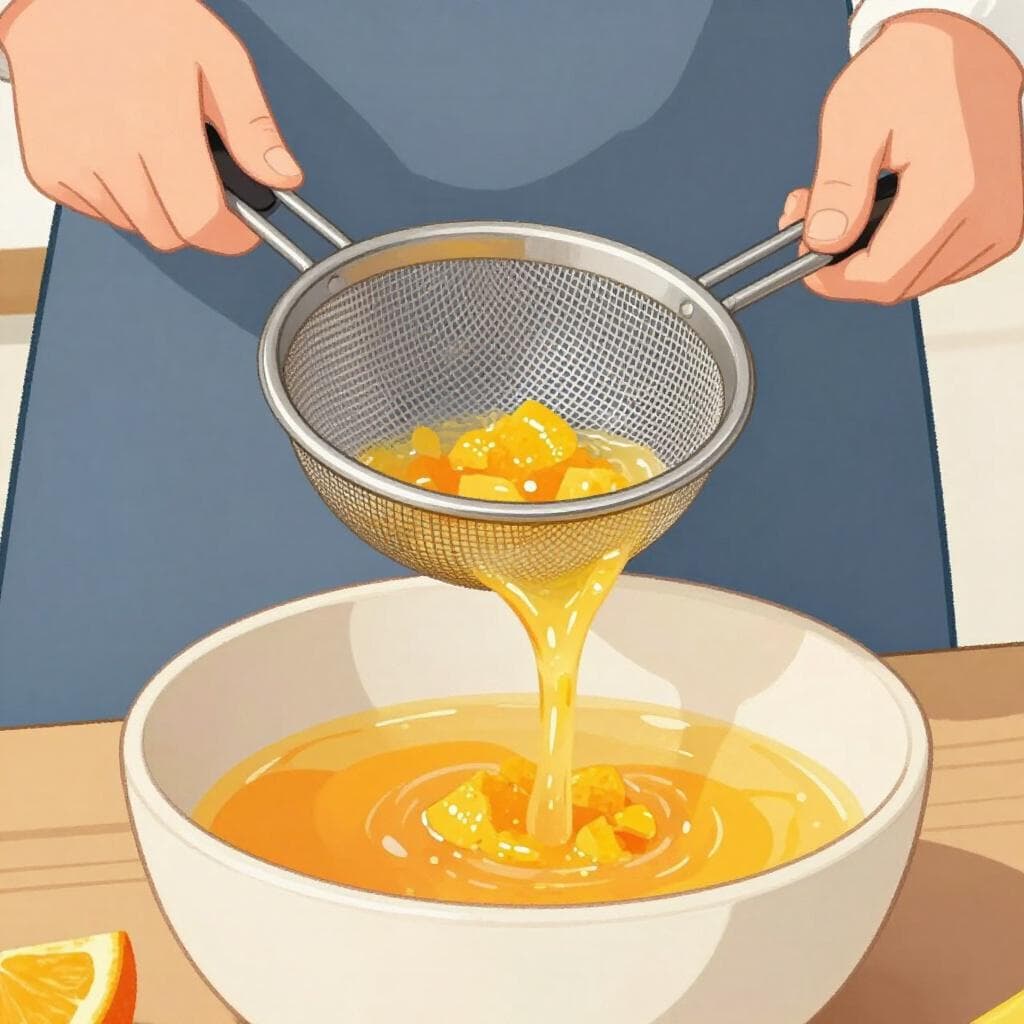
The most common Spanish word for “to strain” is “escurrir” — use 'escurrir' when separating a solid food item from its liquid, like draining pasta or washing vegetables.


escurrir
es-koo-reereskuˈriɾ
Examples
Tienes que escurrir la pasta antes de servirla.
You have to drain the pasta before serving it.
Deja escurrir los platos sobre el fregadero.
Let the dishes drip dry over the sink.
El paraguas está escurriendo agua por todo el pasillo.
The umbrella is dripping water all over the hallway.
Action vs. Result
Use 'escurrir' when you are actively removing water (like with a colander) or when an object is naturally losing its water.
Escurrir vs. Escuchar
Mistake: “Escucha la pasta.”
Correction: Escurre la pasta. 'Escuchar' means 'to listen,' but they sound similar to beginners!
colar
ko-larkoˈlaɾ

Examples
Tienes que colar el caldo antes de servirlo.
You have to strain the broth before serving it.
Cuela el café con cuidado.
Strain the coffee carefully.
He colado el zumo porque no me gusta la pulpa.
I strained the juice because I don't like the pulp.
The Stem Change Rule
This word changes its middle 'o' to 'ue' when you stress it (cuelo, cuelas), but it stays 'o' when the stress is at the end (colamos, coláis).
Forgetting the 'ue'
Mistake: “Yo colo el zumo.”
Correction: Yo cuelo el zumo because the 'o' changes to 'ue' in the present tense for the 'I' form.
filtrar
feel-TRARfilˈtɾaɾ

Examples
Necesitamos filtrar el agua del río antes de beberla.
We need to filter the river water before drinking it.
Las nubes filtran la luz del sol.
The clouds filter the sunlight.
Puedes filtrar los resultados de búsqueda por precio.
You can filter the search results by price.
Filtering physical things vs. digital things
Just like in English, 'filtrar' works for both cleaning water and sorting through data on a computer.
Confusing with 'colar'
Mistake: “Using 'filtrar' when straining pasta.”
Correction: Use 'colar' for kitchen tasks like draining pasta, and 'filtrar' for more thorough processes like water purification.
esforzar
es-for-saresforˈθar

Examples
No debes esforzar la vista leyendo con poca luz.
You shouldn't strain your eyes reading in low light.
El cantante esforzó la voz y ahora no puede hablar.
The singer strained his voice and now he can't talk.
No 'se' required
Unlike when you 'make an effort,' when you are straining a body part, you don't use the 'se' pronoun. It's an action you do TO your eyes or voice.
Cooking vs. Physical Strain
Related Translations
Learn Spanish with Inklingo
Interactive stories, personalized learning, and more.