esforzar
“esforzar” means “to make an effort” in Spanish. It has 2 different meanings depending on context:
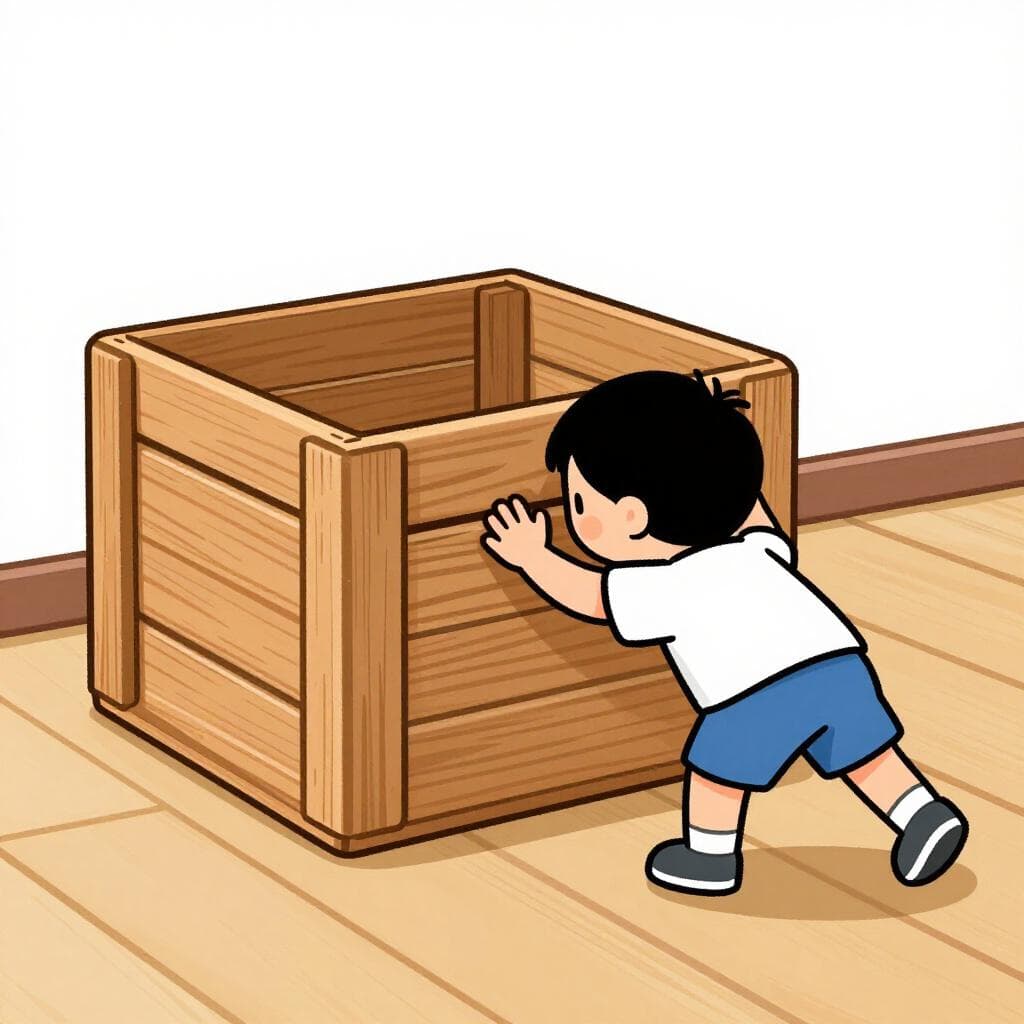

to make an effort
Also: to strive, to try hard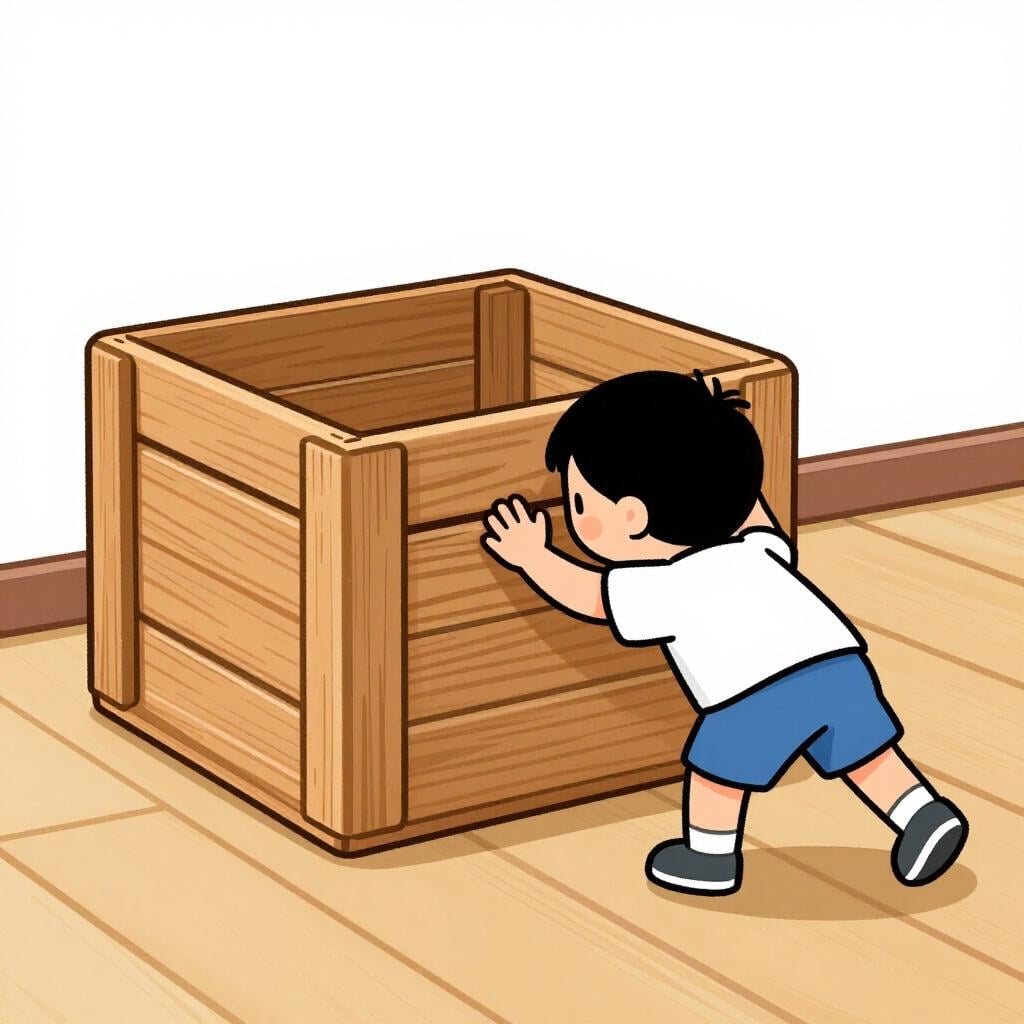
📝 In Action
Me esfuerzo mucho por aprender español cada día.
A2I make a big effort to learn Spanish every day.
Si te esfuerzas, conseguirás el trabajo.
B1If you try hard, you will get the job.
Ellos se esforzaron por terminar el proyecto a tiempo.
B2They strove to finish the project on time.
to strain
Also: to force
📝 In Action
No debes esforzar la vista leyendo con poca luz.
B2You shouldn't strain your eyes reading in low light.
El cantante esforzó la voz y ahora no puede hablar.
C1The singer strained his voice and now he can't talk.
Subjunctive
Imperfect Subjunctive
Present Subjunctive
Indicative
Preterite
Imperfect
Present
Translate to Spanish
✏️ Quick Practice
Quick Quiz: esforzar
Question 1 of 3
Which form is correct for 'I make an effort'?
📚 More Resources
👥 Word Family▼
📚 Etymology▼
From the Latin prefix 'ex-' (out/thoroughly) and 'fortiare' (to make strong), which comes from 'fortis' (strong). It literally means to put your strength out into the world.
First recorded: 13th century
Cognates (Related words)
💡 Master Spanish
Take your Spanish to the next level. Read 200+ illustrated and narrated Spanish stories tailored to your level with the Inklingo app!
Frequently Asked Questions
What is the difference between 'esforzar' and 'tratar'?
'Tratar' means 'to try' or 'to attempt,' while 'esforzarse' implies a deeper level of hard work, sweat, and dedication.
Is 'esforzar' a regular verb?
No, it's a stem-changing verb (o > ue) and it also has a spelling change (z > c) in some forms.
Can I use 'esforzar' for a car engine?
Yes! You can say 'esforzar el motor' if you are pushing the car's engine too hard.