relajar
“relajar” means “to relax” in Spanish. It has 2 different meanings depending on context:

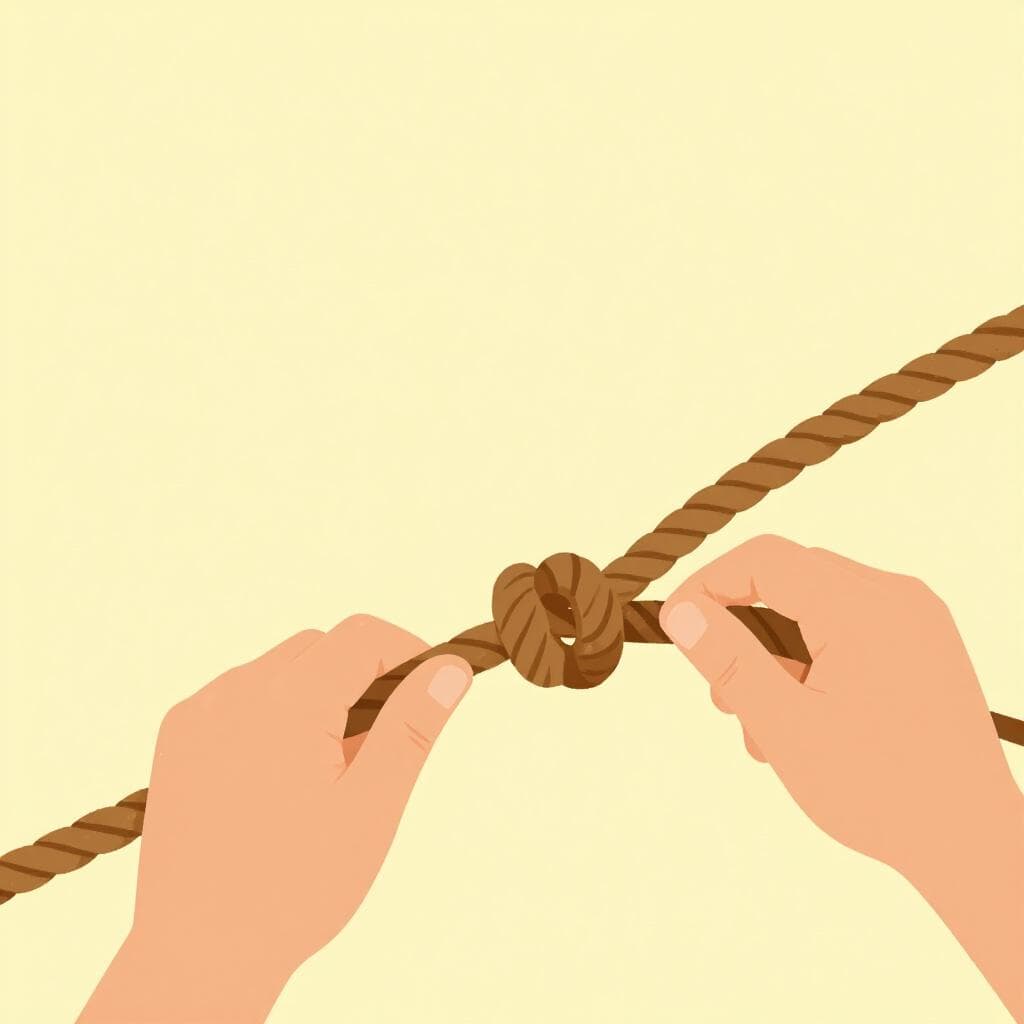
to relax
Also: to soothe
📝 In Action
Esta música suave me relaja mucho después del trabajo.
A2This soft music relaxes me a lot after work.
El profesor trata de relajar el ambiente antes del examen.
B1The teacher tries to relax the atmosphere before the exam.
Un buen masaje puede relajar los músculos tensos.
A2A good massage can relax tense muscles.
to loosen
Also: to slacken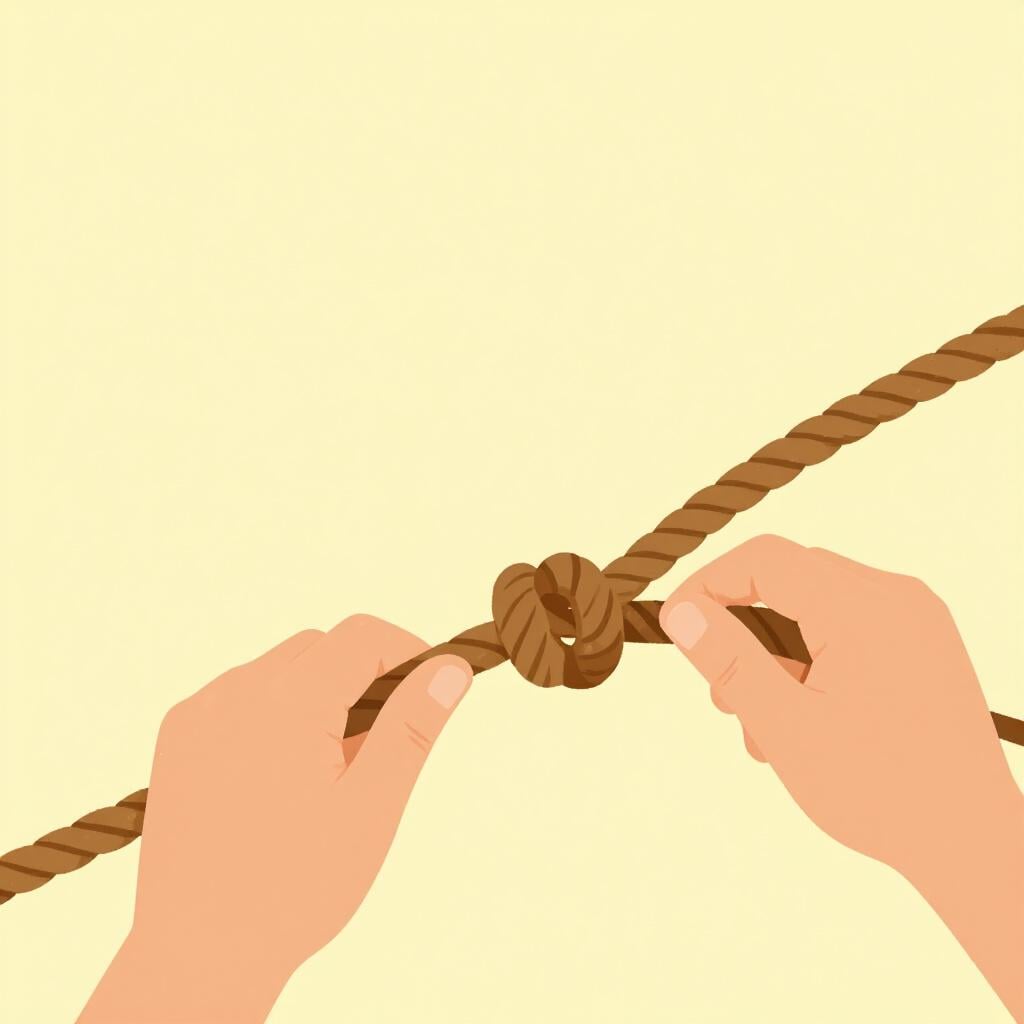
📝 In Action
El gobierno decidió relajar las medidas de seguridad.
B2The government decided to loosen the security measures.
No podemos relajar la disciplina en este momento.
C1We cannot slacken the discipline at this moment.
Subjunctive
Present Subjunctive
Imperfect Subjunctive
Indicative
Present
Preterite
Imperfect
Translate to Spanish
✏️ Quick Practice
Quick Quiz: relajar
Question 1 of 3
Which sentence means 'The music relaxes me'?
📚 More Resources
👥 Word Family▼
📚 Etymology▼
From the Latin word 'relaxare,' which meant to stretch out again or to loosen. It is built from 're-' (again) and 'laxus' (loose).
First recorded: 13th century
Cognates (Related words)
💡 Master Spanish
Take your Spanish to the next level. Read 200+ illustrated and narrated Spanish stories tailored to your level with the Inklingo app!
Frequently Asked Questions
What is the difference between 'relajar' and 'relajarse'?
'Relajar' is used when you relax someone or something else (like a massage relaxing a muscle). 'Relajarse' is used when you yourself are the one relaxing (I relax at home).
Is 'relajar' a regular verb?
Yes! It follows the standard pattern for all verbs ending in -ar.
Can 'relajar' mean 'to slack off'?
In some informal contexts, yes, 'relajarse' can imply that someone is getting too comfortable and not working hard enough, though 'relajar' itself usually refers to loosening rules or tension.