How to Say "to relax" in Spanish
The most common Spanish word for “to relax” is “relajarse” — use this reflexive verb when you want to express the general idea of becoming less tense, stressed, or anxious, often after a period of activity or work.

Use this reflexive verb when you want to express the general idea of becoming less tense, stressed, or anxious, often after a period of activity or work.
Learn more →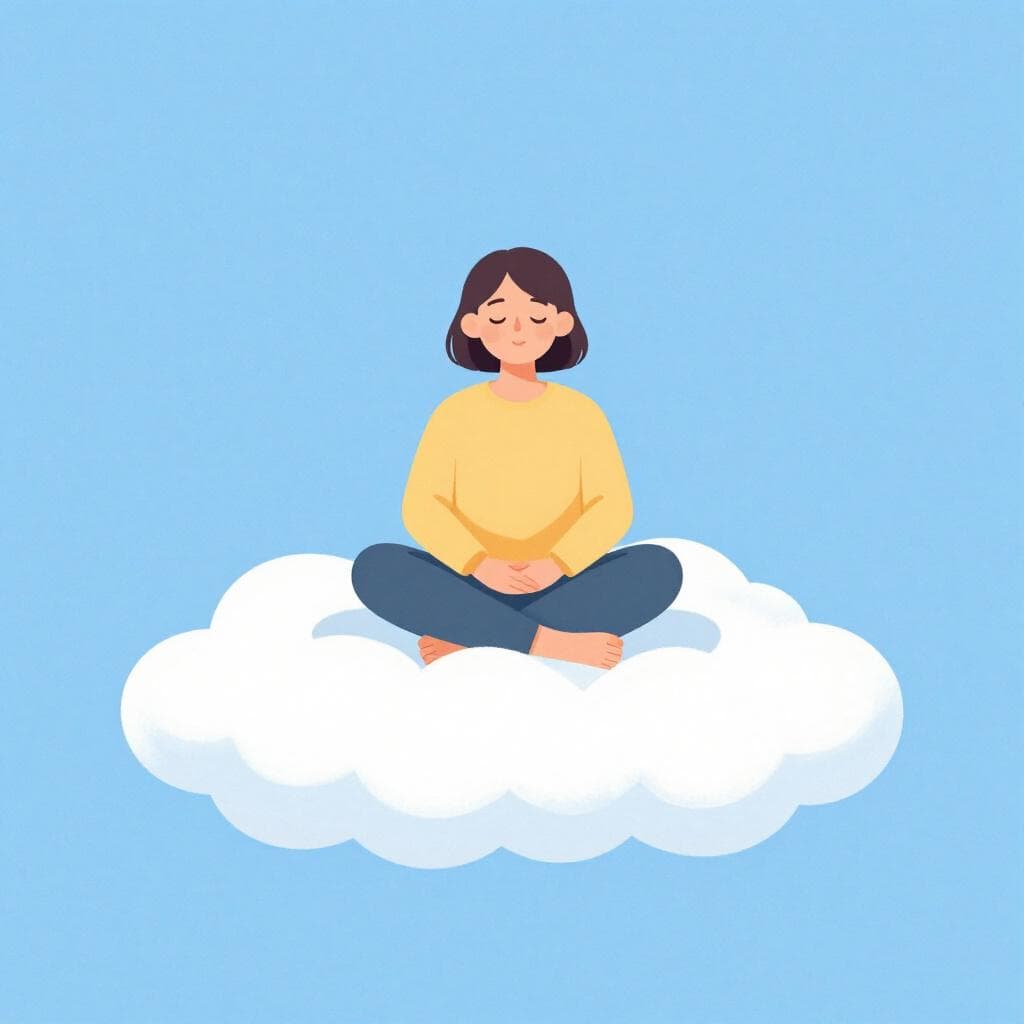
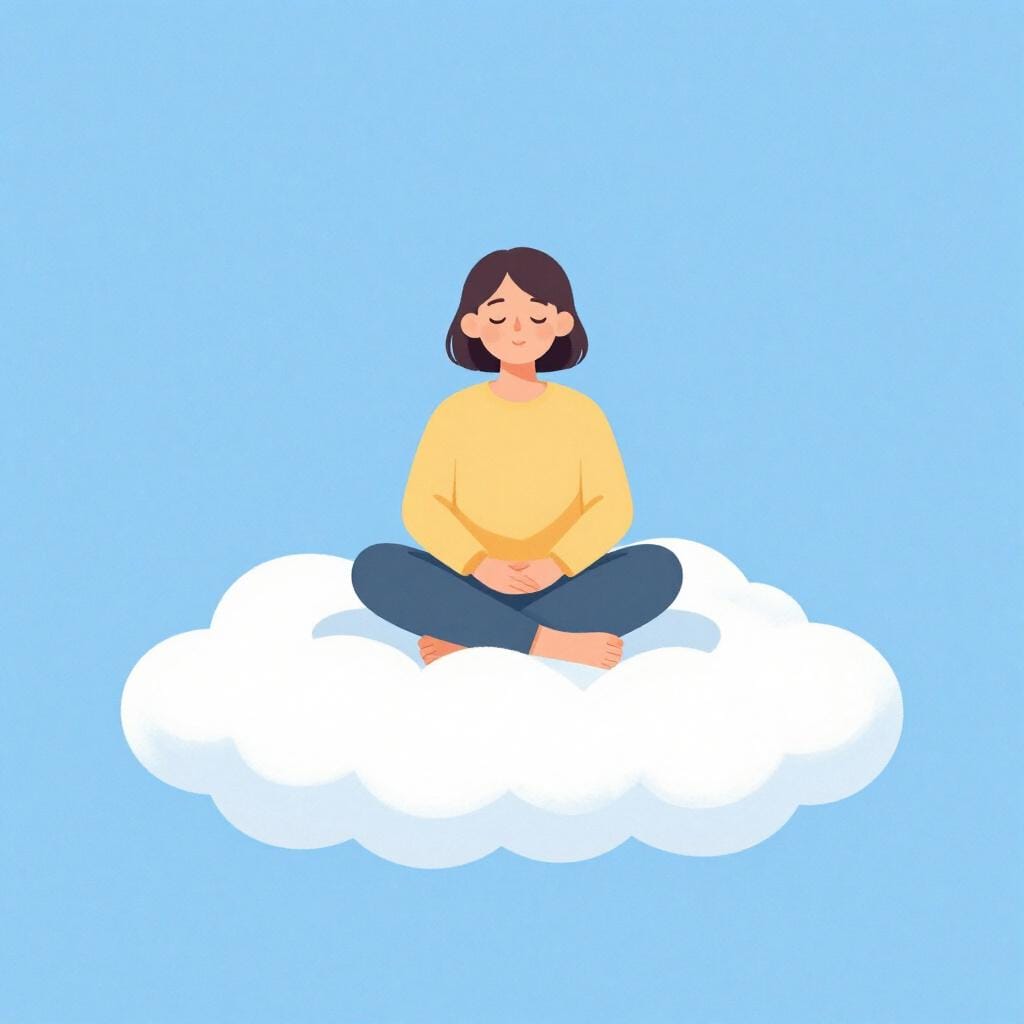
Use this transitive verb when you are actively making someone else or something calm and less tense, or when something external causes you to feel calm.
Learn more →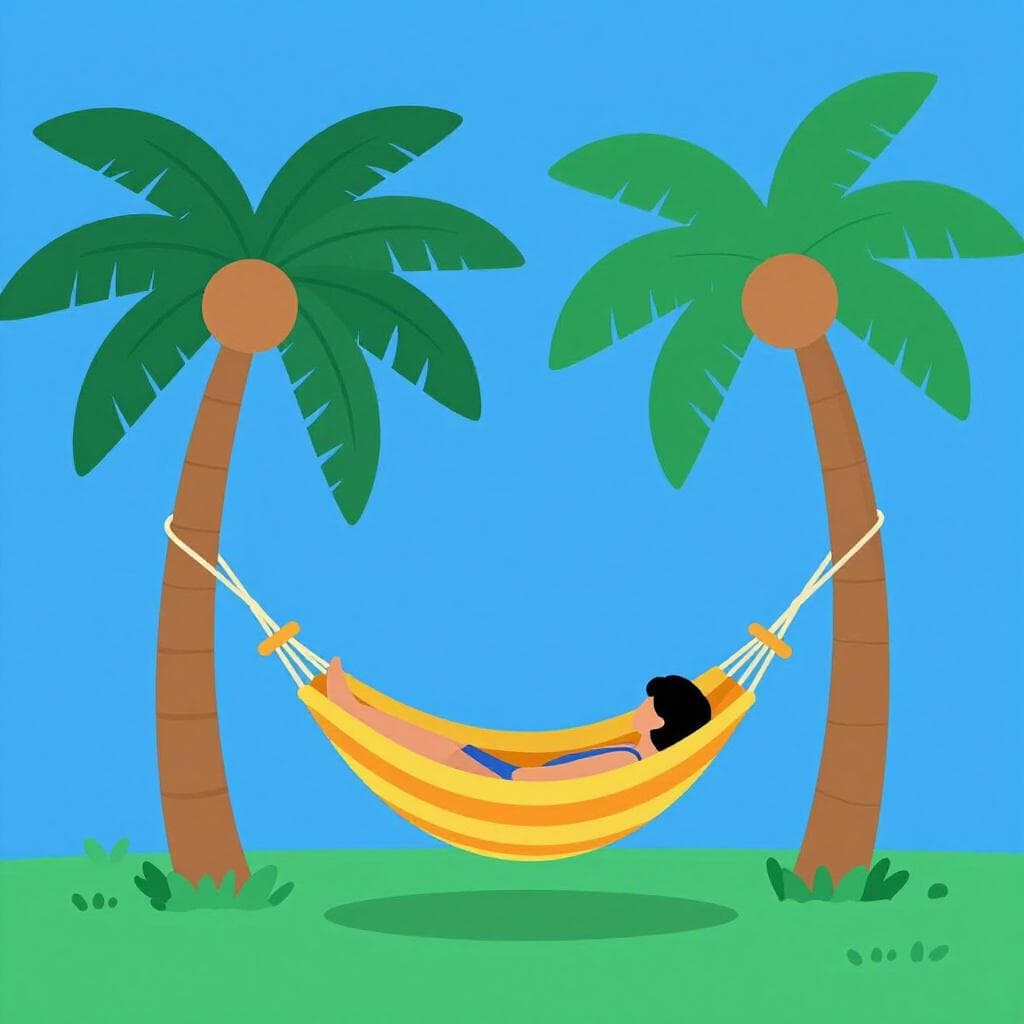
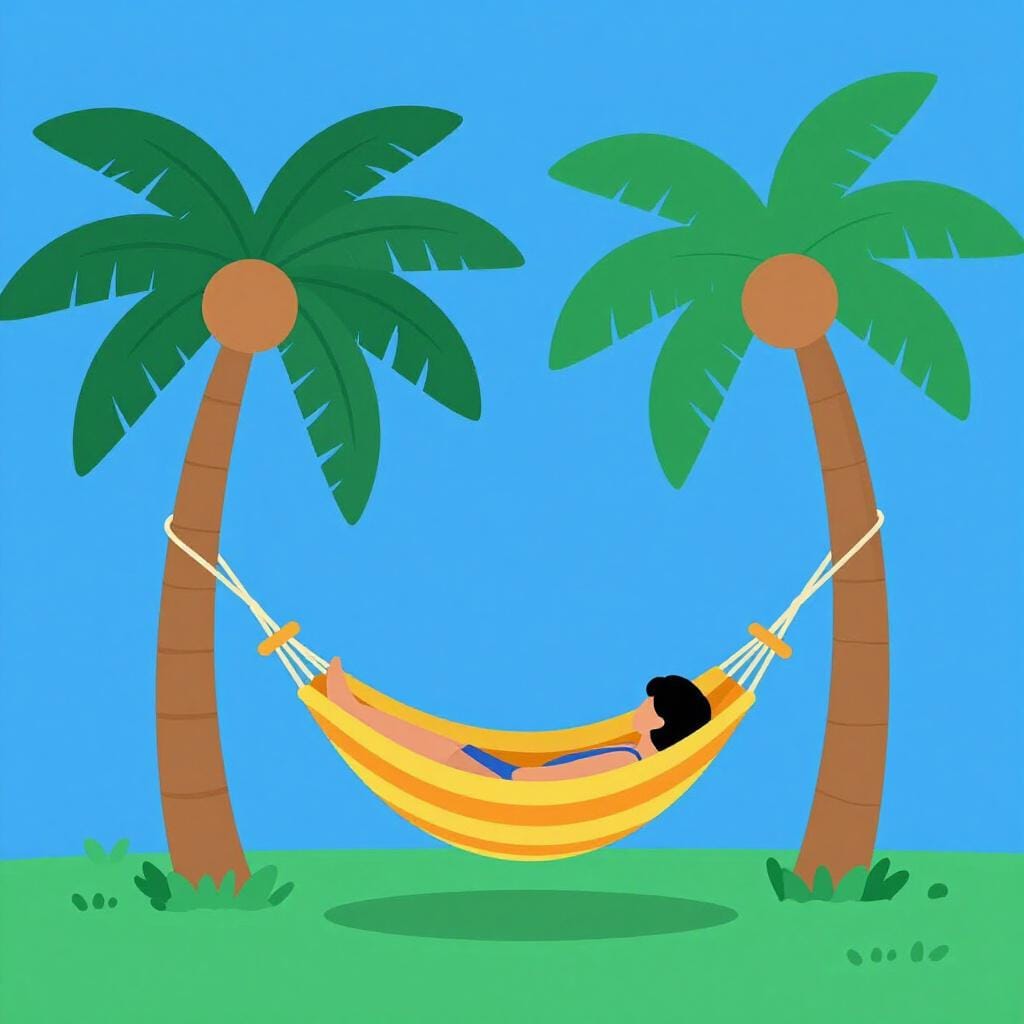
Use this verb when you are talking about distracting yourself from work or worries by doing something enjoyable or engaging in leisure activities to unwind.
Learn more →ray-lah-HAR-sayrelaˈxaɾse

Examples
Necesito relajarme después del trabajo.
I need to relax after work.
Me relajo escuchando música clásica.
I unwind by listening to classical music.
¡Relájate! Todo va a estar bien.
Relax! Everything is going to be fine.
The 'Self' Words
This word is 'reflexive,' which means the person doing the action is also the one receiving it. You must use words like me, te, or se before the verb (or attached to the end) to show who is relaxing.
Forgetting the 'se'
Mistake: “Yo relajo en el sofá.”
Correction: Yo me relajo en el sofá.
reh-lah-HARre.laˈxaɾ
Examples
Esta música suave me relaja mucho después del trabajo.
This soft music relaxes me a lot after work.
El profesor trata de relajar el ambiente antes del examen.
The teacher tries to relax the atmosphere before the exam.
Un buen masaje puede relajar los músculos tensos.
A good massage can relax tense muscles.
When you are the one relaxing
If you want to say 'I relax,' you usually add a small word: 'Me relajo.' Without that 'me,' it means you are relaxing something else (like your muscles or your friend).
Describing things that relax you
To say 'The music relaxes me,' put the 'me' before the verb: 'La música me relaja.'
Using 'relajar' alone
Mistake: “Yo relajo en el parque.”
Correction: Yo me relajo en el parque.
es-par-SEEResparˈθir
Examples
Después de un examen tan difícil, necesito esparcirme un poco.
After such a difficult exam, I need to unwind a bit.
La música es una excelente manera de esparcirse.
Music is an excellent way to distract oneself.
Salimos al campo para esparcirnos y respirar aire puro.
We went to the countryside to relax and breathe fresh air.
Using 'self' words
When 'esparcir' is used to mean relaxing, you must use the 'self' words (me, te, se, nos, os). It's like saying you are 'scattering' your own worries away.
Don't forget the 'me/te/se'
Mistake: “Necesito esparcir después del trabajo.”
Correction: Necesito esparcirme después del trabajo. (Without the 'me', you are scattering an object, not relaxing yourself!)
Reflexive vs. Transitive 'Relajar'
The most common mistake is confusing 'relajarse' (reflexive, to relax oneself) with 'relajar' (transitive, to relax someone/something else). Remember that 'relajarse' is for when *you* need to become less tense, while 'relajar' is for when *you* are causing someone or something else to become calm.
Related Translations
Learn Spanish with Inklingo
Interactive stories, personalized learning, and more.