relajarse
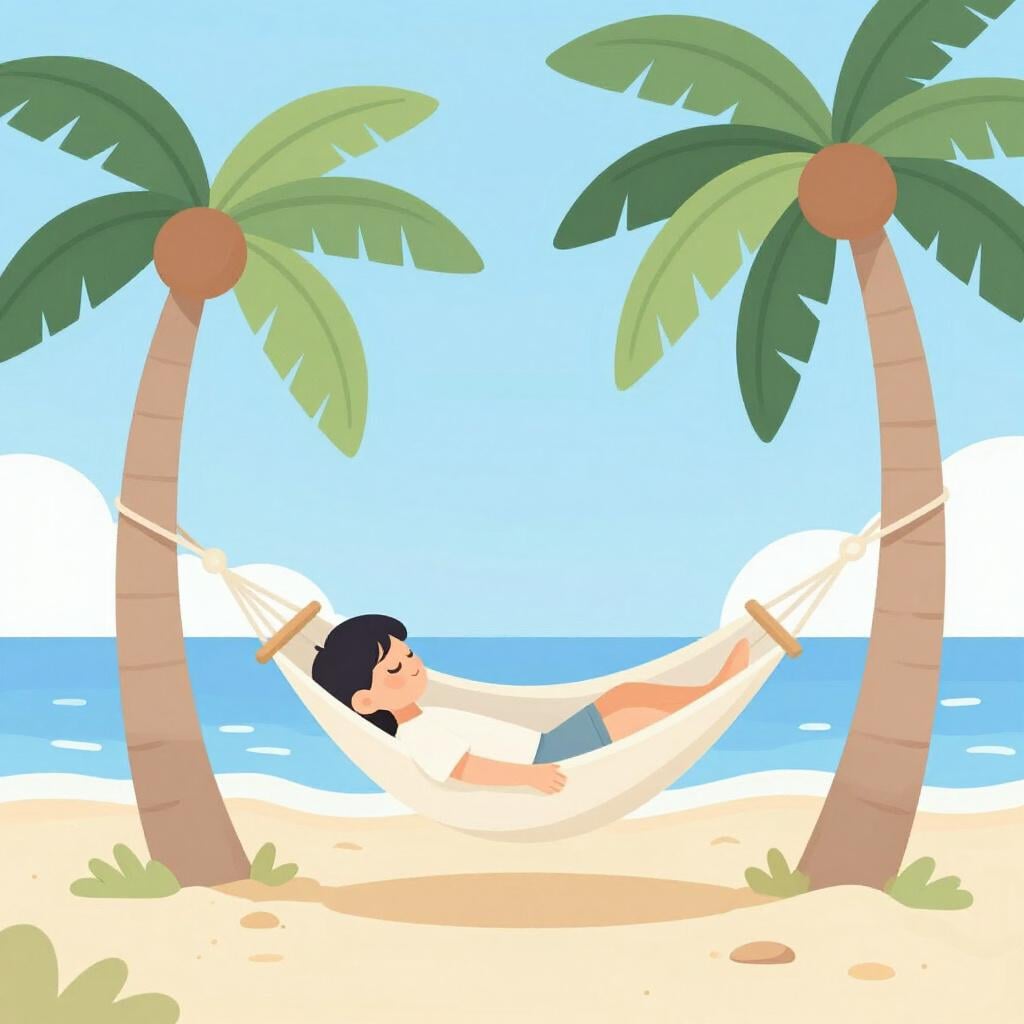
“relajarse” means “to relax” in Spanish (to become less tense or anxious).
to relax
Also: to unwind, to chill outGeneral
gerundrelajándose
past Participlerelajado
infinitiverelajarse
📝 In Action
Necesito relajarme después del trabajo.
A1I need to relax after work.
Me relajo escuchando música clásica.
A2I unwind by listening to classical music.
¡Relájate! Todo va a estar bien.
A1Relax! Everything is going to be fine.
Subjunctive
Imperfect Subjunctive
yome relajara
túte relajaras
él/ella/ustedse relajara
nosotrosnos relajáramos
vosotrosos relajarais
ellos/ellas/ustedesse relajaran
Present Subjunctive
yome relaje
túte relaxes
él/ella/ustedse relaje
nosotrosnos relajemos
vosotrosos relajéis
ellos/ellas/ustedesse relajen
Indicative
Preterite
yome relajé
túte relajaste
él/ella/ustedse relajó
nosotrosnos relajamos
vosotrosos relajasteis
ellos/ellas/ustedesse relajaron
Imperfect
yome relajaba
túte relajabas
él/ella/ustedse relajaba
nosotrosnos relajábamos
vosotrosos relajabais
ellos/ellas/ustedesse relajaban
Present
yome relajo
túte relajas
él/ella/ustedse relaja
nosotrosnos relajamos
vosotrosos relajáis
ellos/ellas/ustedesse relajan
Translate to Spanish
✏️ Quick Practice
Quick Quiz: relajarse
Question 1 of 1
How do you say 'I relax' in Spanish?
📚 More Resources
👥 Word Family▼
📚 Etymology▼
From the Latin 'relaxare', which means to loosen or stretch out again.
First recorded: 13th century
Cognates (Related words)
English: relaxFrench: relaxer
💡 Master Spanish
Take your Spanish to the next level. Read 200+ illustrated and narrated Spanish stories tailored to your level with the Inklingo app!
Frequently Asked Questions
What is the difference between 'relajar' and 'relajarse'?
'Relajar' is used when you make something or someone else relax (like a massage relaxing a muscle). 'Relajarse' is used when YOU are the one relaxing.