How to Say "to unwind" in Spanish
The most common Spanish word for “to unwind” is “relajarse” — use this when you need to de-stress and take it easy, especially after finishing work or a tiring activity.

Use this when you need to de-stress and take it easy, especially after finishing work or a tiring activity.
Learn more →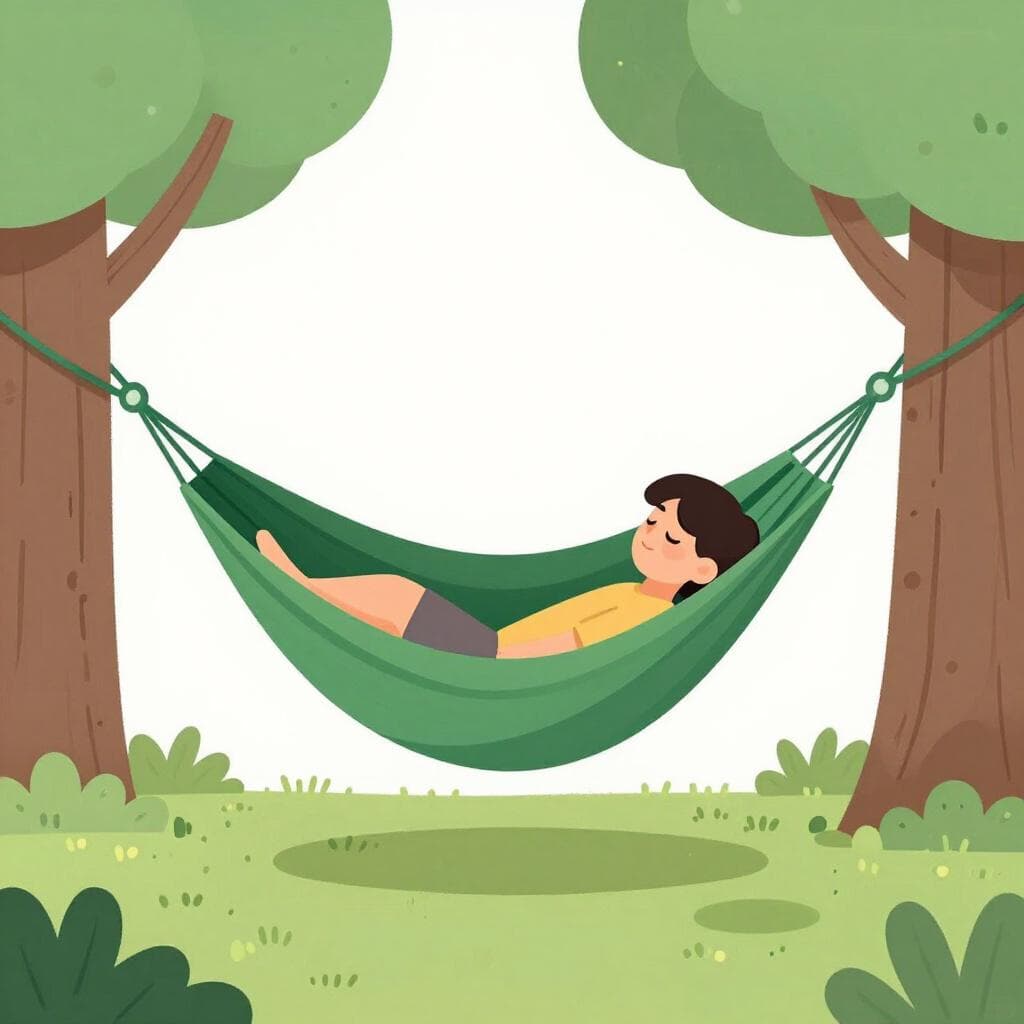
This translation is best when you need a complete break from stressful thoughts or responsibilities, often implying a change of scenery or activity.
Learn more →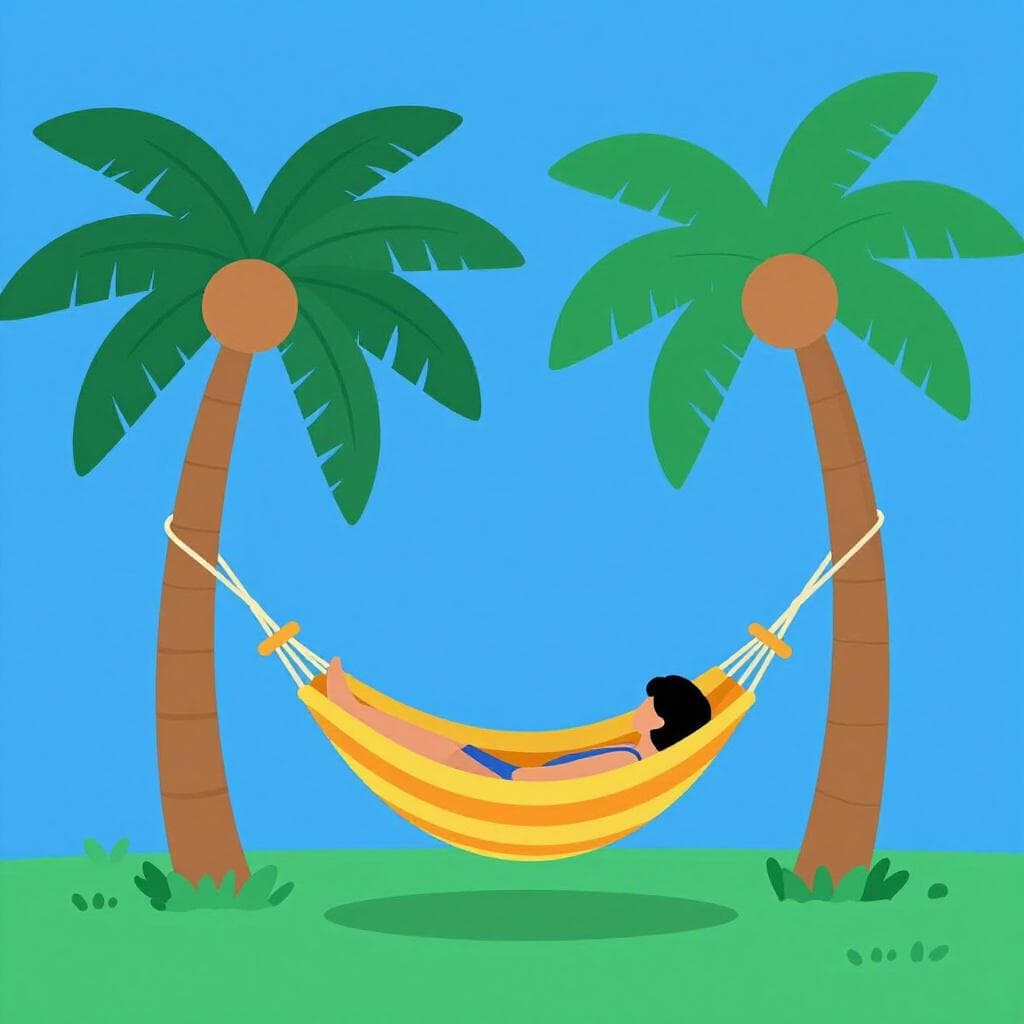
Choose this when you want to unwind by engaging in fun, recreational activities, often to distract yourself or have a good time.
Learn more →ray-lah-HAR-sayrelaˈxaɾse

Examples
Después de un largo día, me gusta relajarme en el sofá con un libro.
After a long day, I like to relax on the sofa with a book.
Necesito relajarme después del trabajo.
I need to relax after work.
Me relajo escuchando música clásica.
I unwind by listening to classical music.
¡Relájate! Todo va a estar bien.
Relax! Everything is going to be fine.
The 'Self' Words
This word is 'reflexive,' which means the person doing the action is also the one receiving it. You must use words like me, te, or se before the verb (or attached to the end) to show who is relaxing.
Forgetting the 'se'
Mistake: “Yo relajo en el sofá.”
Correction: Yo me relajo en el sofá.
des-koh-nek-TARdesko-nekˈtaɾ
Examples
Necesito unas vacaciones para desconectar de la rutina diaria.
I need a vacation to disconnect from the daily routine.
Necesito un fin de semana en la playa para desconectar.
I need a weekend at the beach to switch off.
Es difícil desconectar del trabajo cuando tienes el móvil cerca.
It's hard to unwind from work when you have your phone nearby.
Perdona, me quedé pensando en mis cosas y desconecté un momento.
Sorry, I was thinking about my own things and zoned out for a moment.
Using 'de' with mental disconnection
When you want to say what you are switching off FROM, always use the word 'de'. For example: 'Desconectar DEL trabajo'.
Reflexive use
Sometimes people add 'se' to the end (desconectarse) to emphasize that THEY are the ones needing the break, but 'desconectar' on its own is more common in Spain.
Direct translation of 'Relax'
Mistake: “Necesito relaxar.”
Correction: Necesito desconectar.
es-par-SEEResparˈθir
Examples
Vamos a salir a bailar para esparcirnos un poco después de la semana de estudio.
We're going out dancing to unwind a bit after the study week.
Después de un examen tan difícil, necesito esparcirme un poco.
After such a difficult exam, I need to unwind a bit.
La música es una excelente manera de esparcirse.
Music is an excellent way to distract oneself.
Salimos al campo para esparcirnos y respirar aire puro.
We went to the countryside to relax and breathe fresh air.
Using 'self' words
When 'esparcir' is used to mean relaxing, you must use the 'self' words (me, te, se, nos, os). It's like saying you are 'scattering' your own worries away.
Don't forget the 'me/te/se'
Mistake: “Necesito esparcir después del trabajo.”
Correction: Necesito esparcirme después del trabajo. (Without the 'me', you are scattering an object, not relaxing yourself!)
Relax vs. Disconnect
Learners often confuse 'relajarse' and 'desconectar'. Remember that 'relajarse' is about a general state of calm, while 'desconectar' implies a more active effort to break away from stress or routine.
Related Translations
Learn Spanish with Inklingo
Interactive stories, personalized learning, and more.