déjala
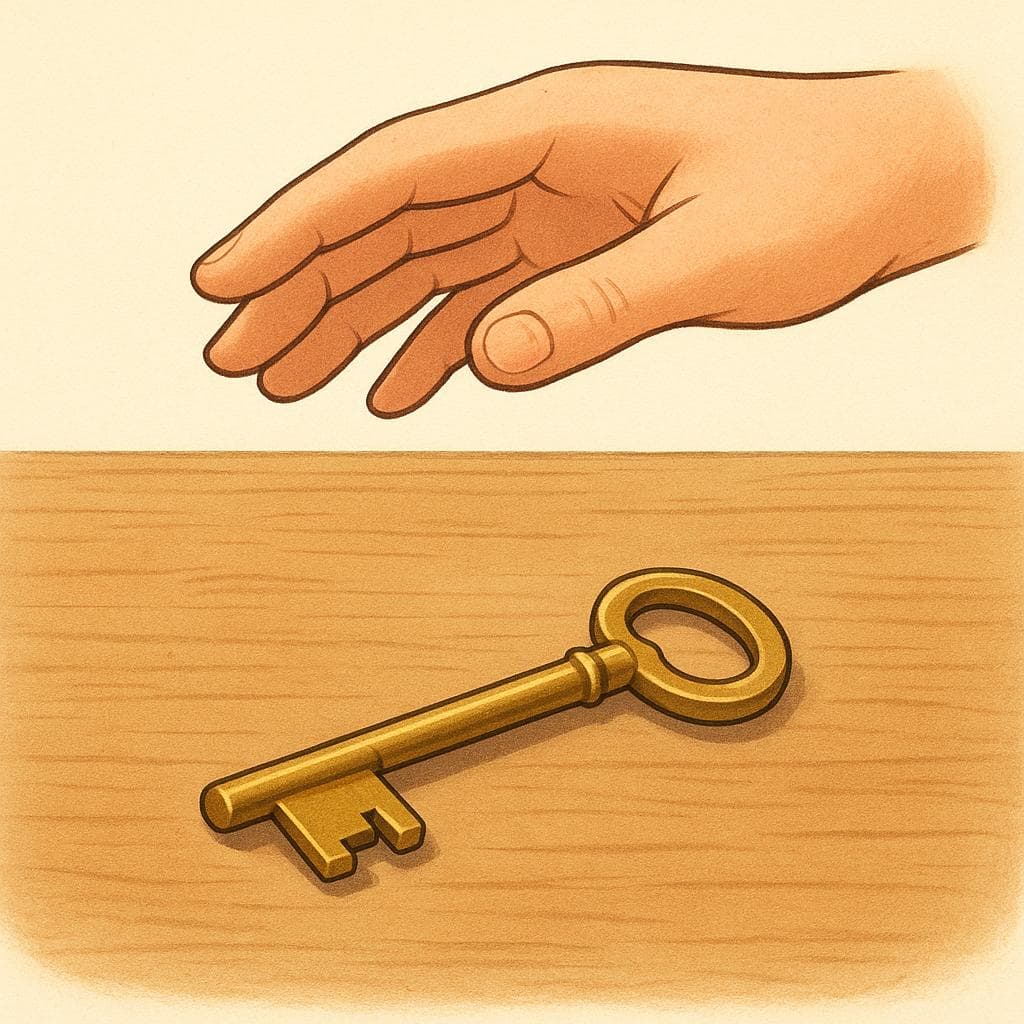
“déjala” means “Let her go” in Spanish. It has 2 different meanings depending on context:


📝 In Action
Ella ya se fue, déjala.
A2She already left, let her go.
¡Déjala! No es tu problema.
A2Leave her alone! It's not your problem.
Esa discusión es vieja, déjala ya.
B1That discussion is old, just drop it already.
Word Connections
📝 In Action
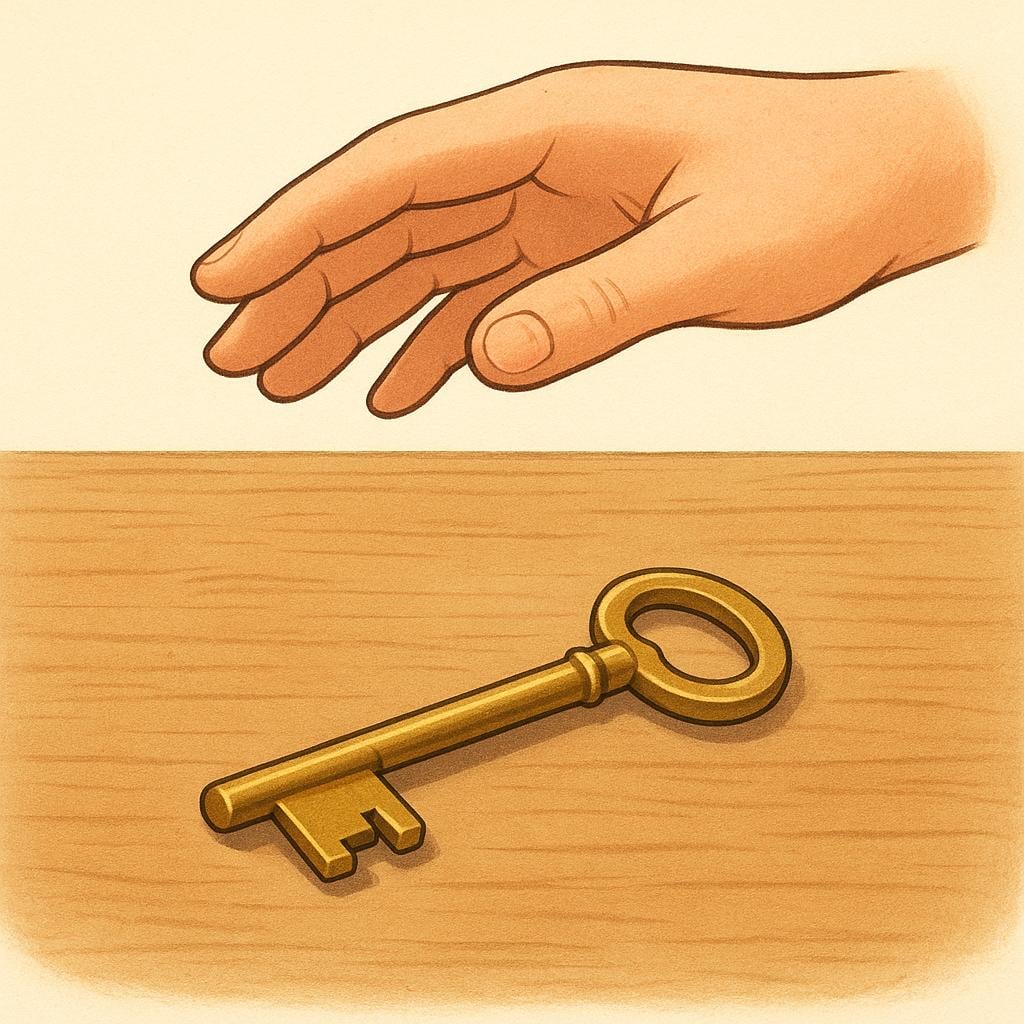
La mochila está pesada. Déjala aquí.
A2The backpack is heavy. Leave it here.
Ya no la quieres, déjala en el armario.
B1You don't want it anymore (e.g., the jacket), leave it in the closet.
Word Connections
Indicative
Present
Imperfect
Preterite
Subjunctive
Present Subjunctive
Imperfect Subjunctive
✏️ Quick Practice
Quick Quiz: déjala
Question 1 of 1
If you are telling a friend to stop arguing with his sister, which meaning of 'déjala' are you using?
📚 More Resources
👥 Word Family
🎵 Rhymes
📚 Etymology
Formed from the verb 'dejar,' which comes from the Latin 'laxāre' (to loosen, to set free). The 'la' is the feminine direct object pronoun from the Latin 'illam' (that one). The two words merged into a single command.
First recorded: Medieval Spanish (as 'dexar') and pronoun combination is ancient.
Cognates (Related words)
💡 Master Spanish
Take your Spanish to the next level. Read 200+ illustrated and narrated Spanish stories tailored to your level with the Inklingo app!
Frequently Asked Questions
Why does 'déjala' have an accent mark?
The accent mark on the 'é' is required because when you attach the pronoun 'la' to the command 'deja,' the word gains an extra syllable. If you didn't include the accent, the stress would incorrectly shift to the second-to-last syllable (*de-JA-la*). The accent keeps the stress on the original command syllable (*DÉ-ja-la*).
How do I say 'Let us leave her'?
That would be the *nosotros* command form: 'Dejémosla.' Remember, the accent mark shifts to the new stressed syllable (*DE-jé-mos-la*).