dolió
“dolió” means “it hurt” in Spanish (physical or emotional pain that happened in the past).
it hurt
Also: it pained / it saddened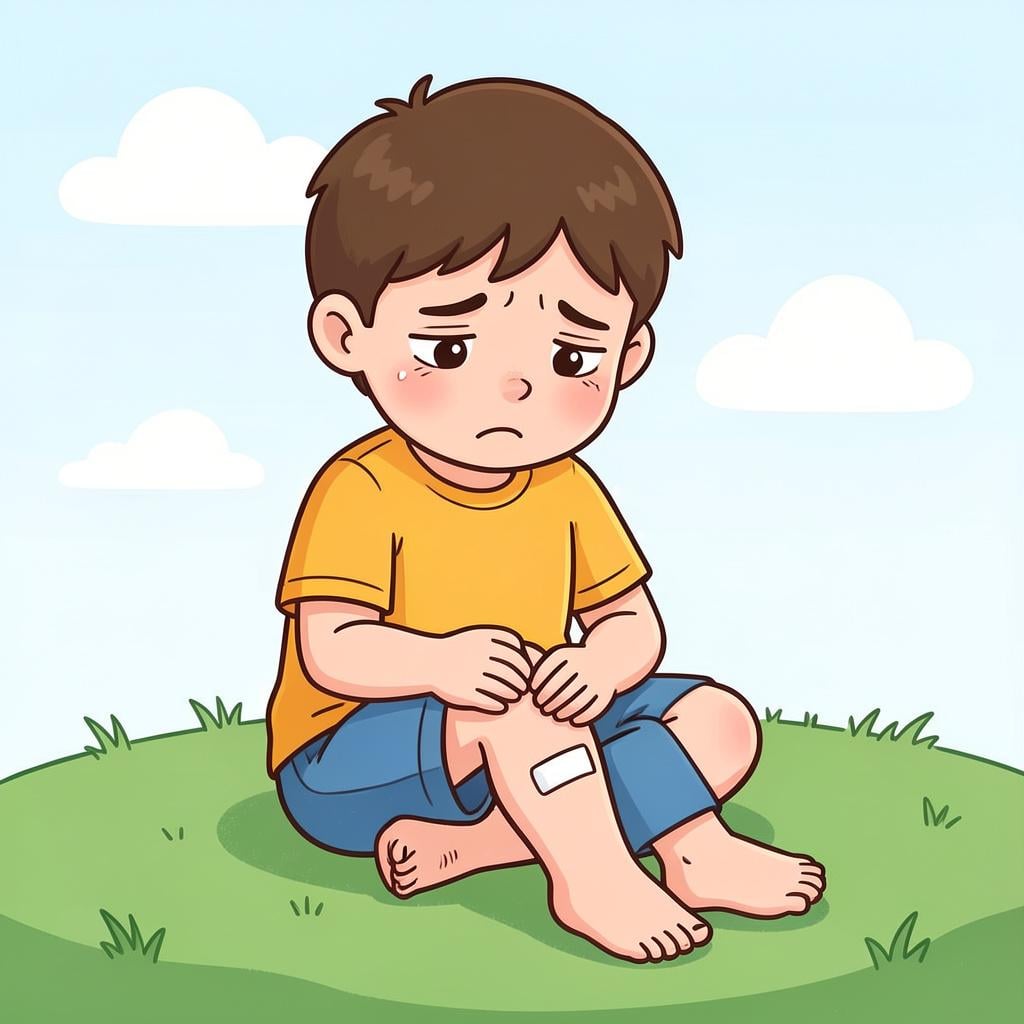
📝 In Action
Me dolió mucho la espalda ayer.
A2My back hurt a lot yesterday.
Le dolió perder el partido.
B1It hurt him to lose the game.
¿Te dolió la inyección?
A2Did the injection hurt (you)?
Subjunctive
Imperfect Subjunctive
Present Subjunctive
Indicative
Preterite
Imperfect
Present
Translate to Spanish
Words that translate to "dolió" in Spanish:
it hurt→✏️ Quick Practice
Quick Quiz: dolió
Question 1 of 1
How would you say 'My foot hurt'?
📚 More Resources
👥 Word Family▼
📚 Etymology▼
From the Latin word 'dolere', which means to suffer pain or to grieve.
First recorded: 12th century
Cognates (Related words)
💡 Master Spanish
Take your Spanish to the next level. Read 200+ illustrated and narrated Spanish stories tailored to your level with the Inklingo app!
Frequently Asked Questions
Why does 'dolió' look different from 'duele'?
This verb changes its 'o' to 'ue' in the present tense (duele), but it stays as an 'o' in the past tense (dolió).
Can I use 'dolió' for a broken heart?
Yes! It is very common to use 'dolió' for emotional heartbreak or disappointment, just like in English.