drenaje
“drenaje” means “drainage system” in Spanish. It has 2 different meanings depending on context:
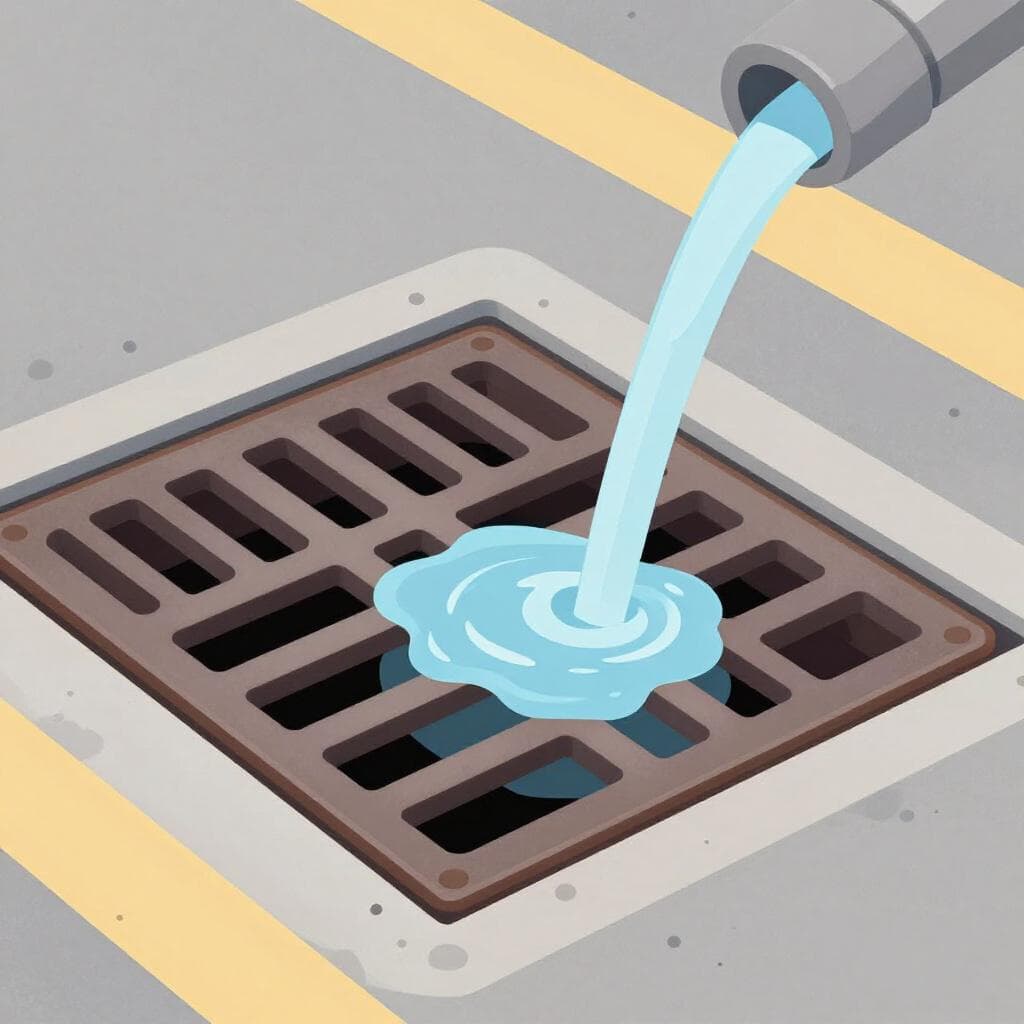

drainage system
Also: sewage, runoff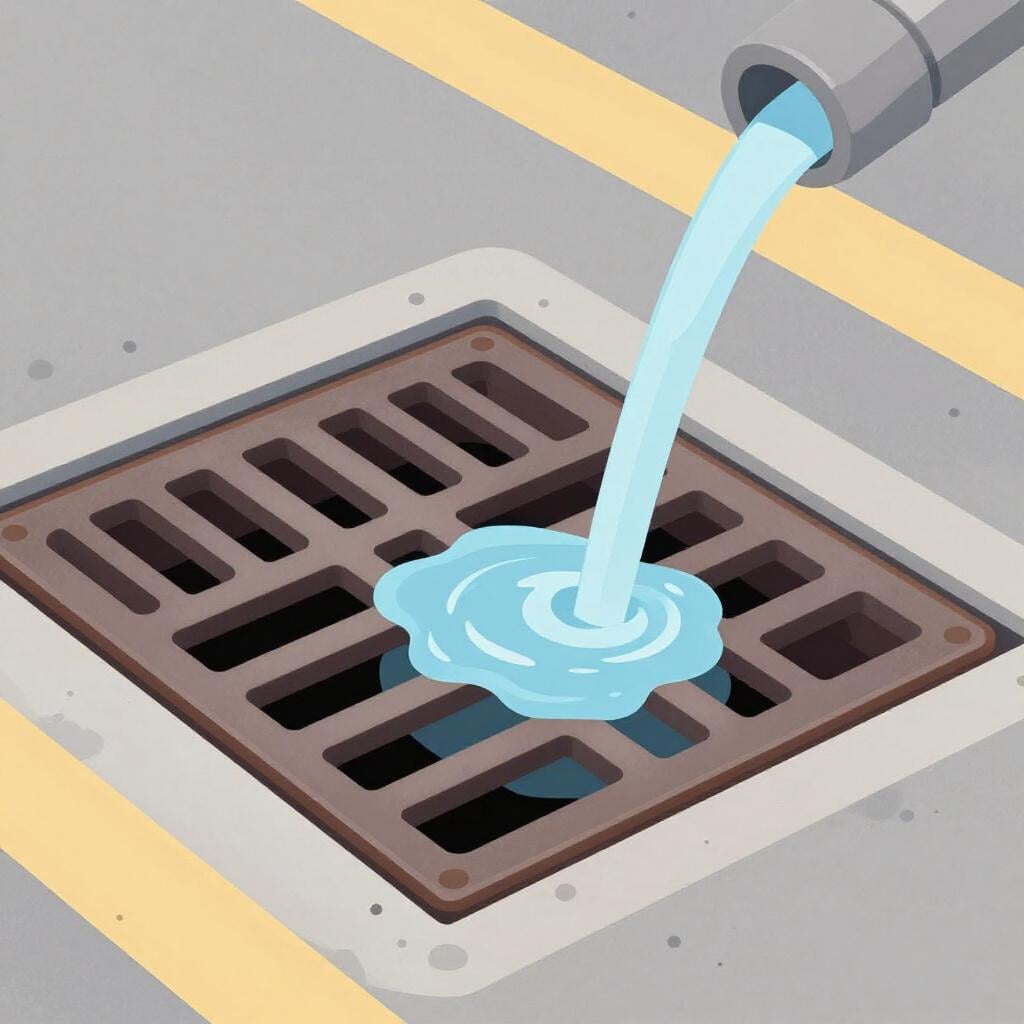
📝 In Action
El sistema de drenaje de la ciudad colapsó por la tormenta.
B1The city's drainage system collapsed because of the storm.
Están limpiando el drenaje para evitar inundaciones.
A2They are cleaning the drains to prevent flooding.
El drenaje de este campo de fútbol es excelente.
B2The drainage of this soccer field is excellent.
drainage
Also: drain
📝 In Action
El médico le puso un drenaje después de la operación.
B1The doctor put in a drain after the operation.
El drenaje linfático es bueno para reducir la hinchazón.
B2Lymphatic drainage is good for reducing swelling.
La herida necesita un drenaje constante.
C1The wound needs constant drainage.
Translate to Spanish
✏️ Quick Practice
Quick Quiz: drenaje
Question 1 of 3
Which word would you use for the pipe system that takes rainwater away from a street?
📚 More Resources
👥 Word Family▼
📚 Etymology▼
Borrowed from the French word 'drainage', which was actually adapted from the English word 'drain'.
First recorded: 19th century
Cognates (Related words)
💡 Master Spanish
Take your Spanish to the next level. Read 200+ illustrated and narrated Spanish stories tailored to your level with the Inklingo app!
Frequently Asked Questions
What's the difference between 'drenaje' and 'desagüe'?
Think of 'desagüe' as the specific hole where water leaves (like in your sink) and 'drenaje' as the entire system of pipes and the process of moving that water away.
Can I use 'drenaje' for emotions?
Not usually. While in English you might say an experience was 'draining,' in Spanish you would use the verb 'agotar' (to exhaust) or 'desgastar' (to wear down).
Is 'drenaje' used in all Spanish-speaking countries?
Yes, it is a standard technical and common term used throughout Spain and Latin America.