duramente
“duramente” means “hard” in Spanish (referring to effort or physical impact).
hard, harshly
Also: severely, intensely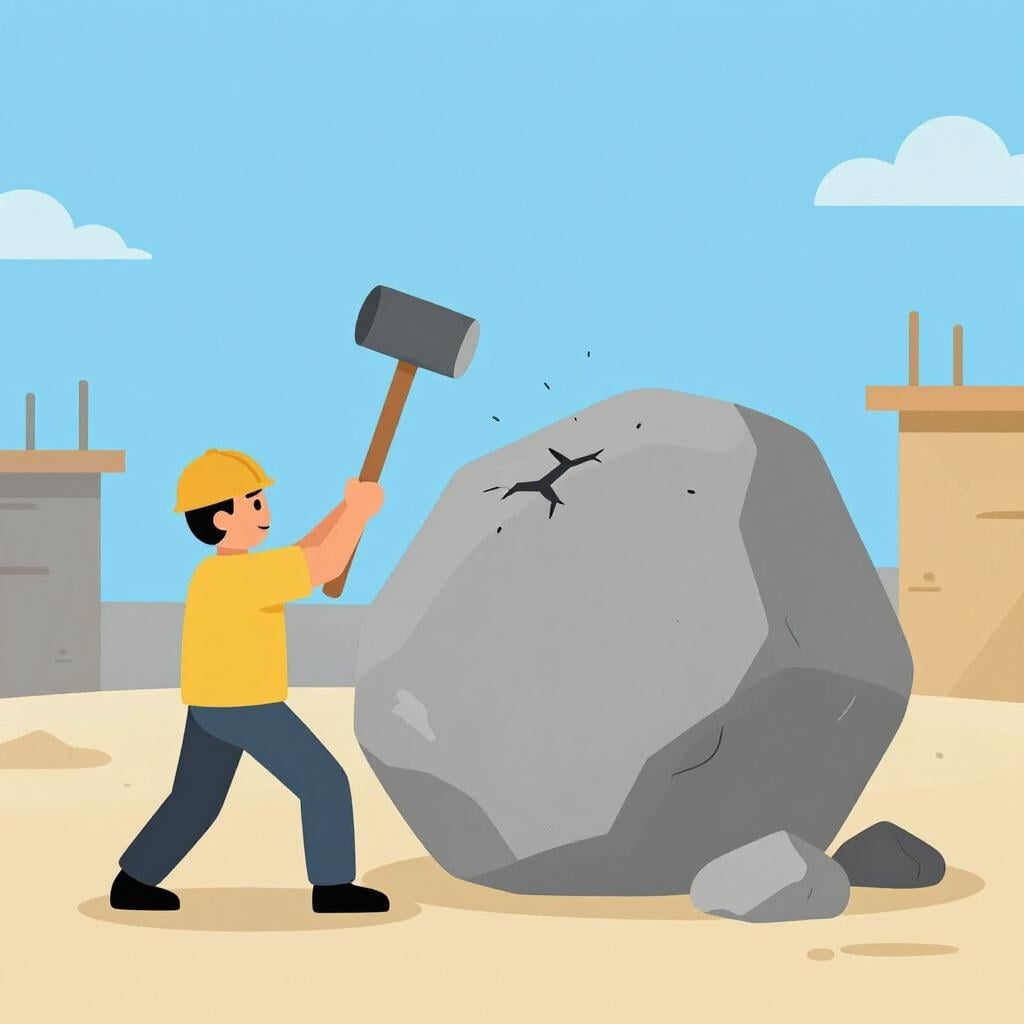
📝 In Action
Ella trabajó duramente toda la semana para terminar el proyecto.
A2She worked hard all week to finish the project.
El profesor criticó duramente mi ensayo frente a la clase.
B1The teacher harshly criticized my essay in front of the class.
La tormenta golpeó duramente la costa norte del país.
B2The storm hit the northern coast of the country hard.
Translate to Spanish
✏️ Quick Practice
Quick Quiz: duramente
Question 1 of 3
Which sentence describes someone being judged in a mean or strict way?
📚 More Resources
👥 Word Family▼
🎵 Rhymes▼
📚 Etymology▼
From the Spanish adjective 'duro' (hard), which comes from the Latin 'durus', combined with the suffix '-mente' (meaning 'in a manner of').
First recorded: 13th century
Cognates (Related words)
💡 Master Spanish
Take your Spanish to the next level. Read 200+ illustrated and narrated Spanish stories tailored to your level with the Inklingo app!
Frequently Asked Questions
Is there a difference between 'duro' and 'duramente'?
When describing an action (like working), 'duro' is more casual and 'duramente' is more formal. However, 'duro' can also be an adjective (the bread is hard), while 'duramente' is only used for actions.
Can I use 'duramente' for a physical feeling?
Not really. You wouldn't say a bed feels 'duramente.' You use it for the intensity of an action, like hitting something or working on a task.
Does it mean 'hardly'?
No! This is a common mistake. In English, 'hardly' means 'barely.' In Spanish, 'duramente' means the opposite: with a lot of force or effort.