How to Say "severely" in Spanish
The most common Spanish word for “severely” is “gravemente” — use 'gravemente' when describing something that has been deeply affected or harmed, especially in the context of injuries or serious consequences.



gravemente
grah-beh-MEN-tehɡɾaβeˈmente

Examples
El árbol fue gravemente dañado por la tormenta.
The tree was severely damaged by the storm.
El pasajero resultó gravemente herido en el accidente.
The passenger was seriously injured in the accident.
La sequía ha afectado gravemente a las cosechas este año.
The drought has severely affected the crops this year.
El director habló gravemente sobre el futuro de la empresa.
The director spoke gravely about the company's future.
The '-mente' Ending
This word is formed by taking the feminine form of the adjective 'grave' and adding '-mente.' It works exactly like adding '-ly' to an English adjective to describe how an action happens.
Where to Put It
In Spanish, adverbs like 'gravemente' usually come right after the verb they describe (e.g., 'sufrió gravemente') to keep the meaning clear.
Grave vs. Gravemente
Mistake: “Está gravemente.”
Correction: Está grave.
seriamente
se-ri-a-MEN-teseˈɾjamen̪te

Examples
El corredor estaba seriamente considerado para ganar la carrera.
The runner was seriously considered to win the race.
El accidente lo dejó seriamente herido.
The accident left him severely injured.
La economía está seriamente afectada por la crisis.
The economy is badly (or severely) affected by the crisis.
Su propuesta seriamente compromete nuestros recursos.
His proposal seriously compromises our resources.
Intensity Adverb
In this context, 'seriamente' acts like an intensifier, similar to 'very' or 'greatly,' but usually reserved for negative or weighty situations (e.g., injuries, financial problems, concerns).
Overuse in positive contexts
Mistake: “Estoy seriamente feliz.”
Correction: Estoy muy feliz. ('Seriamente' sounds awkward or dramatic when paired with positive feelings; use 'muy' or 'muchísimo' instead.)
duramente
doo-RAH-mehn-tehdu.ɾaˈmen.te
Examples
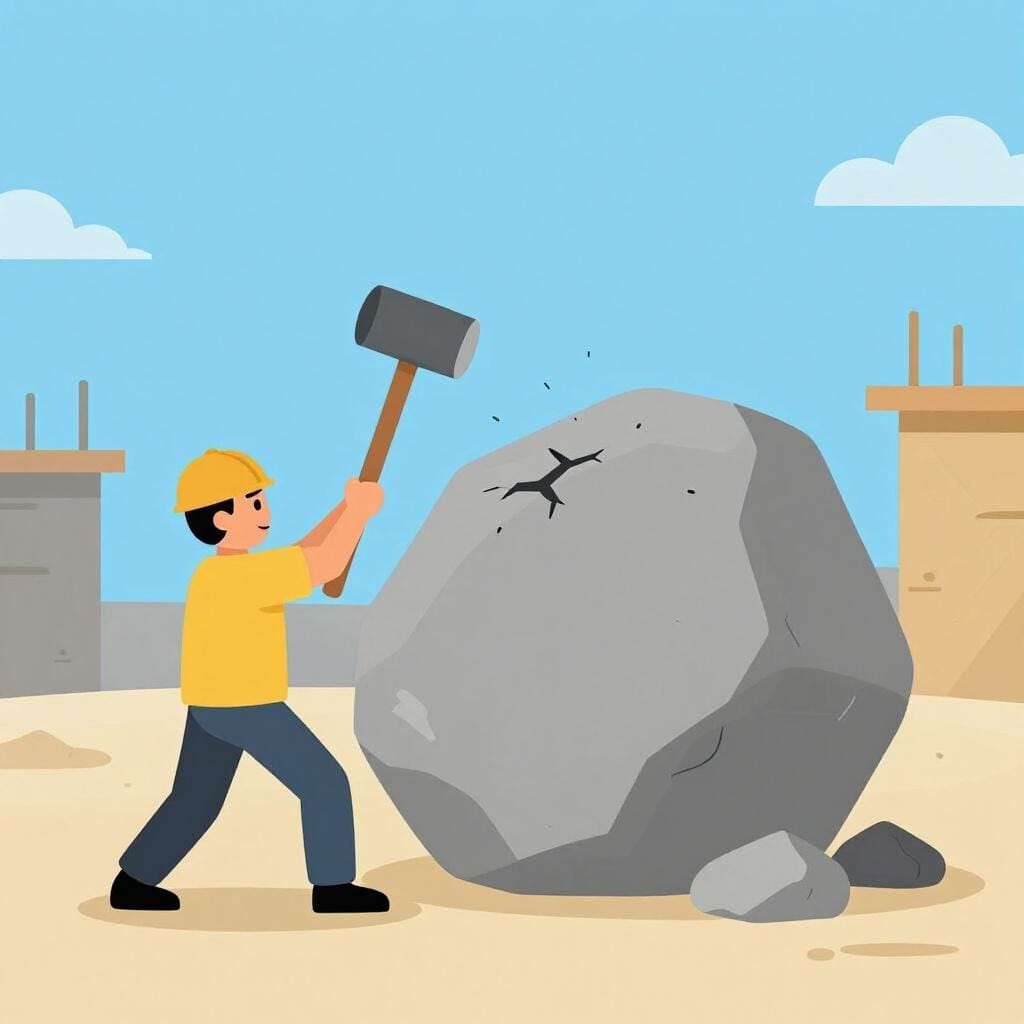
El gobierno criticó duramente la propuesta de la oposición.
The government severely criticized the opposition's proposal.
Ella trabajó duramente toda la semana para terminar el proyecto.
She worked hard all week to finish the project.
El profesor criticó duramente mi ensayo frente a la clase.
The teacher harshly criticized my essay in front of the class.
La tormenta golpeó duramente la costa norte del país.
The storm hit the northern coast of the country hard.
Adverbs Stay the Same
In Spanish, words ending in '-mente' are always the same. You don't need to change them to match masculine or feminine nouns because they describe the action (the verb), not the person.
The '-ly' Connection
The ending '-mente' is the Spanish equivalent of the English '-ly'. You can turn many adjectives into adverbs by taking the feminine form (dura) and adding '-mente'.
Using 'duro' vs. 'duramente'
Mistake: “Él trabaja duramente.”
Correction: Both 'Él trabaja duro' and 'Él trabaja duramente' are correct, but 'duro' is more common in casual conversation, while 'duramente' sounds a bit more formal or dramatic.
Gravemente vs. Seriamente
Related Translations
Learn Spanish with Inklingo
Interactive stories, personalized learning, and more.