echaré
“echaré” means “I will put” in Spanish. It has 3 different meanings depending on context:


I will put, I will pour, I will addAlso: I will include

📝 In Action
Para el pastel, echaré la leche y luego la harina.
A1For the cake, I will pour the milk and then the flour.
Si hace frío, echaré más leña al fuego.
A2If it's cold, I will put more firewood on the fire.
Word Connections
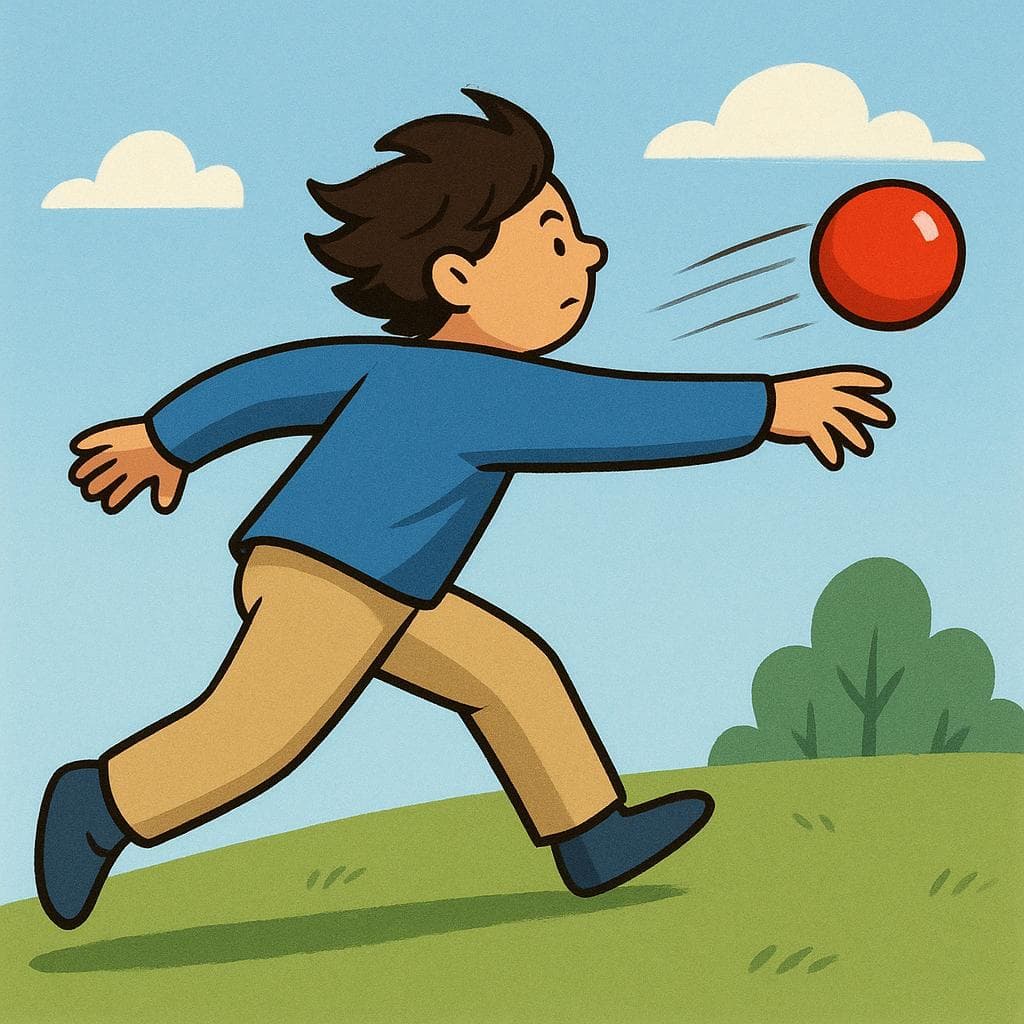
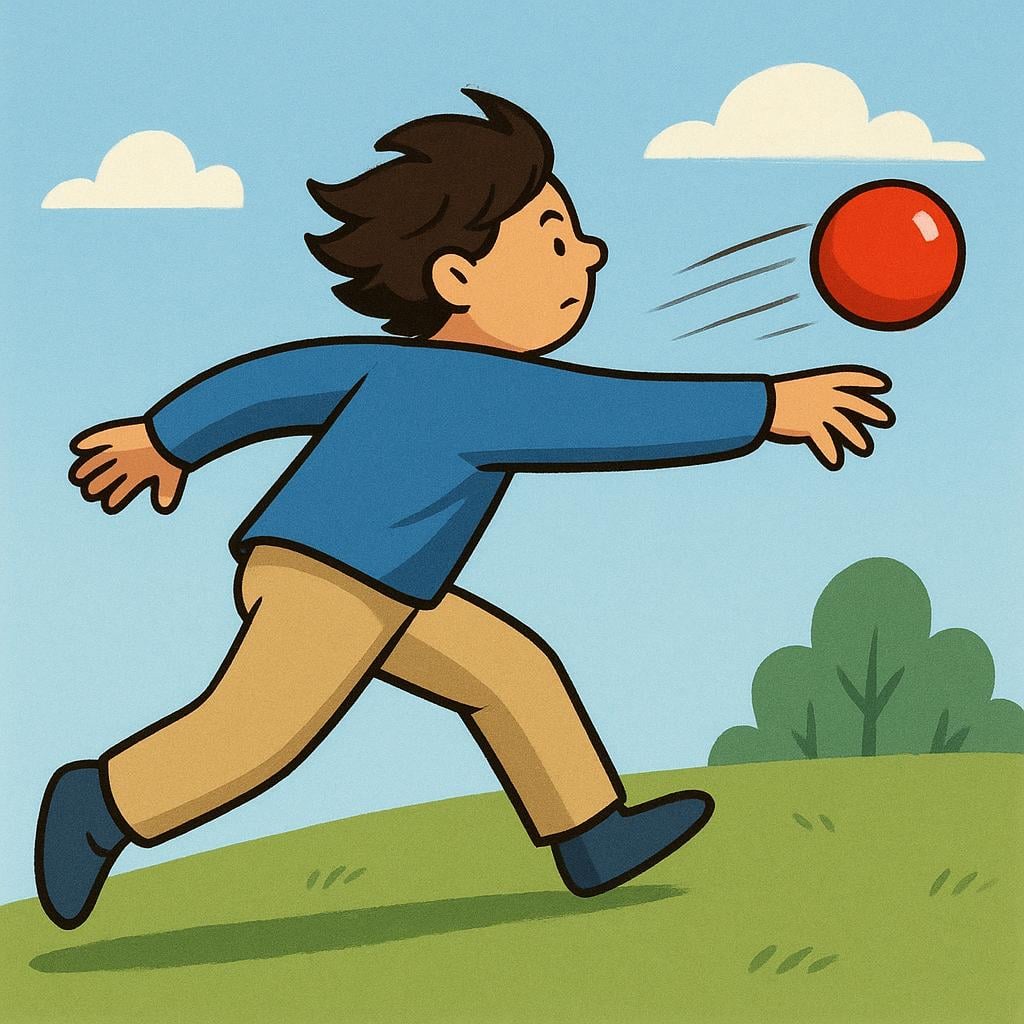
I will throw, I will toss, I will cast
📝 In Action
Cuando lleguemos a la playa, echaré la pelota al mar.
A2When we arrive at the beach, I will throw the ball into the sea.
Echaré la caña de pescar tan pronto como el sol se oculte.
B1I will cast the fishing rod as soon as the sun sets.
Word Connections
I will dismiss, I will kick outAlso: I will start

📝 In Action
Si sigue llegando tarde, echaré a ese empleado mañana.
B2If he keeps arriving late, I will dismiss that employee tomorrow.
Al ver la policía, echaré a correr.
B1Upon seeing the police, I will start running. (Idiomatic use: echar a + infinitive)
Word Connections
Indicative
Present
Imperfect
Preterite
Subjunctive
Present Subjunctive
Imperfect Subjunctive
✏️ Quick Practice
Quick Quiz: echaré
Question 1 of 2
Which English phrase best captures the meaning of 'Echaré a mi perro del sofá'?
📚 More Resources
👥 Word Family
📚 Etymology
From the Vulgar Latin verb *iactāre*, meaning 'to throw' or 'to hurl,' which is the root of the core meaning of propelling something. Over time, its meaning broadened significantly to include placing and adding.
First recorded: Around the 10th century in early Spanish texts.
Cognates (Related words)
💡 Master Spanish
Take your Spanish to the next level. Read 200+ illustrated and narrated Spanish stories tailored to your level with the Inklingo app!
Frequently Asked Questions
Why does 'echar' have so many meanings, like 'to throw' and 'to miss'?
'Echar' is an ancient verb whose core meaning is 'to cast' or 'to put out.' This core idea branched out: you 'cast' a ball (throw), you 'put out' an employee (dismiss), and the phrase 'echar de menos' literally meant 'to cast/put less' but evolved idiomatically to mean 'to feel the lack of' or 'to miss.'
Is 'echaré' an irregular verb?
No, 'echar' is a regular -ar verb. Its future form 'echaré' follows the standard pattern of adding the 'é' ending to the infinitive form, making it easy to remember.