encontrada
“encontrada” means “found” in Spanish. It has 2 different meanings depending on context:
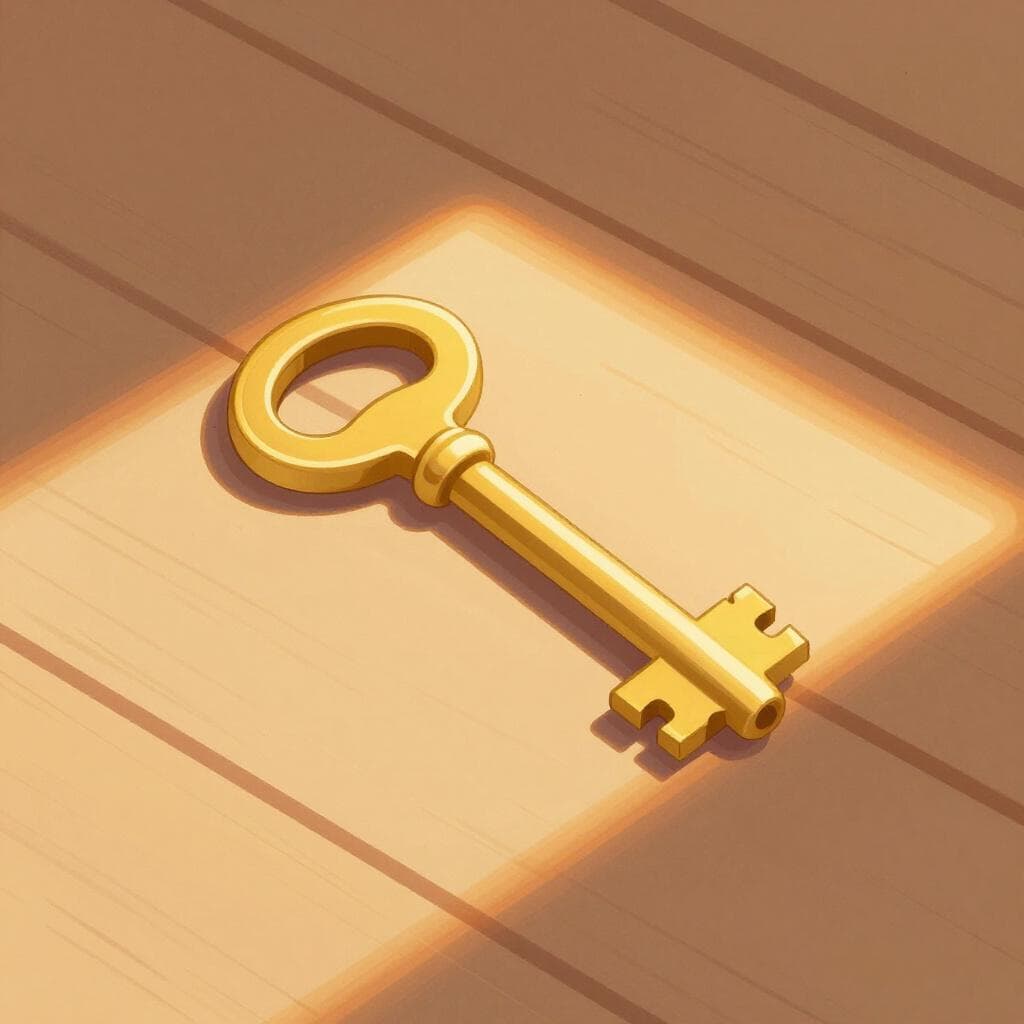

found
Also: located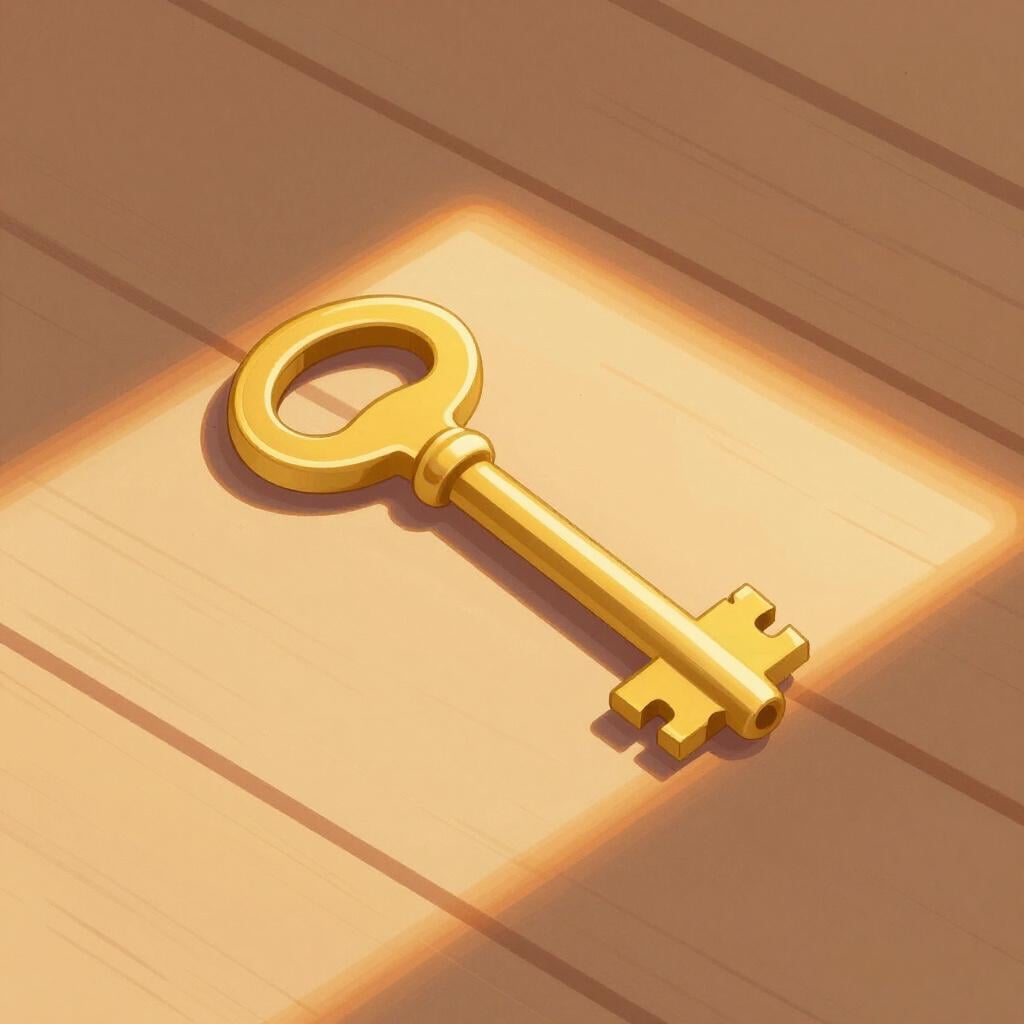
📝 In Action
La llave encontrada estaba debajo del sofá.
A1The found key was under the sofa.
Tengo una billetera encontrada en la calle.
A2I have a wallet [that was] found in the street.
conflicting
Also: mixed
📝 In Action
Tengo emociones encontradas sobre mudarme a otra ciudad.
B1I have mixed emotions about moving to another city.
Los testigos dieron versiones encontradas del accidente.
B2The witnesses gave conflicting versions of the accident.
Translate to Spanish
Words that translate to "encontrada" in Spanish:
located→✏️ Quick Practice
Quick Quiz: encontrada
Question 1 of 2
Which of these matches correctly with 'encontrada'?
📚 More Resources
👥 Word Family▼
📚 Etymology▼
From the verb 'encontrar', which comes from the Late Latin 'incontrare', meaning 'to go against' or 'to meet'.
First recorded: 13th century
Cognates (Related words)
💡 Master Spanish
Take your Spanish to the next level. Read 200+ illustrated and narrated Spanish stories tailored to your level with the Inklingo app!
Frequently Asked Questions
Is 'encontrada' a verb?
Not exactly. It is a form of the verb 'encontrar', but here it acts like a describing word (adjective) to say that something is 'found' or 'conflicting'.
Why can't I say 'el libro encontrada'?
In Spanish, describing words must match the gender of the object. Since 'libro' is masculine, you must use the masculine version: 'encontrado'.