enfurecer
“enfurecer” means “to infuriate” in Spanish. It has 2 different meanings depending on context:

to infuriateAlso: to enrage, to madden

📝 In Action
Sus mentiras suelen enfurecer a sus padres.
B1His lies usually infuriate his parents.
La injusticia de la situación logró enfurecer a toda la multitud.
B2The injustice of the situation managed to enrage the entire crowd.
Me enfurezco cuando veo que alguien maltrata a los animales.
C1I get infuriated when I see someone mistreat animals.
Word Connections
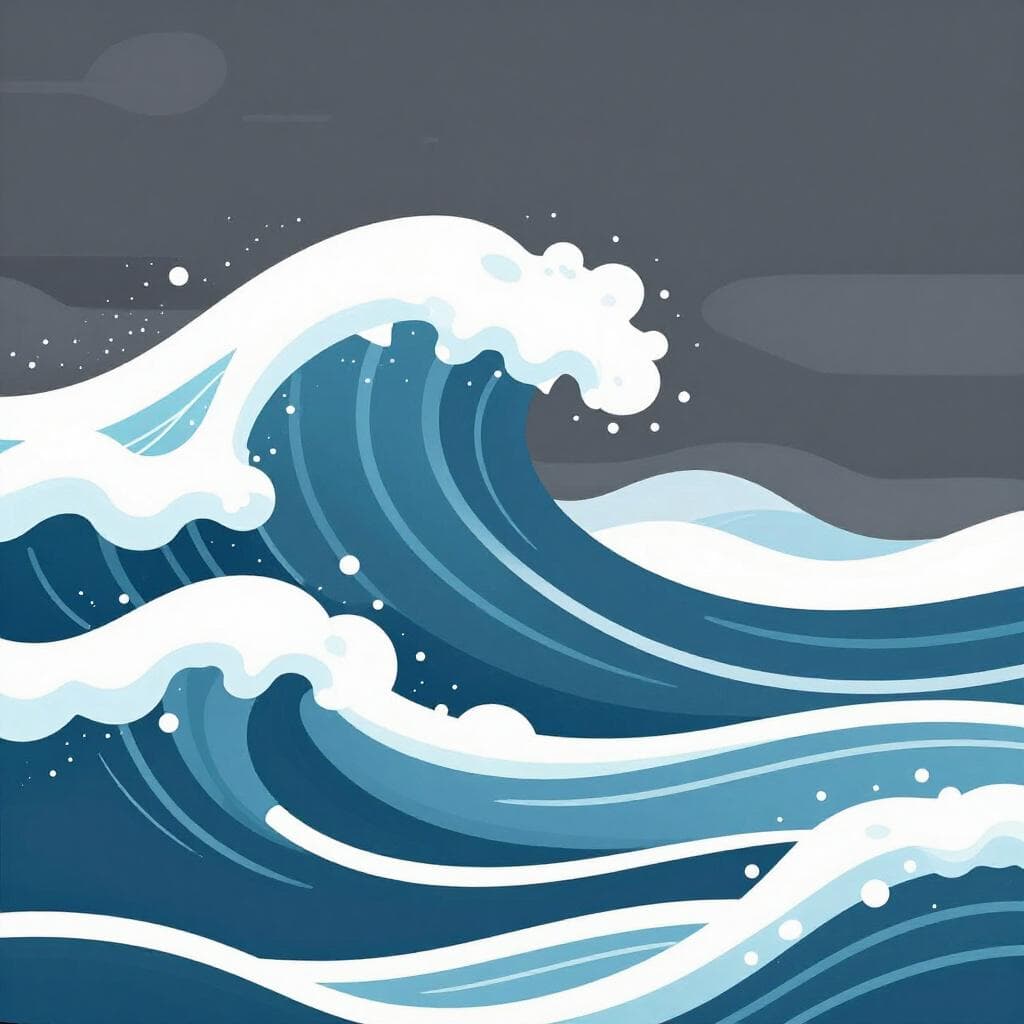
to become rough/violent

📝 In Action
El viento empezó a enfurecer las olas del mar.
C1The wind began to make the sea waves rough.
Word Connections
Subjunctive
Imperfect Subjunctive
Present Subjunctive
Indicative
Preterite
Imperfect
Present
Translate to Spanish
Words that translate to "enfurecer" in Spanish:
✏️ Quick Practice
Quick Quiz: enfurecer
Question 1 of 3
How do you say 'I infuriate' in Spanish?
📚 More Resources
👥 Word Family
📚 Etymology
From the prefix 'en-' (meaning to put into a state) combined with 'furia' (fury), which comes from the Latin 'furia'. The ending '-ecer' is a common Spanish way to turn a noun into a verb that means 'to become' or 'to cause to be'.
First recorded: 13th century
Cognates (Related words)
💡 Master Spanish
Take your Spanish to the next level. Read 200+ illustrated and narrated Spanish stories tailored to your level with the Inklingo app!
Frequently Asked Questions
What is the difference between 'enojar' and 'enfurecer'?
Think of 'enojar' as 'to get mad' and 'enfurecer' as 'to go into a rage.' Enfurecer is much more intense.
Is 'enfurecer' used for inanimate objects?
Yes, but usually in a poetic sense, like a 'raging sea' (mar enfurecido) or a violent storm.
Does it have a spelling change in the past tense?
No, the 'zc' change only happens in the present tense 'yo' form and all forms of the subjunctive mood.