equivocar
“equivocar” means “to be wrong” in Spanish (general error).
to be wrong, to make a mistake
Also: to mistake someone/something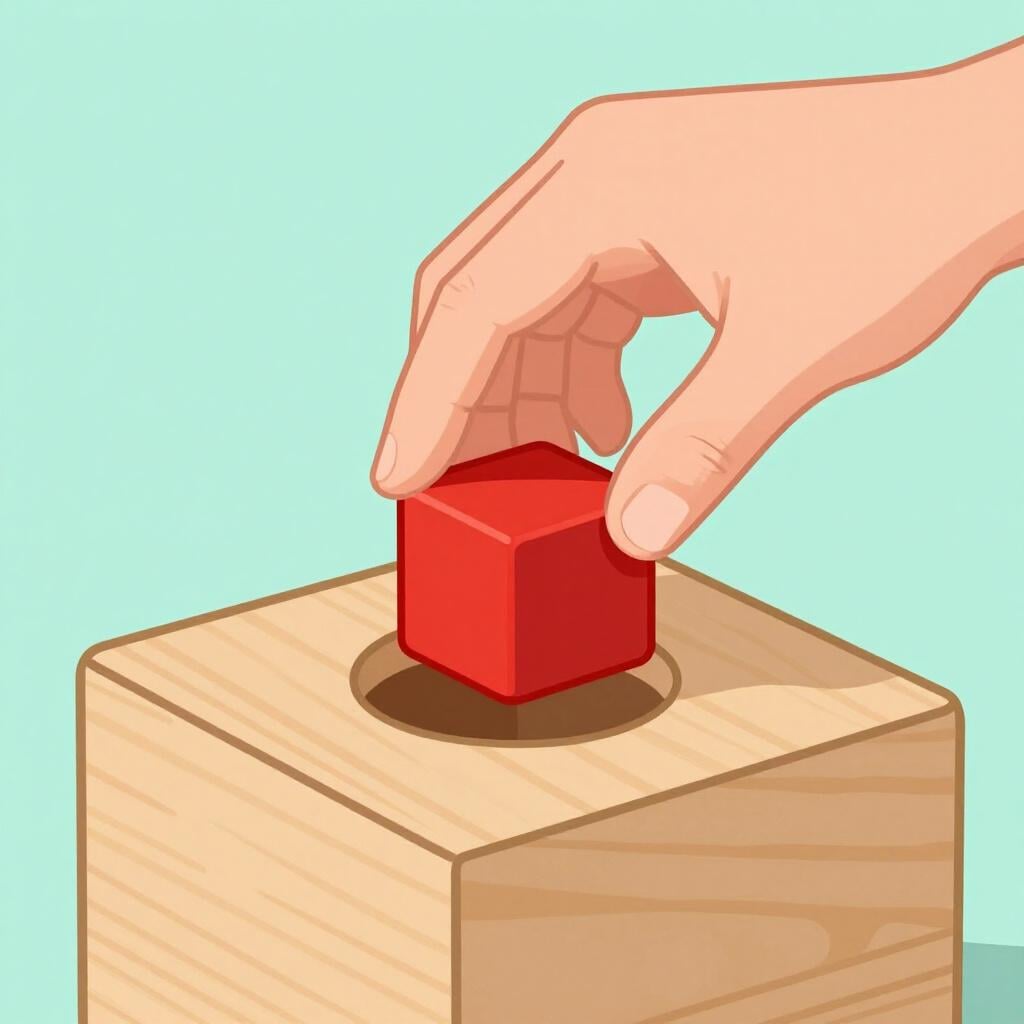
📝 In Action
Lo siento, creo que me he equivocado de número.
A2I'm sorry, I think I have the wrong number.
Si piensas que voy a rendirme, te equivocas.
B1If you think I'm going to give up, you are wrong.
Equivoqué el camino y tardé dos horas más.
B2I took the wrong path and it took me two hours longer.
Subjunctive
Present Subjunctive
Imperfect Subjunctive
Indicative
Present
Preterite
Imperfect
🔀 Commonly Confused With
✏️ Quick Practice
Quick Quiz: equivocar
Question 1 of 3
How do you say 'I made a mistake' in the past (preterite) form?
📚 More Resources
👥 Word Family▼
📚 Etymology▼
From Latin 'aequivocus', meaning 'ambiguous'. It combines 'aequus' (equal) and 'vox' (voice), describing calling two different things by the same name.
First recorded: 13th century
Cognates (Related words)
💡 Master Spanish
Take your Spanish to the next level. Read 200+ illustrated and narrated Spanish stories tailored to your level with the Inklingo app!
Frequently Asked Questions
Is there a difference between 'equivocarse' and 'cometer un error'?
'Equivocarse' is a verb meaning 'to be wrong,' while 'cometer un error' means 'to commit an error.' 'Equivocarse' is much more common in casual conversation.
Why does it change from 'c' to 'qu'?
In Spanish, the letter 'c' sounds like an 's' before 'e'. To keep the 'k' sound from the original word 'equivocar', we have to use 'qu' when an 'e' follows.
Can I use it without the 'me/te/se'?
Yes, but the meaning changes slightly. Without the reflexive pronoun, it usually means 'to mistake one thing for another' (e.g., 'Equivoqué tu voz' - I mistook your voice). Using it with the pronoun is much more common.