expulsar
“expulsar” means “to expel” in Spanish. It has 3 different meanings depending on context:


to expel
Also: to deport, to kick out
📝 In Action
El director decidió expulsar al alumno por su mal comportamiento.
B1The principal decided to expel the student for his bad behavior.
El gobierno va a expulsar a los diplomáticos extranjeros.
B2The government is going to deport the foreign diplomats.
Si no sigues las reglas, te van a expulsar del club.
A2If you don't follow the rules, they are going to kick you out of the club.
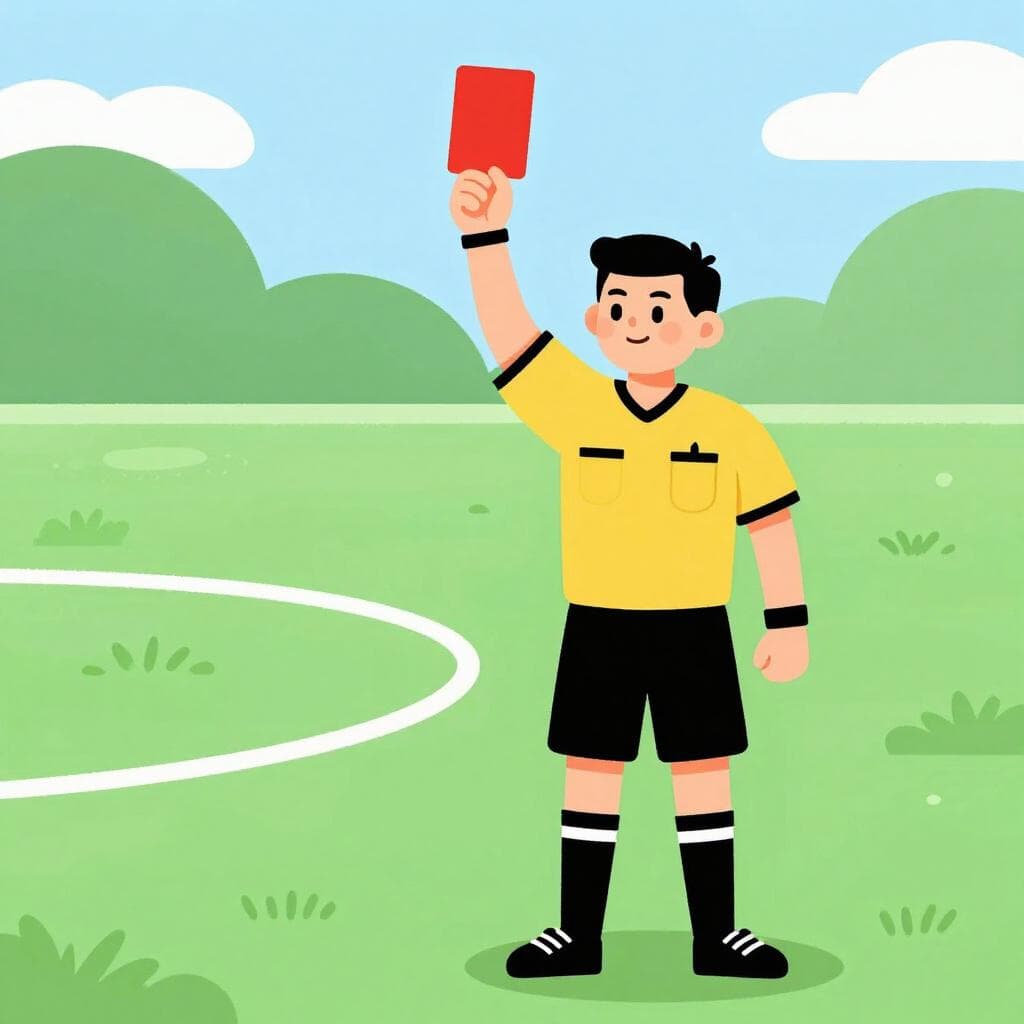
to send off
Also: to red card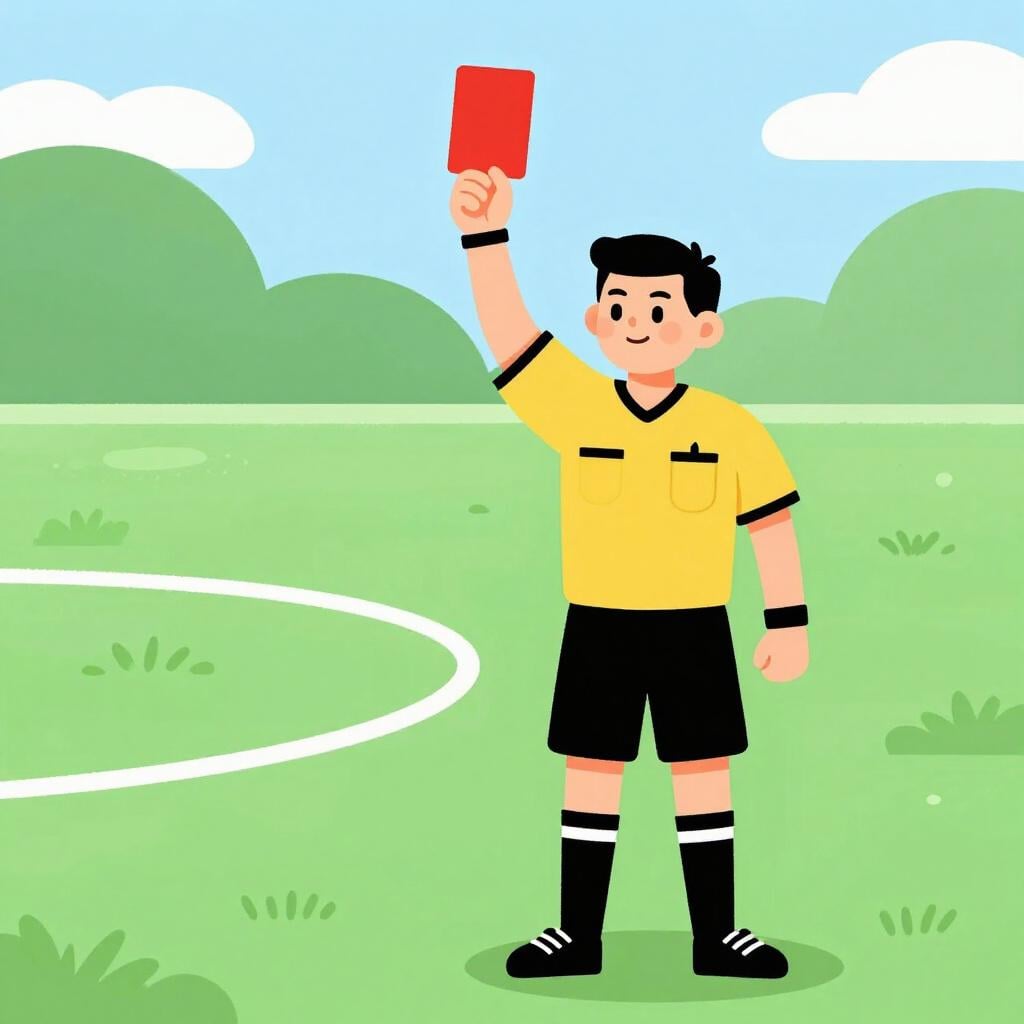
📝 In Action
El árbitro tuvo que expulsar al defensa por una falta grave.
B1The referee had to send off the defender for a serious foul.
Messi fue expulsado en el minuto ochenta.
B1Messi was sent off in the eightieth minute.
to emit
Also: to eject
📝 In Action
El volcán empezó a expulsar ceniza y humo.
B2The volcano began to emit ash and smoke.
El motor expulsa demasiados gases contaminantes.
B2The engine emits too many polluting gases.
El cuerpo intenta expulsar el virus.
C1The body tries to expel the virus.
Subjunctive
Imperfect Subjunctive
Present Subjunctive
Indicative
Preterite
Imperfect
Present
Translate to Spanish
✏️ Quick Practice
Quick Quiz: expulsar
Question 1 of 3
If a soccer player gets a red card, what word do we use?
📚 More Resources
👥 Word Family▼
📚 Etymology▼
From the Latin word 'expulsare', which means 'to drive out' or 'to push away'.
First recorded: 13th century
Cognates (Related words)
💡 Master Spanish
Take your Spanish to the next level. Read 200+ illustrated and narrated Spanish stories tailored to your level with the Inklingo app!
Frequently Asked Questions
What is the difference between 'echar' and 'expulsar'?
'Echar' is more casual and common in daily conversation. 'Expulsar' is more formal and used in official situations (like schools or news).
Can I use 'expulsar' if I fire someone from a job?
Not usually. For jobs, the word 'despedir' is much more natural.
Is 'expulsar' a regular verb?
Yes! It follows the standard pattern for all -ar verbs in all tenses.