fugar
“fugar” means “to escape” in Spanish. It has 2 different meanings depending on context:

to escape
Also: to run away
📝 In Action
El prisionero se fugó a través del túnel.
B1The prisoner escaped through the tunnel.
Decidieron fugarse juntos para casarse en secreto.
B2They decided to run away together to get married in secret.
No puedes fugarte de tus problemas para siempre.
B2You can't run away from your problems forever.
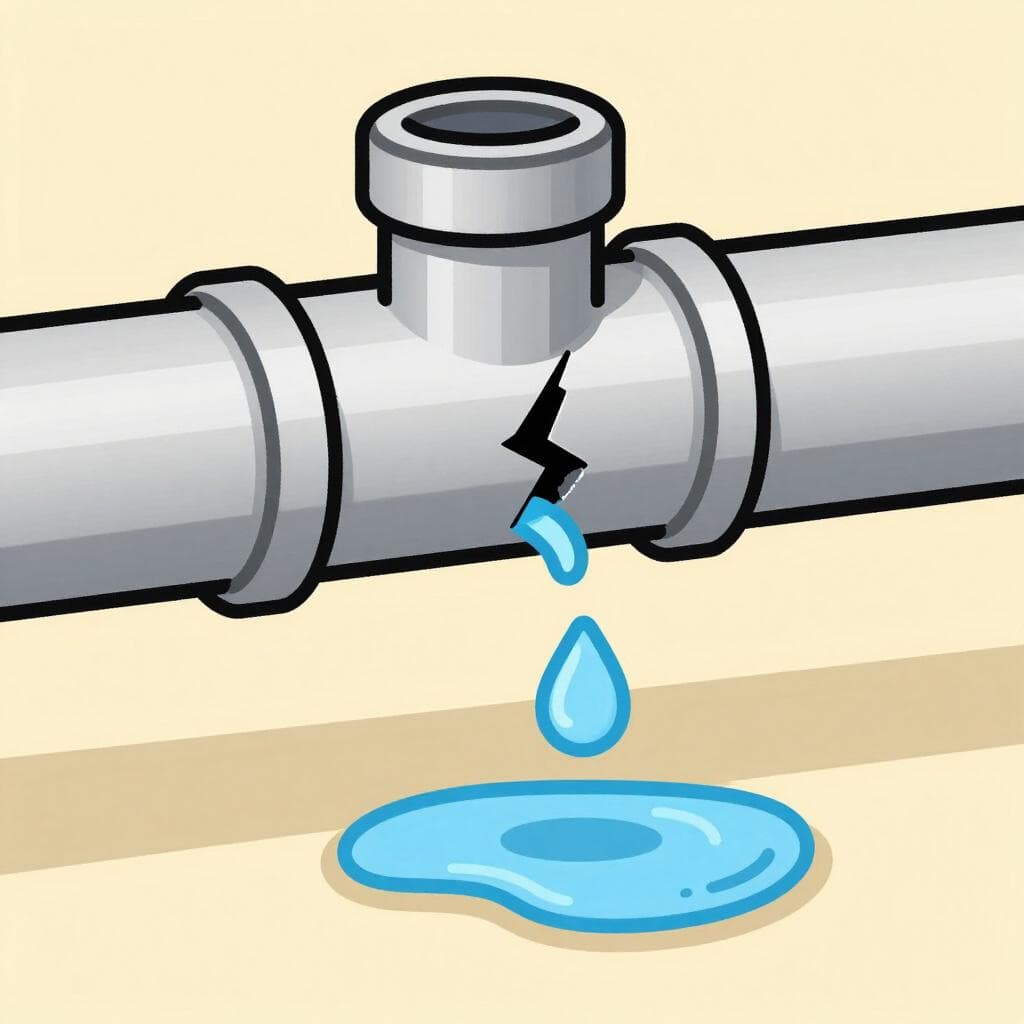
to leak
Also: to drain/flight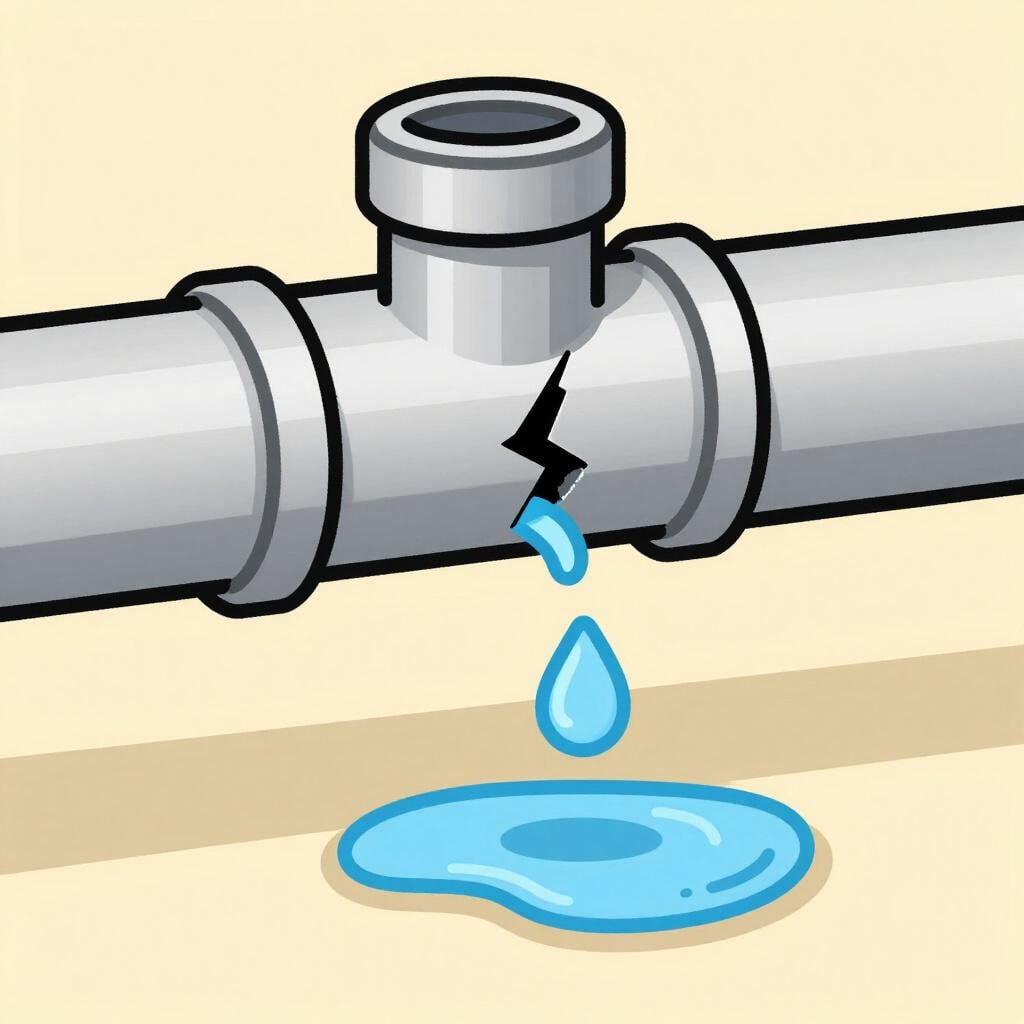
📝 In Action
El gas se está fugando por una grieta en el tubo.
C1Gas is leaking through a crack in the pipe.
Muchos inversores están fugando capitales del país.
C1Many investors are draining capital from the country.
La información se fugó antes del anuncio oficial.
C2The information leaked before the official announcement.
Subjunctive
Imperfect Subjunctive
Present Subjunctive
Indicative
Preterite
Imperfect
Present
Translate to Spanish
✏️ Quick Practice
Quick Quiz: fugar
Question 1 of 3
Which is the correct 'yo' form in the past tense (Preterite)?
📚 More Resources
📚 Etymology▼
From Latin 'fugare' (to put to flight), which comes from 'fugere' (to flee). It shares the same ancestor as the English word 'fugitive'.
First recorded: 13th century
Cognates (Related words)
💡 Master Spanish
Take your Spanish to the next level. Read 200+ illustrated and narrated Spanish stories tailored to your level with the Inklingo app!
Frequently Asked Questions
What is the difference between fugar and escapar?
'Escapar' is generic and used for anything. 'Fugar' is more formal and specific to escaping from custody, home, or when talking about leaks (gas/money).
Is 'fugar' a regular verb?
Mostly! It follows regular -ar patterns, but requires a spelling change (g to gu) in certain forms to keep the pronunciation consistent.
Can I use 'fugar' for water leaking from a pipe?
Yes, although 'perder agua' or 'tener una fuga' is more common in casual conversation, 'se fuga el agua' is perfectly correct.