héroes
“héroes” means “heroes” in Spanish. It has 2 different meanings depending on context:
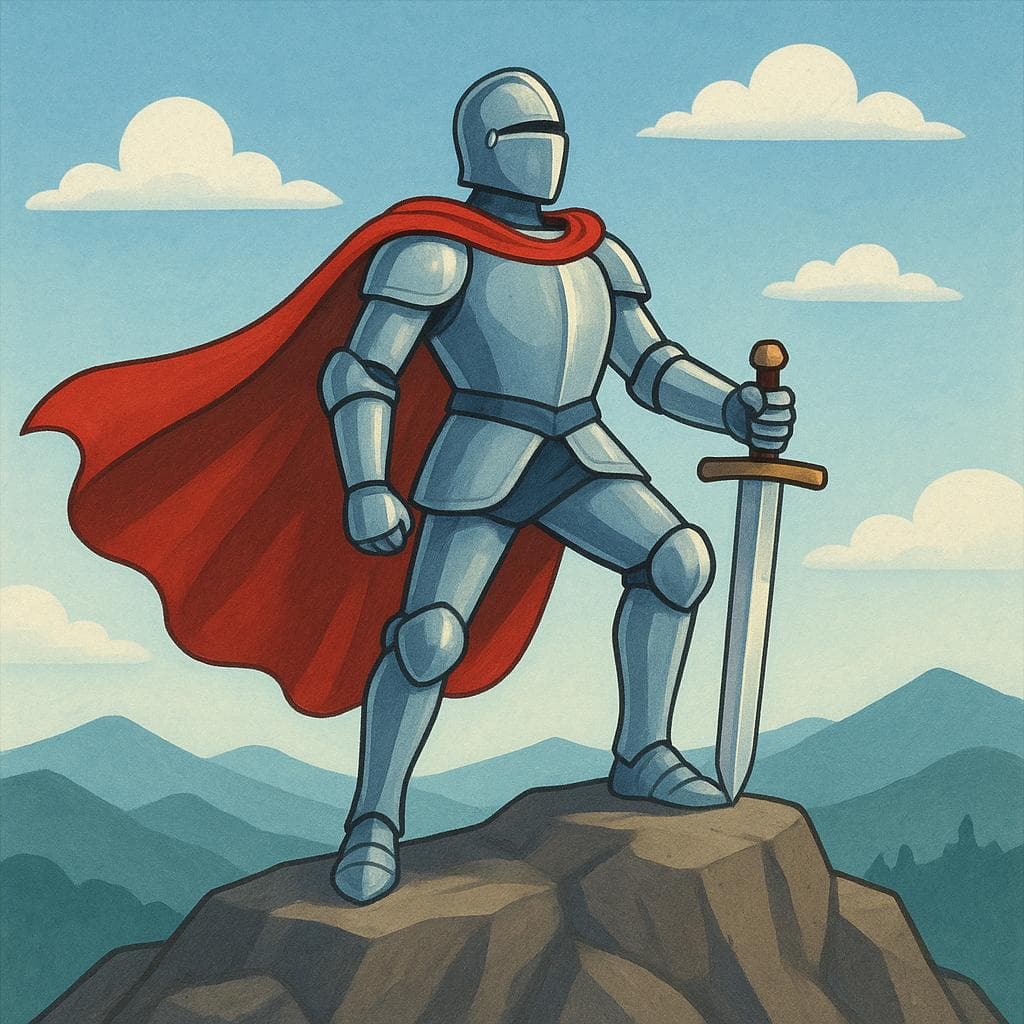

heroes
Also: champions, main characters
📝 In Action
Los héroes de la Odisea viajaron por mares peligrosos.
B1The heroes of the Odyssey traveled across dangerous seas.
En las historietas, los superhéroes siempre salvan el mundo.
A2In comic books, superheroes always save the world.
Admiro a los héroes que lucharon por la independencia.
B1I admire the heroes who fought for independence.
heroes
Also: saviors, role models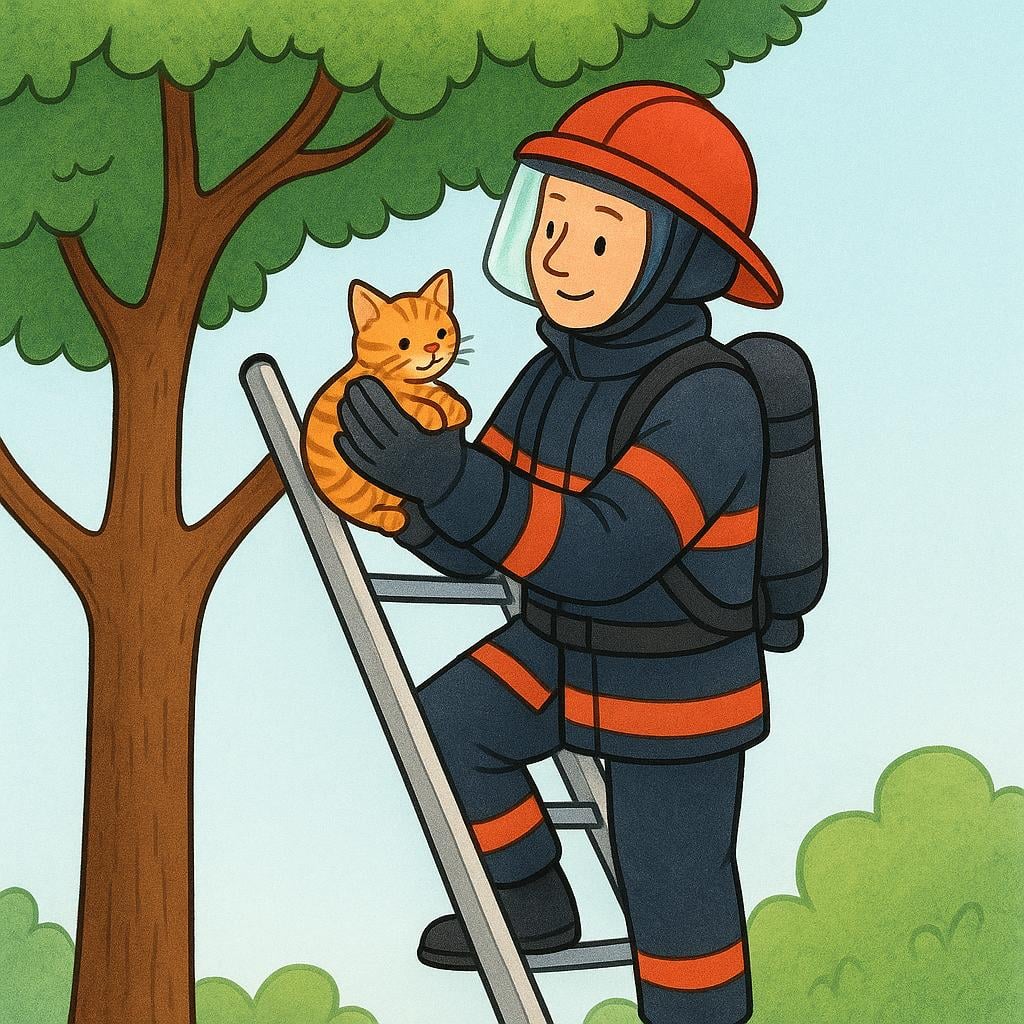
📝 In Action
Los médicos y enfermeros fueron los héroes durante la pandemia.
B1The doctors and nurses were the heroes during the pandemic.
Para muchos niños, sus padres son sus verdaderos héroes.
A2For many children, their parents are their true heroes.
Translate to Spanish
✏️ Quick Practice
Quick Quiz: héroes
Question 1 of 2
Which sentence correctly uses the noun 'héroes'?
📚 More Resources
👥 Word Family▼
🎵 Rhymes▼
📚 Etymology▼
Comes from the Latin word *heros*, which itself was borrowed from the Ancient Greek word *hērōs*. The original Greek meaning related to a demigod or a warrior of noble birth.
First recorded: Appeared in Spanish during the 13th century.
Cognates (Related words)
💡 Master Spanish
Take your Spanish to the next level. Read 200+ illustrated and narrated Spanish stories tailored to your level with the Inklingo app!
Frequently Asked Questions
If I am talking about a group of only female heroes, should I still say 'héroes'?
No. If the group is exclusively female, you should use the feminine plural form: 'heroínas'. However, if the group is mixed, 'héroes' is the correct term.
¿Por qué tiene un acento (Why does it have an accent mark)?
The accent mark (é) is there to make sure you stress the correct syllable when you say the word. It tells you to emphasize the first part: HÉ-ro-es.