iris
“iris” means “iris” in Spanish. It has 2 different meanings depending on context:
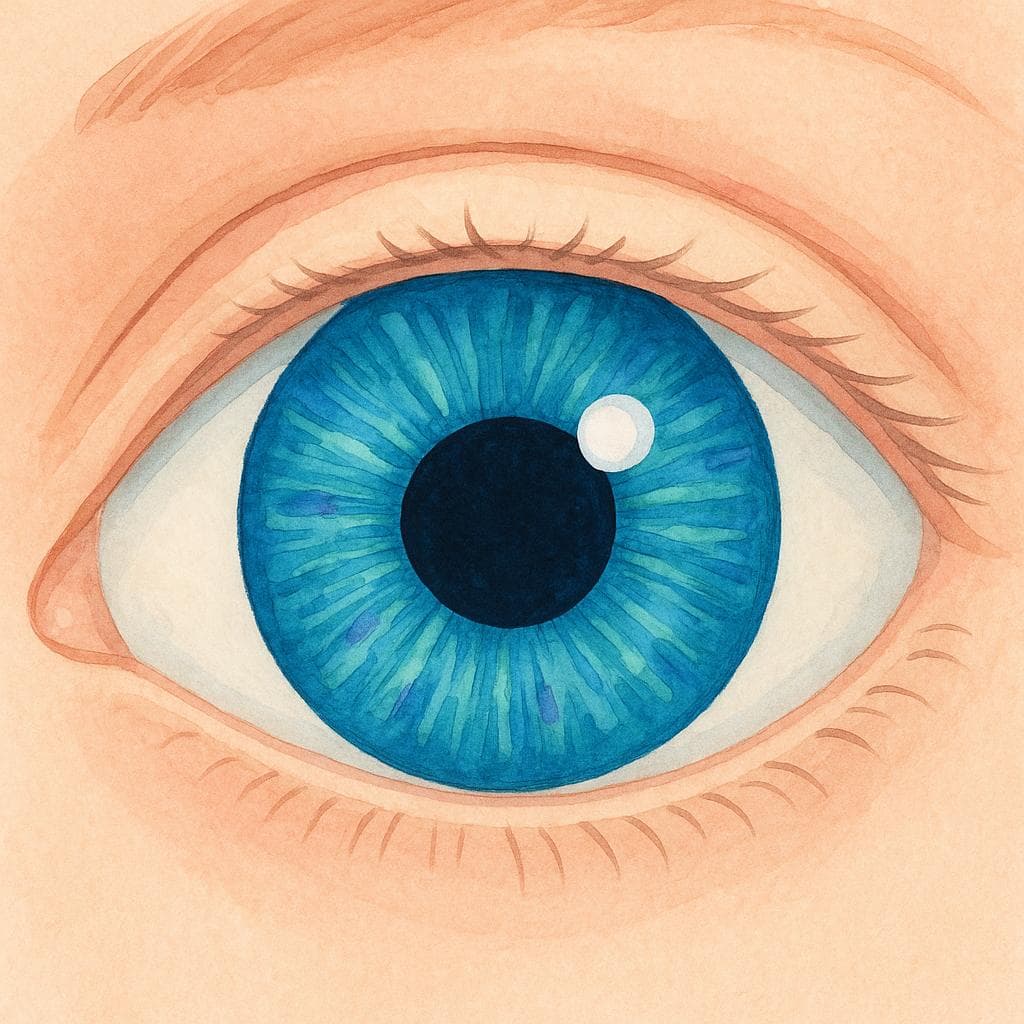

iris
📝 In Action
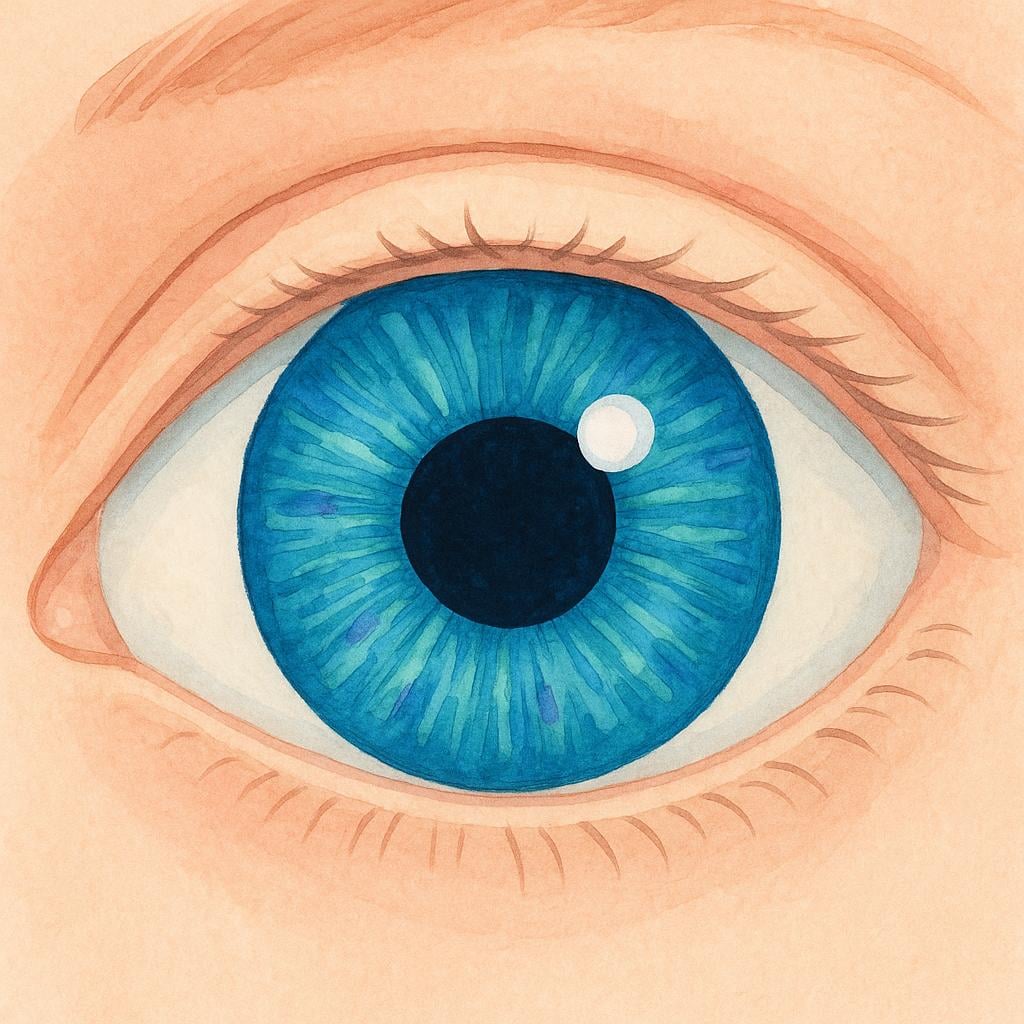
El color del iris de mi hijo es verde claro.
A2The color of my son's iris is light green.
El iris es lo que da color a nuestros ojos.
B1The iris is what gives color to our eyes.
iris
Also: flag
📝 In Action
Plantamos unos hermosos iris en el jardín la primavera pasada.
B1We planted some beautiful irises in the garden last spring.
El iris es una flor que viene en muchos colores.
B1The iris is a flower that comes in many colors.
✏️ Quick Practice
Quick Quiz: iris
Question 1 of 2
Which sentence correctly uses the Spanish word 'iris' in its most common meaning?
📚 More Resources
👥 Word Family▼
📚 Etymology▼
Comes from the Greek word 'Iris,' which was the name of the goddess who acted as a messenger between the gods and humans. She was believed to use the rainbow as her bridge. Both the flower and the eye part were named 'iris' because of their rich variety of colors, like a rainbow.
First recorded: 13th century
Cognates (Related words)
💡 Master Spanish
Take your Spanish to the next level. Read 200+ illustrated and narrated Spanish stories tailored to your level with the Inklingo app!
Frequently Asked Questions
Is 'iris' masculine or feminine?
It is masculine. You must use 'el iris' or 'un iris'.
Does 'iris' ever mean 'rainbow'?
While the word 'iris' is the root of the concept, Spanish almost always uses the full phrase 'arco iris' (literally 'iris arch') to mean rainbow. Using 'iris' alone for rainbow is very rare or poetic.