justificar
“justificar” means “to justify” in Spanish. It has 3 different meanings depending on context:
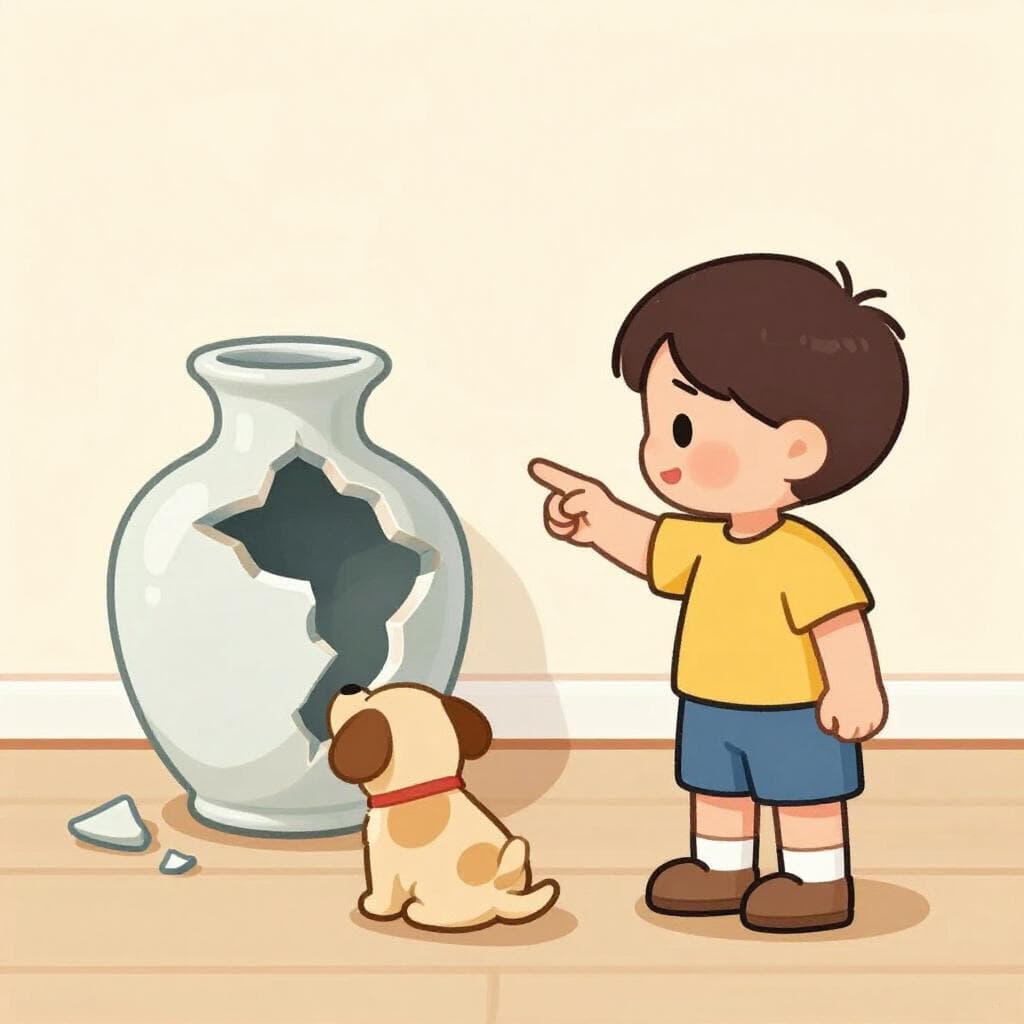

to justify
Also: to explain, to excuse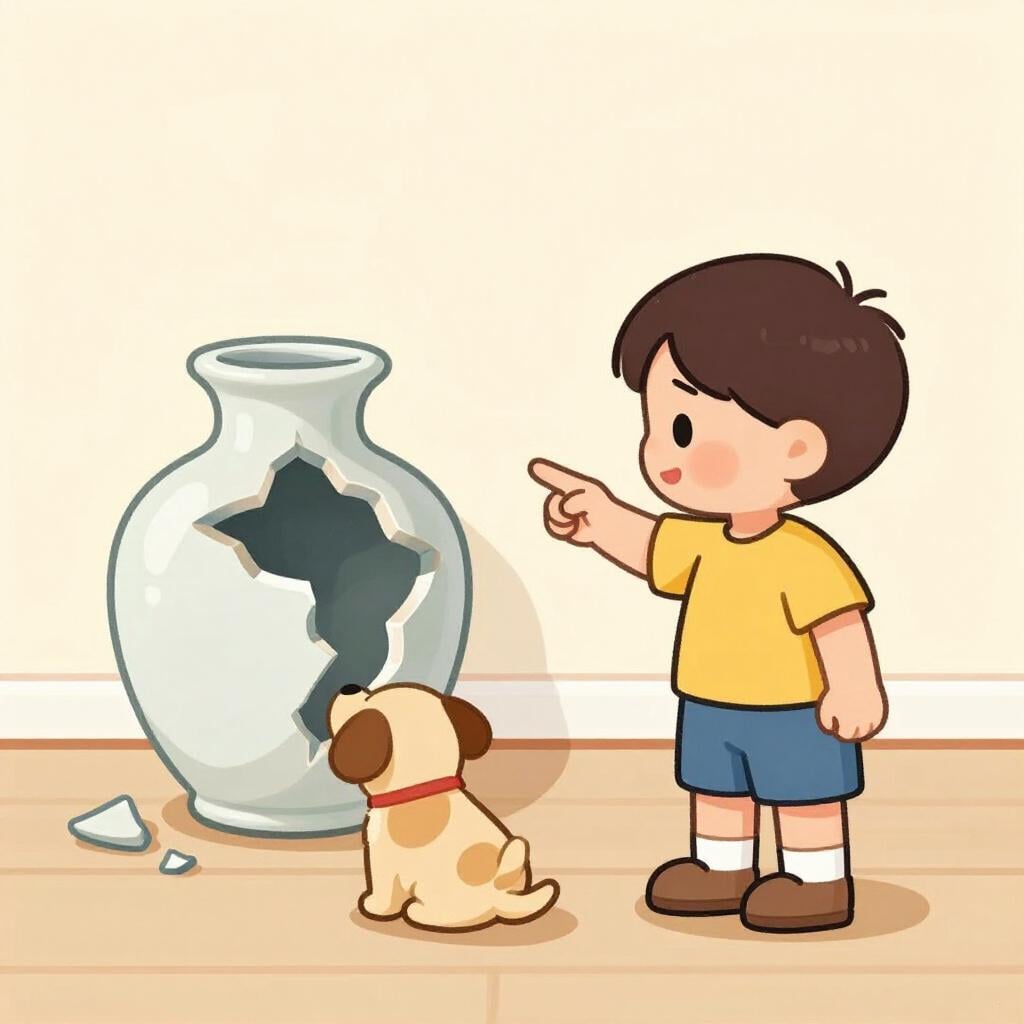
📝 In Action
No puedes justificar tu mala conducta con el estrés.
B1You can't justify your bad behavior with stress.
Él intentó justificar por qué llegó tarde.
A2He tried to explain why he arrived late.
El fin no siempre justifica los medios.
B2The end doesn't always justify the means.
to provide proof
Also: to substantiate
📝 In Action
Debes justificar tus gastos de viaje con recibos.
B1You must account for your travel expenses with receipts.
Necesito un certificado médico para justificar mi falta.
B2I need a medical certificate to justify my absence.
No ha podido justificar el origen de su fortuna.
C1He hasn't been able to prove the source of his fortune.
to justify
📝 In Action
Asegúrate de justificar el texto del documento.
B2Make sure to justify the text of the document.
Subjunctive
Imperfect Subjunctive
Present Subjunctive
Indicative
Preterite
Imperfect
Present
Translate to Spanish
✏️ Quick Practice
Quick Quiz: justificar
Question 1 of 3
Which form of 'justificar' is correct in the past tense (Preterite) for 'I'?
📚 More Resources
👥 Word Family▼
📚 Etymology▼
From the Latin word 'justificare,' which combines 'justus' (just or upright) and 'facere' (to make or do). Essentially, it means 'to make something right.'
First recorded: 13th century
Cognates (Related words)
💡 Master Spanish
Take your Spanish to the next level. Read 200+ illustrated and narrated Spanish stories tailored to your level with the Inklingo app!
Frequently Asked Questions
Is 'justificar' always formal?
Not necessarily, but it is more precise than 'dar una razón' (give a reason). You can use it with friends to explain a decision, or at work to prove expenses.
Does 'justificar' mean the same as 'excuse'?
It can mean 'to excuse' an action by providing a reason, but it doesn't mean 'to excuse yourself' from a table (that would be 'con permiso' or 'disculparse').
Why does the spelling change in 'justifiqué'?
In Spanish, 'ce' sounds like 'se' or 'the'. To keep the hard 'K' sound from 'justi-fi-KAR', we have to use 'que' when the next letter is an 'e'.