How to Say "to excuse" in Spanish
The most common Spanish word for “to excuse” is “disculpar” — use 'disculpar' when you are politely interrupting someone, asking for their attention, or asking for forgiveness for a minor social infraction.

Use 'disculpar' when you are politely interrupting someone, asking for their attention, or asking for forgiveness for a minor social infraction.
Learn more →
Use 'excusar' to offer an explanation or reason for a mistake or inappropriate behavior, essentially asking to be forgiven for it.
Learn more →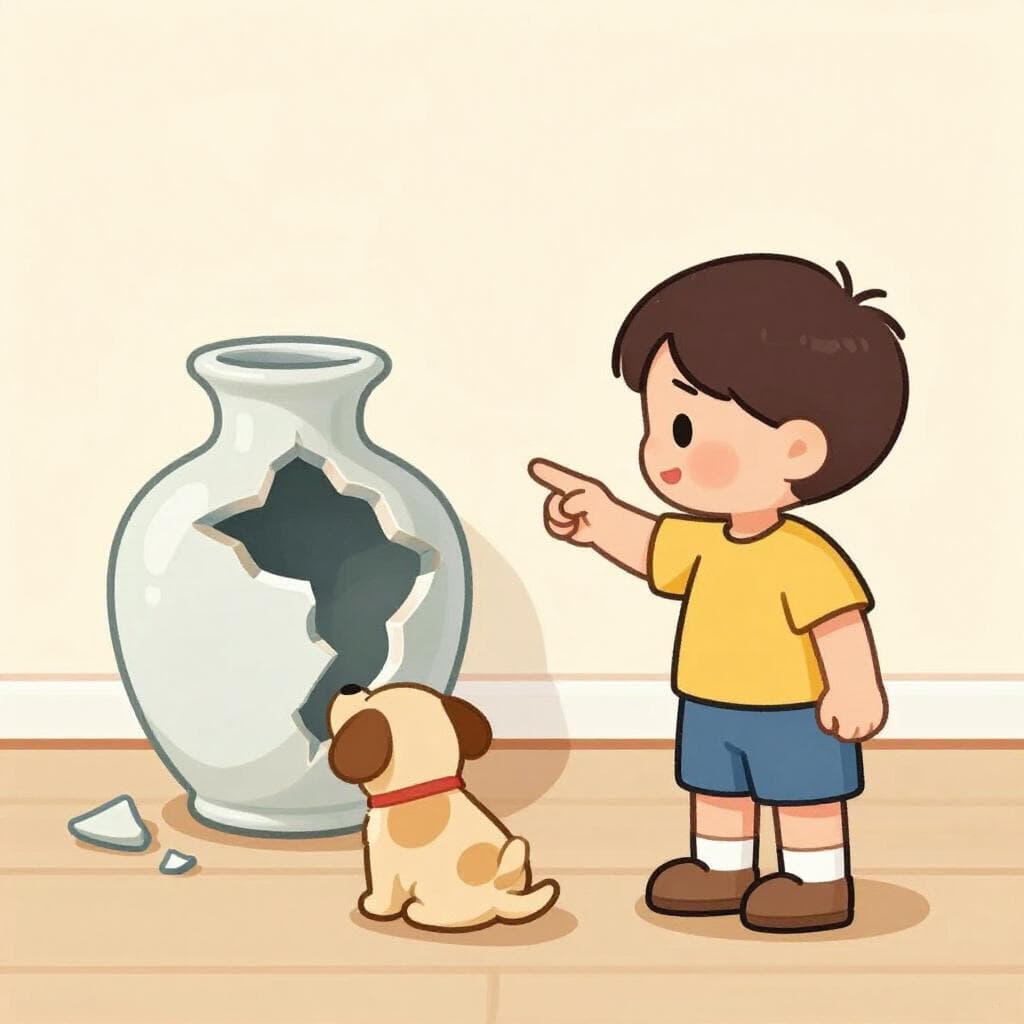
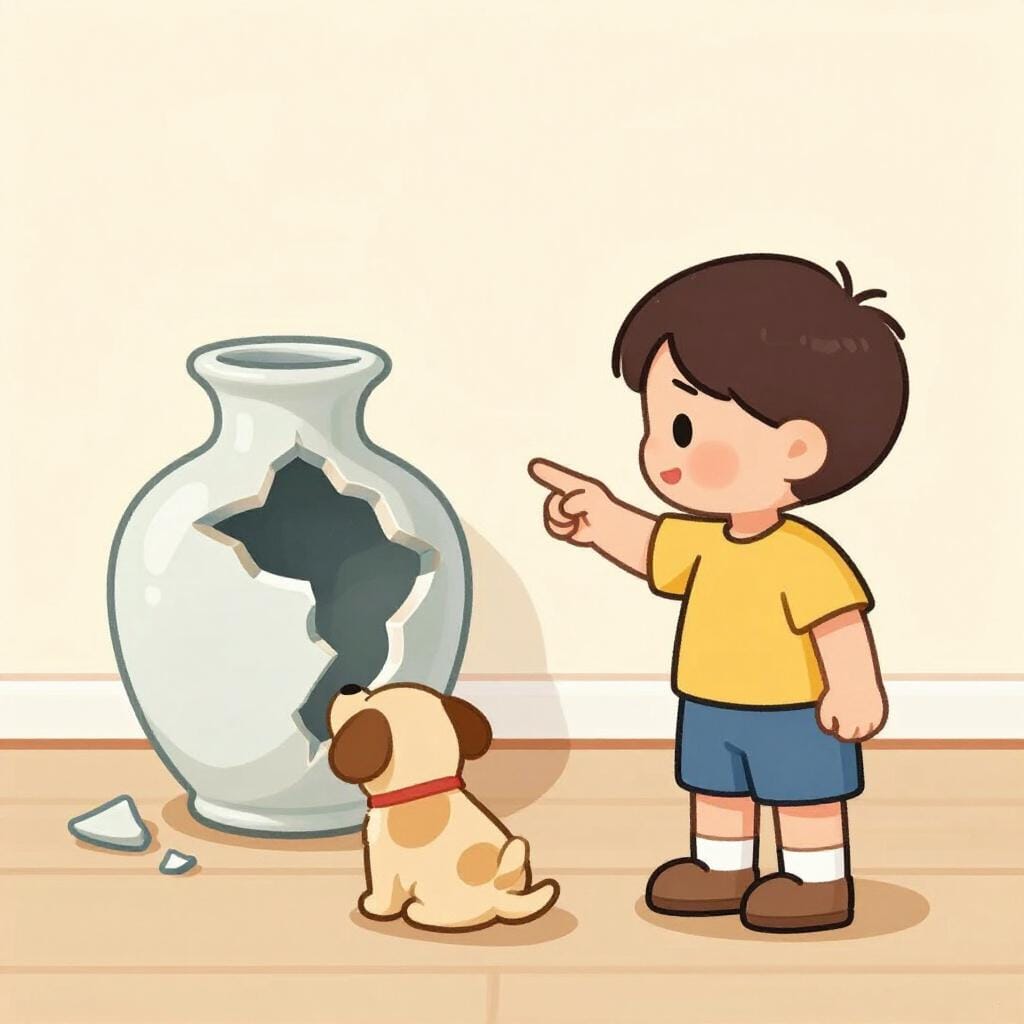
Use 'justificar' when someone is trying to make their actions or behavior seem reasonable or acceptable, often to defend themselves.
Learn more →
Use 'perdonar' when forgiving a debt, a more serious offense, or overlooking a rule or obligation.
Learn more →dees-kool-PARdis.kulˈpaɾ

Examples
Disculpa, ¿me puedes decir la hora?
Excuse me, can you tell me the time?
Disculpa, ¿sabes dónde está la estación?
Excuse me, do you know where the station is?
Te disculpo por no haber avisado antes.
I forgive you for not letting me know earlier.
Disculpe, señor, ¿tiene un momento?
Pardon me, sir, do you have a moment?
The Two Forms of 'You'
Spanish has two ways to say 'you.' Use 'disculpa' with friends, family, and children. Use 'disculpe' with strangers, older people, and in formal situations. This is called the 'tú' (friendly) vs 'usted' (formal) distinction.
Disculpar vs Pedir Disculpas
'Disculpar' means to excuse or forgive someone ELSE. 'Pedir disculpas' means to apologize yourself. Example: 'Te disculpo' (I forgive you) vs 'Pido disculpas' (I apologize).
Using the Wrong Form for the Situation
Mistake: “Using 'disculpa' with a stranger or in a job interview.”
Correction: Use 'disculpe' in formal situations. In Spain and Latin America, always use the formal form with people you don't know well.
Confusing Disculpar with Acusar
Mistake: “Using 'disculpar' when you mean to blame someone.”
Correction: Remember: 'disculpar' is the positive action (forgive), while 'acusar' or 'culpar' is the negative action (blame). They are opposites!
ex-koo-SAReksuˈsaɾ

Examples
Excuso mi ausencia; tuve una emergencia familiar.
I excuse my absence; I had a family emergency.
Por favor, excusa mi tardanza; había mucho tráfico.
Please excuse my lateness; there was a lot of traffic.
No trates de excusar su mal comportamiento.
Don't try to justify his bad behavior.
Él se excusó por no haber llamado antes.
He apologized for not having called sooner.
Using 'por' for reasons
When you want to say what you are apologizing for, use the word 'por' followed by the reason. For example: 'Me excuso por llegar tarde' (I apologize for arriving late).
Reflexive form for personal apologies
If you are the one apologizing, add 'se' to the end (excusarse). This tells the listener that you are acting on yourself to provide an explanation or apology.
Excusar vs. Perdonar
Mistake: “Using 'excusar' for serious crimes or sins.”
Correction: Use 'excusar' for social errors or manners. Use 'perdonar' for deep forgiveness or emotional hurt.
hoos-tee-fee-karxustifiˈkaɾ
Examples
Él intentó justificar su enojo diciendo que estaba cansado.
He tried to justify his anger by saying he was tired.
No puedes justificar tu mala conducta con el estrés.
You can't justify your bad behavior with stress.
Él intentó justificar por qué llegó tarde.
He tried to explain why he arrived late.
El fin no siempre justifica los medios.
The end doesn't always justify the means.
The 'C' to 'QU' Switch
When the letter 'c' is followed by an 'e', it changes to 'qu' to keep the hard 'K' sound. This happens in the 'yo' form of the past (justifiqué) and all command/wish forms (justifique).
Spelling the Past Tense
Mistake: “Yo justificé mi respuesta.”
Correction: Yo justifiqué mi respuesta. (Always use 'qu' before 'e' to keep the hard 'c' sound).
per-doh-NARpeɾðoˈnaɾ

Examples
El profesor le perdonó la tarea por su enfermedad.
The professor excused him from the homework due to his illness.
El banco le perdonó la mitad de la deuda.
The bank excused him half of the debt (waived half the debt).
Perdona mi ignorancia, pero ¿qué significa esa palabra?
Excuse my ignorance, but what does that word mean?
Por favor, perdona el ruido; estamos en obras.
Please excuse the noise; we are doing construction.
Forgiving Things, Not People
In this sense, 'perdonar' often takes the thing being excused (like a debt or a noise) as the direct object, rather than focusing on the person.
Disculpar vs. Excusar
Learners often confuse 'disculpar' and 'excusar'. Remember that 'disculpar' is typically used for minor social interruptions or seeking attention, like saying 'excuse me' to pass by. 'Excusar' is more about providing a reason for a past mistake or absence.
Related Translations
Learn Spanish with Inklingo
Interactive stories, personalized learning, and more.