manuscrito
“manuscrito” means “manuscript” in Spanish. It has 2 different meanings depending on context:

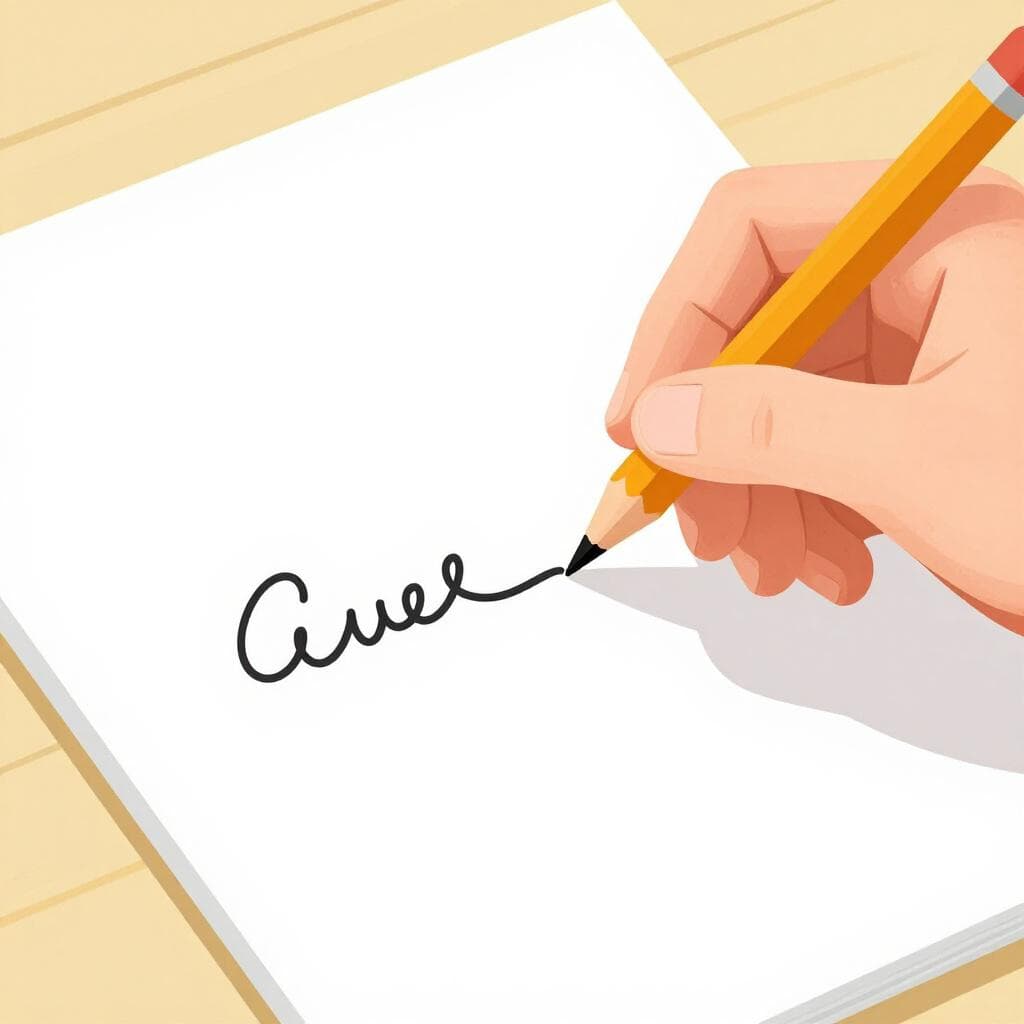
manuscript
Also: draft
📝 In Action
El museo guarda un manuscrito medieval muy valioso.
A2The museum keeps a very valuable medieval manuscript.
El autor envió el manuscrito de su nueva novela a la editorial.
B1The author sent the manuscript of his new novel to the publisher.
Es difícil leer este manuscrito porque la letra es muy pequeña.
B2It is difficult to read this manuscript because the handwriting is very small.
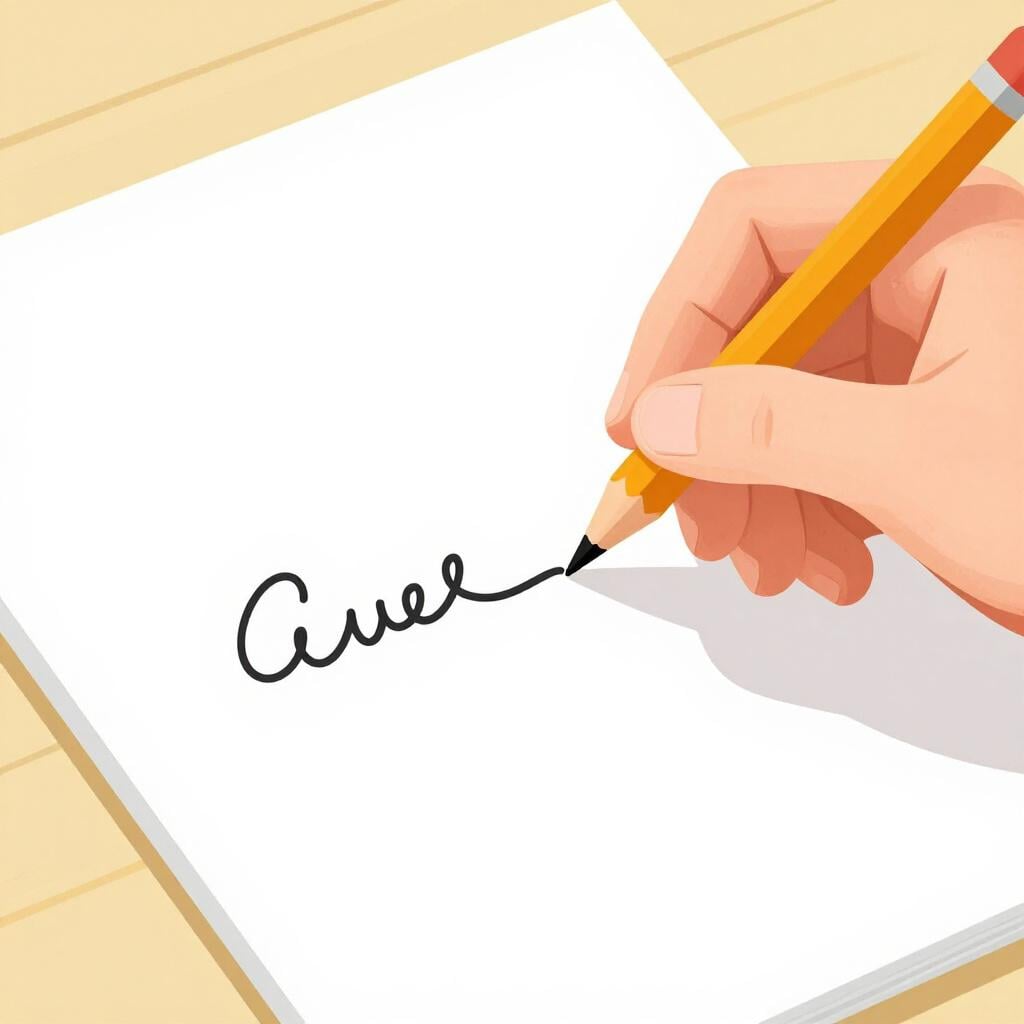
handwritten
📝 In Action
Recibí una invitación manuscrita.
B1I received a handwritten invitation.
Prefiero los diarios manuscritos a los blogs.
B2I prefer handwritten diaries over blogs.
El contrato tiene una nota manuscrita al final.
C1The contract has a handwritten note at the end.
Translate to Spanish
✏️ Quick Practice
Quick Quiz: manuscrito
Question 1 of 3
If you receive a 'carta manuscrita', how was it produced?
📚 More Resources
👥 Word Family▼
📚 Etymology▼
From the Latin 'manu scriptus', where 'manu' means 'by hand' and 'scriptus' means 'written'.
First recorded: 15th century
Cognates (Related words)
💡 Master Spanish
Take your Spanish to the next level. Read 200+ illustrated and narrated Spanish stories tailored to your level with the Inklingo app!
Frequently Asked Questions
Can 'manuscrito' be used for something typed on a computer?
Technically no. In modern publishing, people often call digital drafts 'manuscripts,' but in strict Spanish, it implies it was written by hand or is the original unpublished version.
Is 'manuscrito' only for very old things?
Not necessarily! While it's often used for historical documents, you can use the adjective form to describe a modern thank-you note you wrote this morning.
What is the difference between 'manuscrito' and 'a mano'?
'A mano' is a general phrase meaning 'by hand' (like a handmade sweater). 'Manuscrito' is specifically for text and is more formal.