manzanas
“manzanas” means “apples” in Spanish. It has 2 different meanings depending on context:
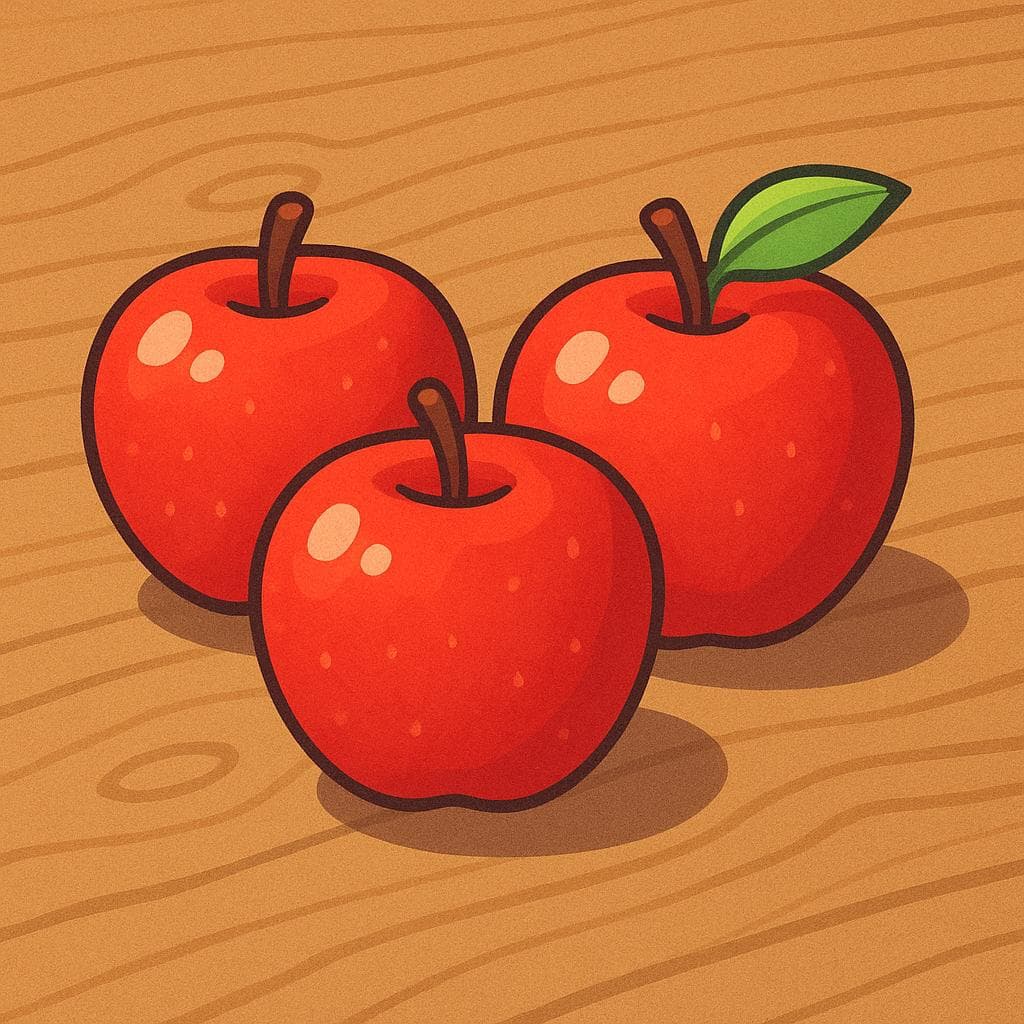

apples

📝 In Action
Me encantan las manzanas rojas, son muy dulces.
A1I love red apples; they are very sweet.
¿Cuántas manzanas necesitamos para hacer el pastel?
A1How many apples do we need to make the pie?
El árbol está lleno de manzanas verdes que aún no están maduras.
A2The tree is full of green apples that are not ripe yet.
city blocks
Also: squares
📝 In Action
Caminamos tres manzanas antes de encontrar el restaurante.
B2We walked three blocks before finding the restaurant.
El ayuntamiento planea renovar varias manzanas en el centro histórico.
C1The city council plans to renovate several blocks in the historic center.
Vocabulary Collections
Translate to Spanish
✏️ Quick Practice
Quick Quiz: manzanas
Question 1 of 2
Which sentence correctly uses 'manzanas' to mean the fruit?
📚 More Resources
👥 Word Family▼
🎵 Rhymes▼
📚 Etymology▼
The word comes from the Vulgar Latin term *mattiāna*, referring to a specific variety of apple named after the Roman family Matius. It has been used in Spanish since the Middle Ages.
First recorded: 13th century
Cognates (Related words)
💡 Master Spanish
Take your Spanish to the next level. Read 200+ illustrated and narrated Spanish stories tailored to your level with the Inklingo app!
Frequently Asked Questions
¿Cuál es la forma singular de 'manzanas'?
La forma singular es 'manzana'. It is used when you are talking about just one apple or one city block.
Is 'manzanas' masculine or feminine?
'Manzanas' is a feminine plural noun. You must use the feminine article 'las' with it (las manzanas).