monto
“monto” means “amount” in Spanish. It has 2 different meanings depending on context:

amountAlso: sum, total

📝 In Action
El monto de la cuenta es de cincuenta euros.
A2The amount of the bill is fifty euros.
No especificaron el monto total de la inversión.
B1They didn't specify the total amount of the investment.
El monto recaudado se donará a la caridad.
B2The amount collected will be donated to charity.
Word Connections
I rideAlso: I assemble, I set up
📝 In Action
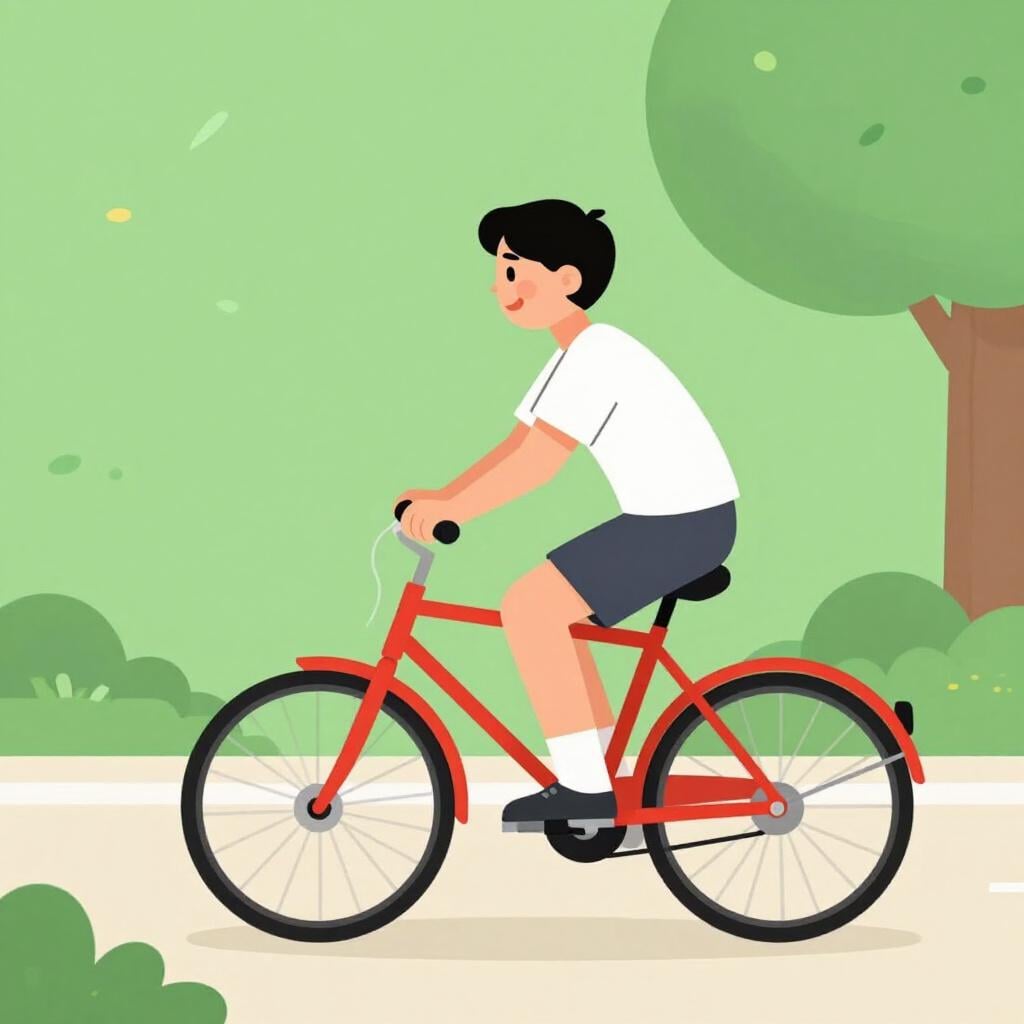
Monto en bicicleta todos los domingos.
A1I ride my bike every Sunday.
Yo siempre monto los muebles de mi casa.
A2I always assemble the furniture in my house.
Monto un escenario para el concierto.
B1I am setting up a stage for the concert.
Word Connections
Subjunctive
Imperfect Subjunctive
Present Subjunctive
Indicative
Preterite
Imperfect
Present
Translate to Spanish
Words that translate to "monto" in Spanish:
✏️ Quick Practice
Quick Quiz: monto
Question 1 of 3
If you are talking about the total price of a car, which word would you use?
📚 More Resources
👥 Word Family
📚 Etymology
Derived from the verb 'montar', which comes from the Latin 'montare' (to climb or mount), originating from 'mons' (mountain). The noun 'monto' refers to the total that has 'mounted up'.
First recorded: 13th century
Cognates (Related words)
💡 Master Spanish
Take your Spanish to the next level. Read 200+ illustrated and narrated Spanish stories tailored to your level with the Inklingo app!
Frequently Asked Questions
What is the difference between 'monto' and 'montó'?
The accent changes everything! 'Monto' (no accent) means 'I ride' or 'amount'. 'Montó' (with an accent) means 'he/she/it rode' in the past.
Can I use 'monto' to mean 'quantity'?
Yes, but 'monto' is usually reserved for the total sum or a quantity of money. For general quantities like 'a lot of water,' use 'cantidad'.
Is 'monto' related to mountains?
Yes! Both come from the Latin word for mountain. To 'mount' something (montar) was originally to climb up, and a 'monto' is the total that has climbed or built up.