motores
“motores” means “engines” in Spanish. It has 2 different meanings depending on context:
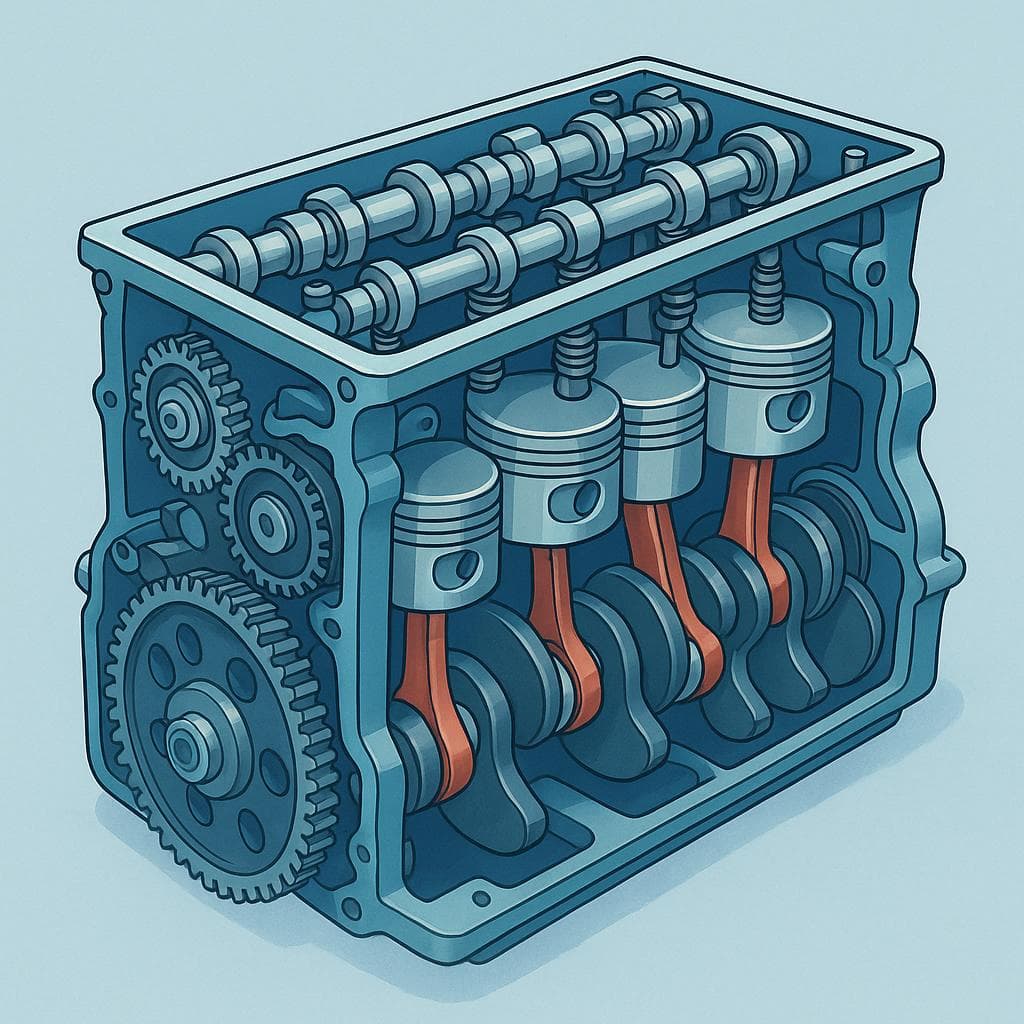

engines, motors
Also: power sources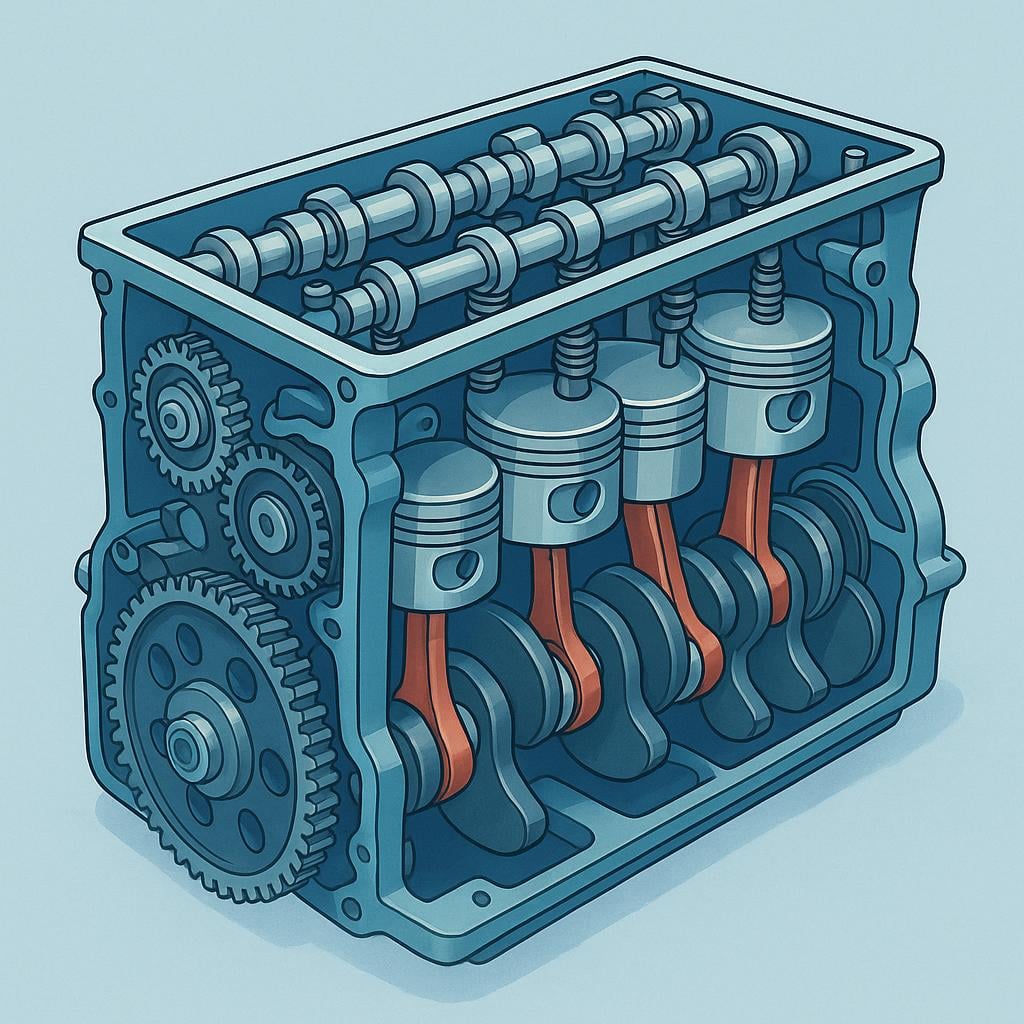
📝 In Action
Los motores del coche deben revisarse cada año.
A2The car's engines must be checked every year.
El barco tiene dos motores muy grandes y potentes.
A1The ship has two very large and powerful motors.
driving forces, drivers
Also: motivators, causes
📝 In Action
Los motores de la protesta social son la desigualdad y la pobreza.
B2The driving forces behind the social protest are inequality and poverty.
La innovación y la tecnología son los motores del crecimiento económico.
C1Innovation and technology are the drivers of economic growth.
Translate to Spanish
Words that translate to "motores" in Spanish:
causes→drivers→driving forces→engines→motivators→motors→power sources→✏️ Quick Practice
Quick Quiz: motores
Question 1 of 1
Which sentence uses 'motores' in its figurative sense?
📚 More Resources
👥 Word Family▼
📚 Etymology▼
The word comes from the Latin term *motor*, which literally means 'one who moves' or 'mover.' It entered Spanish and initially referred to the power behind movement, later becoming associated specifically with mechanical devices.
First recorded: 15th century (in the sense of 'mover' or 'cause'); 19th century (in the modern mechanical sense)
Cognates (Related words)
💡 Master Spanish
Take your Spanish to the next level. Read 200+ illustrated and narrated Spanish stories tailored to your level with the Inklingo app!
Frequently Asked Questions
¿Cuál es la diferencia entre 'motor' y 'máquina'?
A 'motor' is the specific part that creates movement or power (like the engine of a car). A 'máquina' is the entire device or complex assembly (like the whole car or a washing machine). The motor is a component of the machine.
¿'Motores' es masculino o femenino?
'Motores' is a masculine plural noun. You must use masculine words before it, like 'los motores' or 'unos motores'.