patente
“patente” means “patent” in Spanish. It has 3 different meanings depending on context:


patent
Also: license
📝 In Action
La científica solicitó una patente para su nueva medicina.
B1The scientist applied for a patent for her new medicine.
Si inventas algo único, debes registrar la patente.
B1If you invent something unique, you should register the patent.
La empresa tiene la patente de esta tecnología desde hace años.
B2The company has held the patent for this technology for years.
obvious, evident
Also: manifest
📝 In Action
Su nerviosismo era patente para todos en la sala.
C1His nervousness was obvious to everyone in the room.
Es un error patente que debemos corregir de inmediato.
C1It is an obvious error that we must correct immediately.
La falta de recursos se hizo patente durante la crisis.
C2The lack of resources became evident during the crisis.
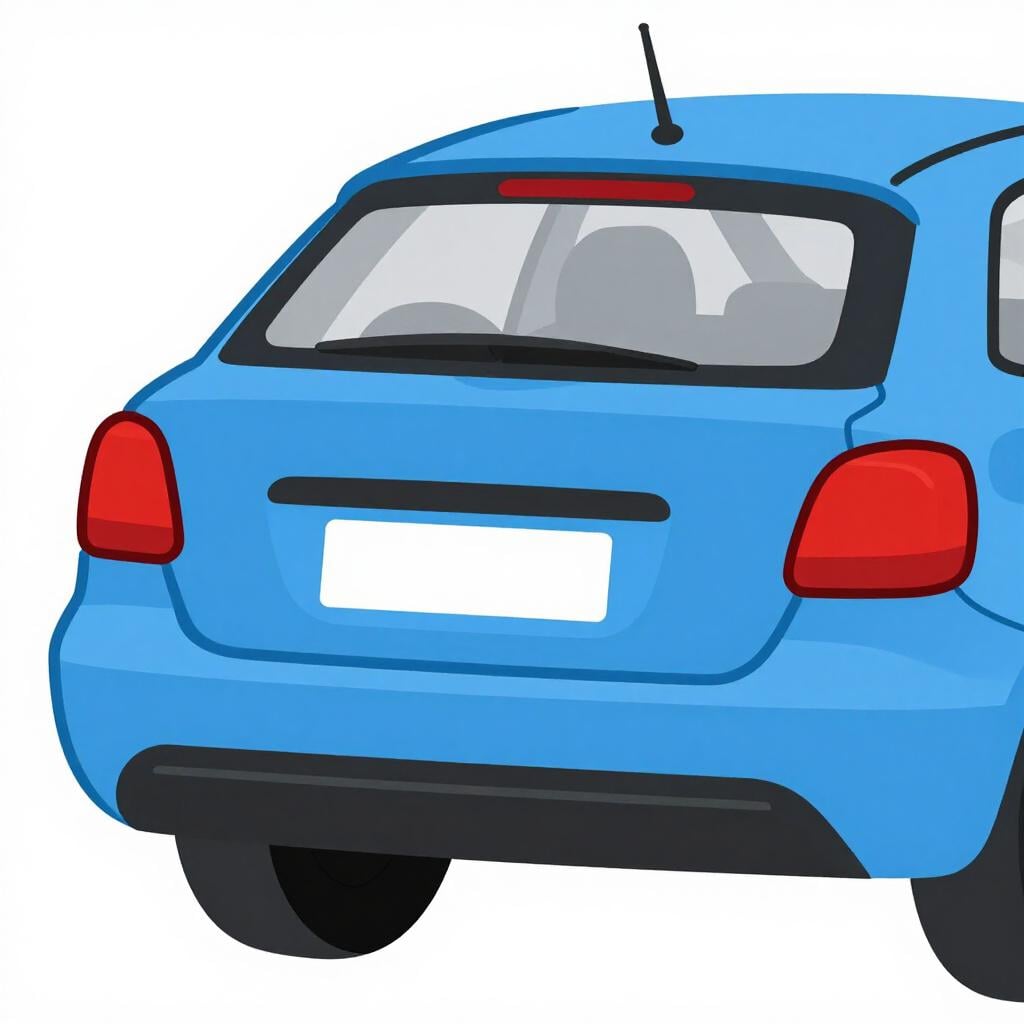
license plate, vehicle tax
📝 In Action
Tengo que pagar la patente de mi auto antes de fin de mes.
B1I have to pay my car tax before the end of the month.
El testigo no pudo ver el número de la patente.
B1The witness couldn't see the license plate number.
Translate to Spanish
Words that translate to "patente" in Spanish:
evident→license→license plate→manifest→obvious→patent→vehicle tax→✏️ Quick Practice
Quick Quiz: patente
Question 1 of 3
In Argentina, if someone asks for your 'patente', what do they want to see?
📚 More Resources
👥 Word Family▼
📚 Etymology▼
From the Latin 'patens', which means 'to be open' or 'to be exposed'. This is why it refers to something 'obvious' (open to view) or a 'patent' (an open document of rights).
First recorded: 13th century
Cognates (Related words)
💡 Master Spanish
Take your Spanish to the next level. Read 200+ illustrated and narrated Spanish stories tailored to your level with the Inklingo app!
Frequently Asked Questions
Is 'patente' the same as 'obvio'?
Yes, when used as an adjective, they are synonyms. However, 'patente' is much more formal and usually used in professional writing.
Why do some people say 'matrícula' instead of 'patente'?
It depends on the country. Spain and Mexico usually use 'matrícula' or 'placa' for car plates, while Argentina and Uruguay use 'patente'.
Is 'patente' also a verb?
Technically, 'patente' is a form of the verb 'patentar' (to patent). For example, 'Espero que él patente su idea' (I hope he patents his idea). But usually, you will see it as a noun or adjective.