perdió
“perdió” means “lost” in Spanish. It has 2 different meanings depending on context:

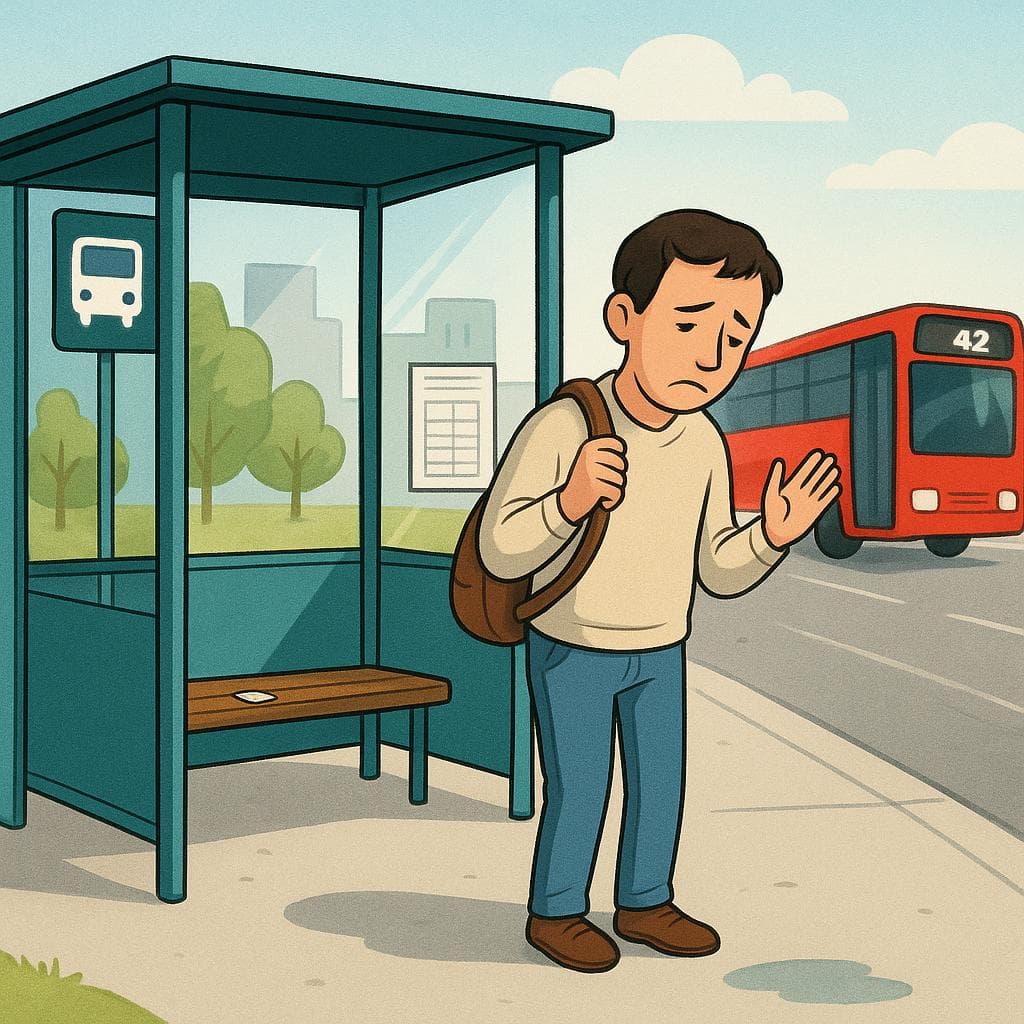
lostAlso: forfeited, wasted

📝 In Action
Mi hermana perdió su anillo en la playa.
A2My sister lost her ring on the beach.
El equipo perdió por un solo punto anoche.
A2The team lost by just one point last night.
¿Qué pasó? Él perdió todo el dinero en la apuesta.
B1What happened? He lost all the money on the bet.
Word Connections
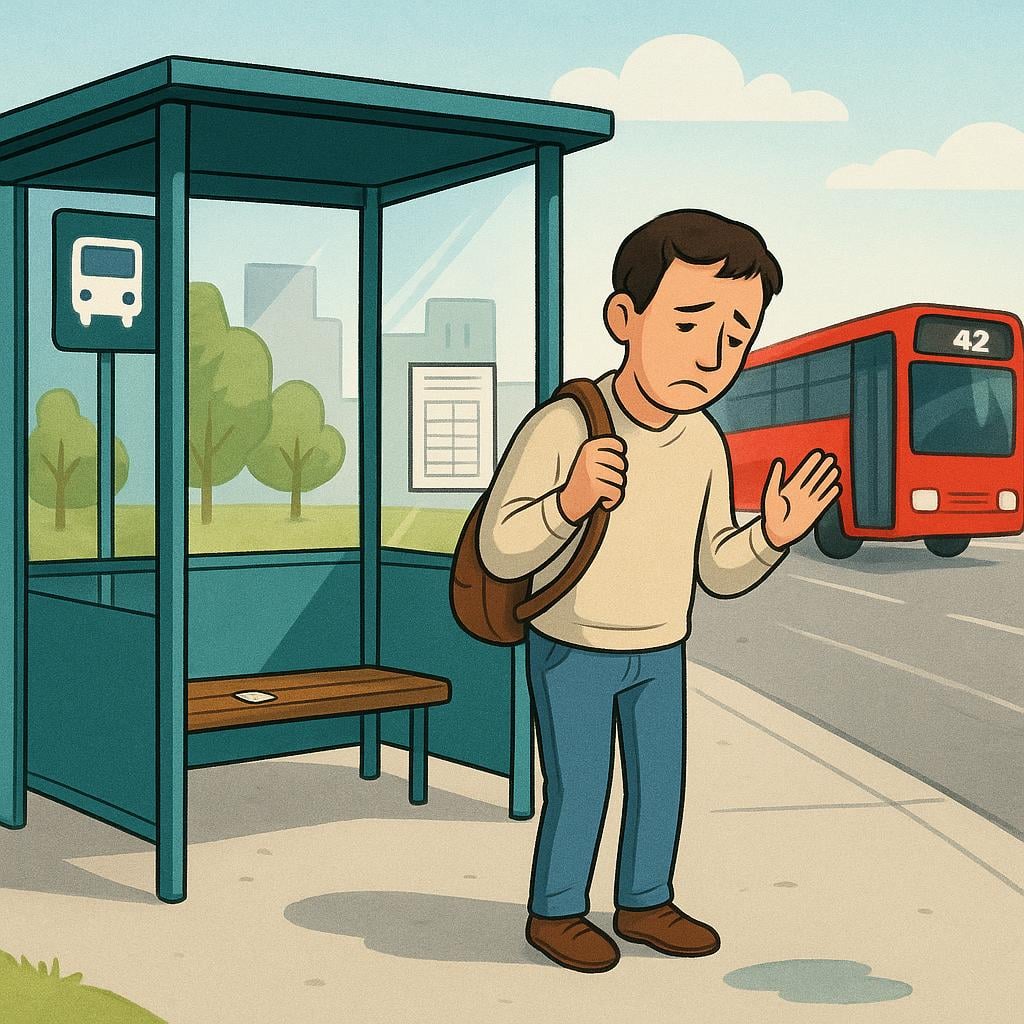
missedAlso: blew
📝 In Action
Llegó tarde y perdió el último autobús.
A2He arrived late and missed the last bus.
Ella perdió la oportunidad de trabajar en el extranjero.
B1She missed the opportunity to work abroad.
Usted perdió la fecha límite para entregar el informe.
B2You missed the deadline to hand in the report.
Word Connections
Indicative
Present
Imperfect
Preterite
Subjunctive
Present Subjunctive
Imperfect Subjunctive
✏️ Quick Practice
Quick Quiz: perdió
Question 1 of 1
Which sentence correctly uses 'perdió' to mean 'missed'?
📚 More Resources
🎵 Rhymes
📚 Etymology
Comes directly from the Latin verb *perdere*, which meant 'to destroy' or 'to cast away'. The meaning evolved in Spanish to focus on the concept of 'not having' or 'being deprived of' something.
First recorded: Around the 10th century
Cognates (Related words)
💡 Master Spanish
Take your Spanish to the next level. Read 200+ illustrated and narrated Spanish stories tailored to your level with the Inklingo app!
Frequently Asked Questions
If I want to say 'He got lost' (was lost), can I use 'perdió'?
Not usually! When talking about a person or thing getting physically lost, Spanish uses the reflexive form: 'Él se perdió' (He got lost). The simple 'perdió' only means he caused the loss or missed something.
Why does 'perdió' have an accent mark?
The accent mark is required to stress the last syllable (per-di-Ó) in the third person singular of the past tense (preterite). Without it, it would follow regular stress rules and sound like 'PER-dio', which is not correct.