polar
“polar” means “polar” in Spanish. It has 3 different meanings depending on context:
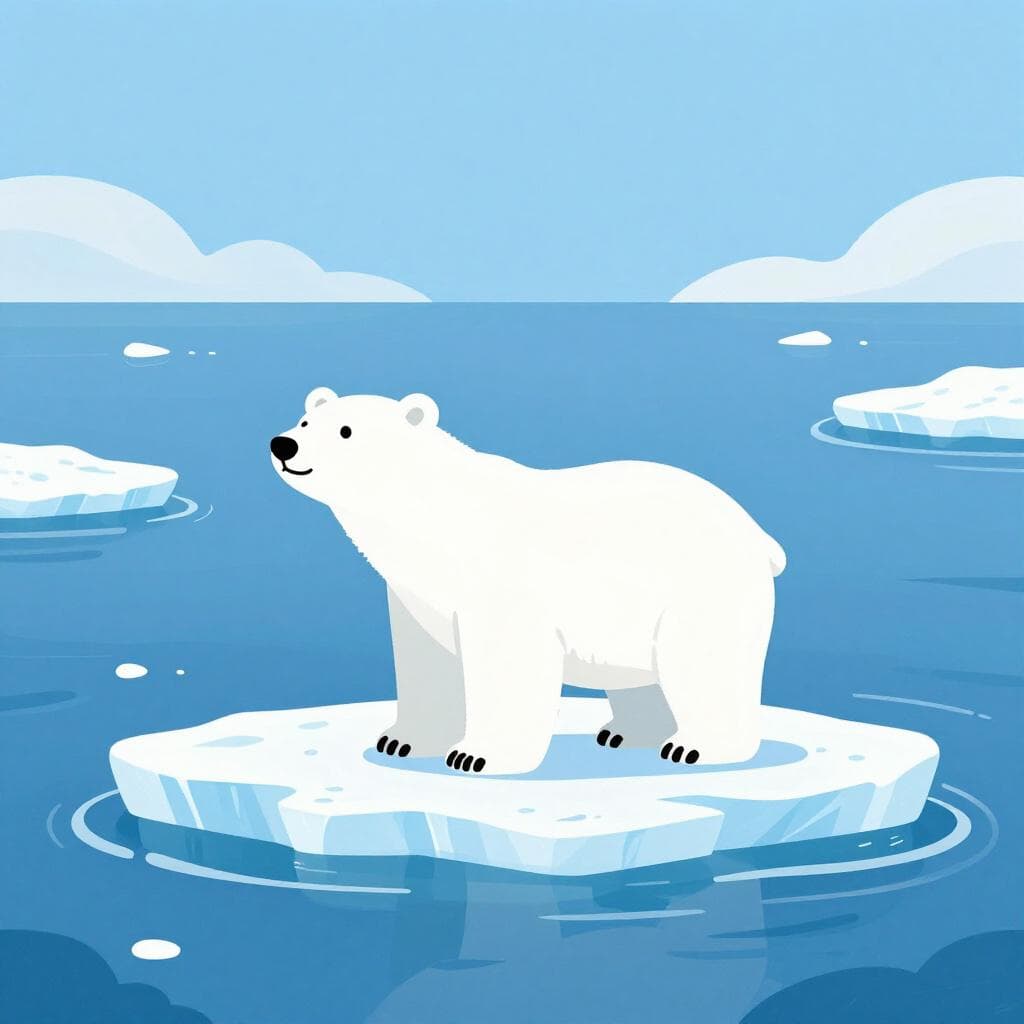


polar
Also: freezing, arctic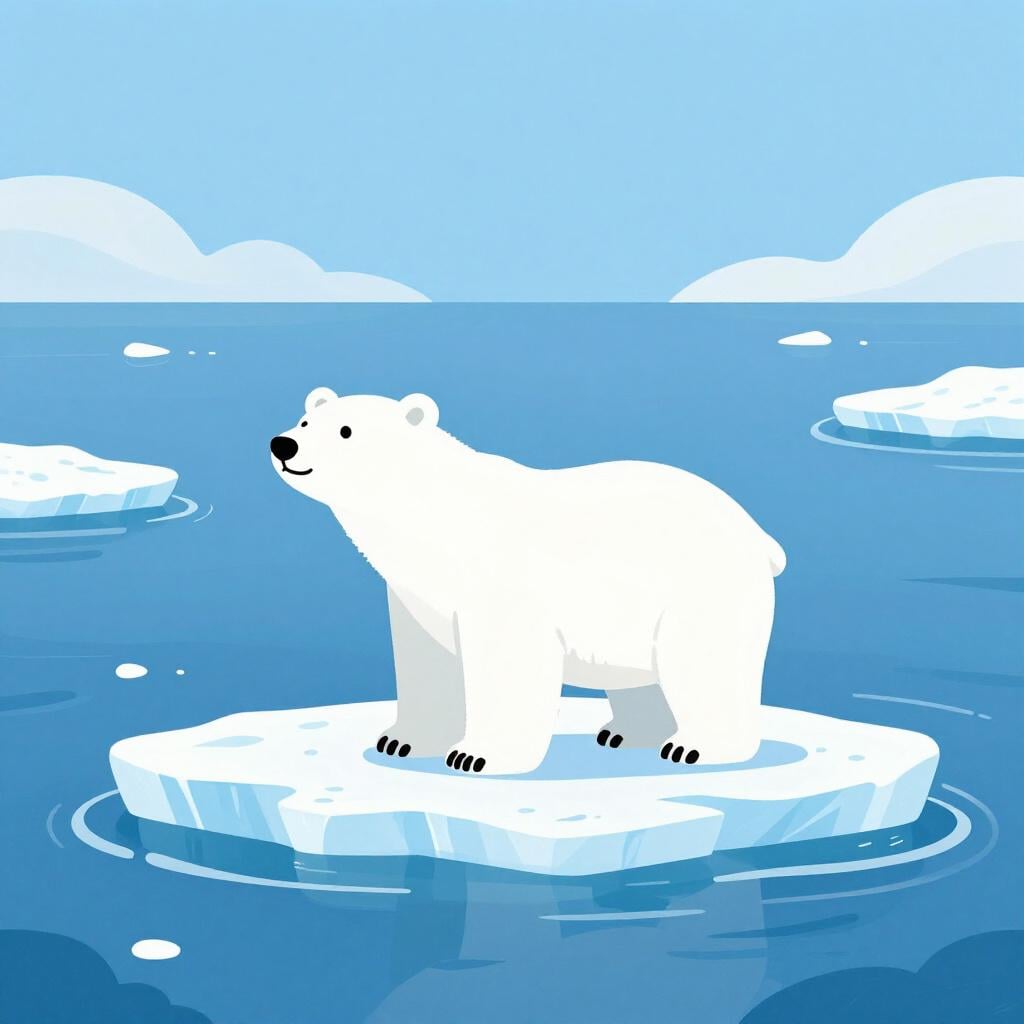
📝 In Action
El oso polar camina sobre el hielo.
A1The polar bear walks on the ice.
Hoy hace un frío polar en la ciudad.
A2It is freezing cold in the city today.
La expedición científica llegó al círculo polar.
B1The scientific expedition reached the polar circle.
fleece
Also: fleece jacket
📝 In Action
Llevo un polar en la mochila por si refresca.
A2I'm carrying a fleece in my backpack in case it gets cool.
Este polar es muy suave y abriga mucho.
B1This fleece is very soft and is very warm.
polar
Also: opposite
📝 In Action
El agua es una molécula polar.
C1Water is a polar molecule.
Ellos tienen opiniones polares sobre la política.
B2They have polar (completely opposite) opinions about politics.
Translate to Spanish
✏️ Quick Practice
Quick Quiz: polar
Question 1 of 3
How do you say 'polar bear' in Spanish?
📚 More Resources
👥 Word Family▼
📚 Etymology▼
From the Latin 'polaris', which comes from 'polus', meaning the end of an axis or a pole.
First recorded: 15th century
Cognates (Related words)
💡 Master Spanish
Take your Spanish to the next level. Read 200+ illustrated and narrated Spanish stories tailored to your level with the Inklingo app!
Frequently Asked Questions
Does 'polar' change to 'pola' for feminine nouns?
No. 'Polar' is an invariable adjective, meaning it stays the same regardless of whether the noun it describes is masculine or feminine.
Is 'polar' used as a verb?
No, 'polar' is not a verb in Spanish. If you want to say 'to polarize', you should use the verb 'polarizar'.
What is the difference between 'polo' and 'polar'?
'Polo' is the noun (the destination, like the North Pole), while 'polar' is the adjective used to describe things related to it (like polar weather).