How to Say "fleece" in Spanish
The most common Spanish word for “fleece” is “lana” — use 'lana' when referring to the wool from an animal's coat, or the material made from it, like in a wool sweater or blanket.

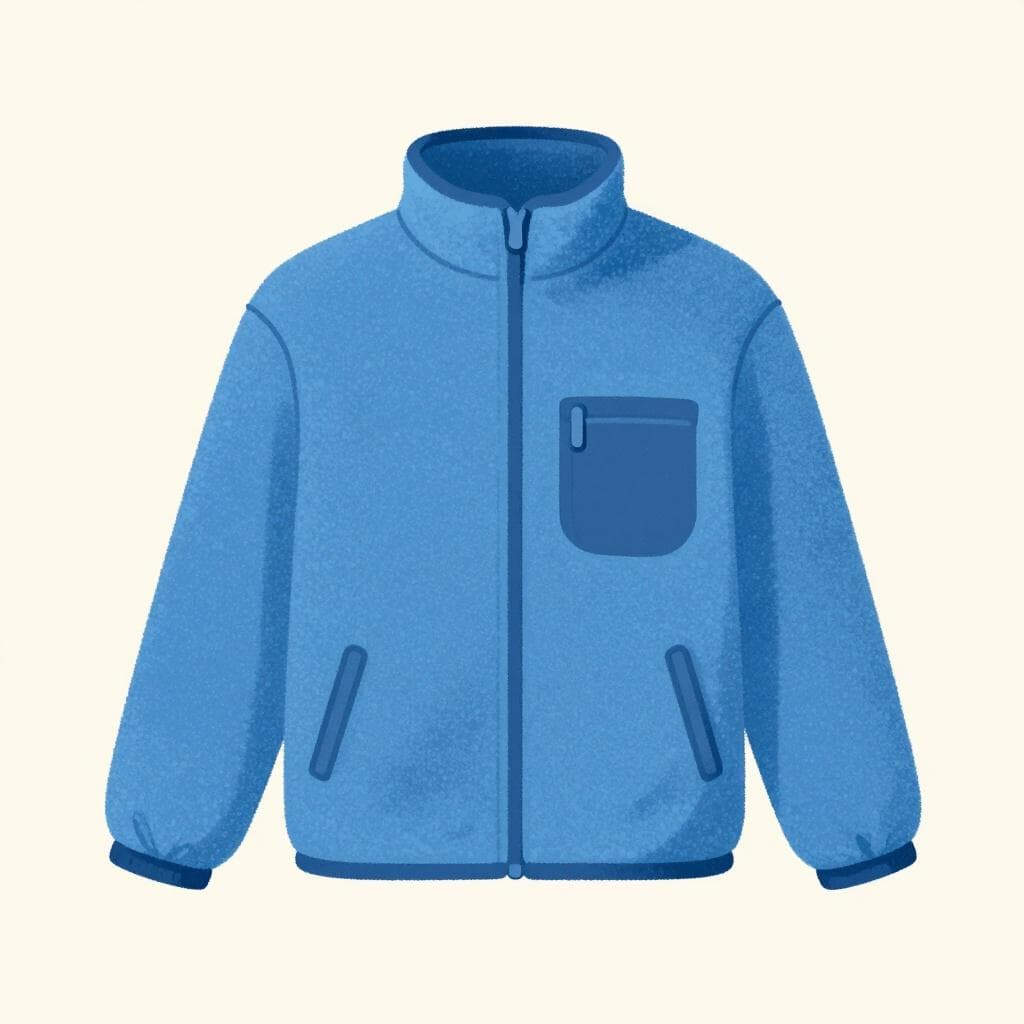
lana
LAH-nahˈla.na

Examples
Necesito un abrigo de lana para el invierno.
I need a wool coat for the winter.
La oveja produce mucha lana cada primavera.
The sheep produces a lot of fleece every spring.
Always Feminine
Even though 'lana' ends in 'a,' it is always used with feminine articles and adjectives: 'la lana,' 'lana gruesa' (thick wool).
Gender Confusion
Mistake: “El lana es suave.”
Correction: La lana es suave. (Remember, it's a feminine word.)
polar
poh-LAHRpoˈlaɾ

Examples
Llevo un polar en la mochila por si refresca.
I'm carrying a fleece in my backpack in case it gets cool.
Este polar es muy suave y abriga mucho.
This fleece is very soft and is very warm.
Using the Word Alone
While you can say 'chaqueta polar' (fleece jacket), most people just say 'el polar' to mean the whole piece of clothing.
Gender confusion
Mistake: “Me puse una polar.”
Correction: Me puse un polar.
Lana vs. Polar
Learn Spanish with Inklingo
Interactive stories, personalized learning, and more.