ponen
“ponen” means “they put” in Spanish. It has 2 different meanings depending on context:
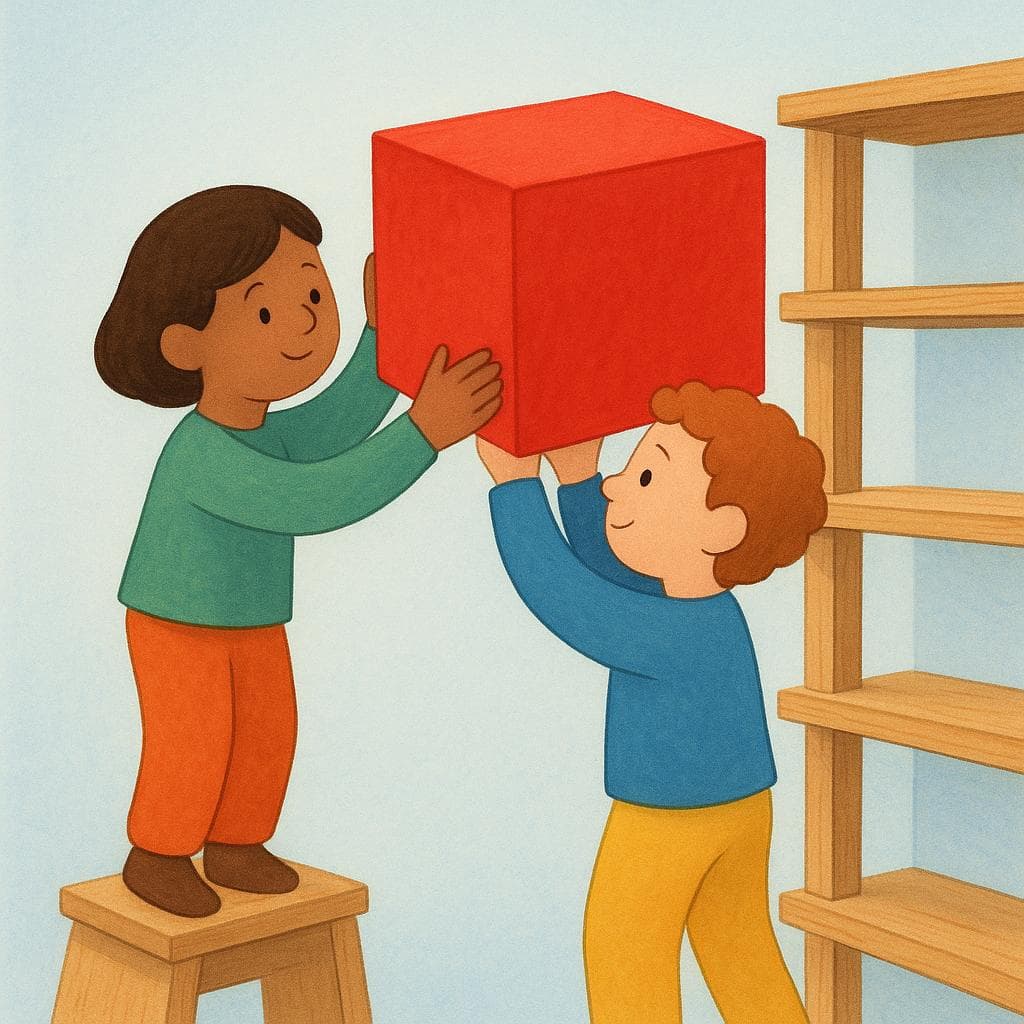

they put, you (plural, formal) put, they place
Also: they set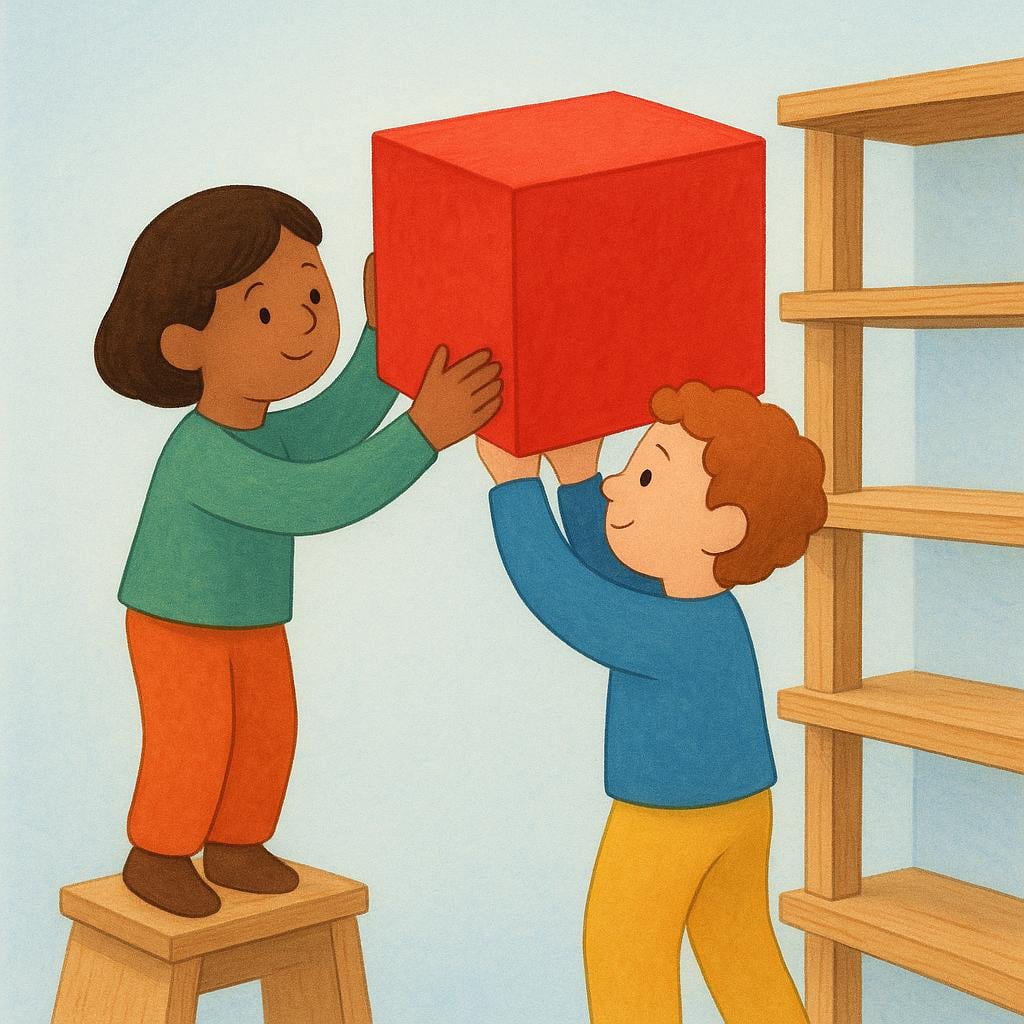
📝 In Action
Ellos siempre ponen los zapatos en la entrada.
A1They always put the shoes in the entrance.
¿Dónde ponen ustedes las llaves?
A1Where do you all (formal) put the keys?
Los meseros ponen los platos sobre la mesa.
A2The waiters place the plates on the table.
they turn on, they play
Also: they broadcast
📝 In Action
Siempre ponen música clásica en este café.
A2They always play classical music in this cafe.
Los niños ponen la televisión tan pronto llegan a casa.
A2The children turn on the TV as soon as they get home.
Ponen un programa de noticias a las nueve.
B1They broadcast a news program at nine.
Indicative
Present
Imperfect
Preterite
Subjunctive
Present Subjunctive
Imperfect Subjunctive
Translate to Spanish
✏️ Quick Practice
Quick Quiz: ponen
Question 1 of 2
Which sentence uses 'ponen' in the context of starting media?
📚 More Resources
👥 Word Family▼
📚 Etymology▼
Comes from the Latin verb *pōnere*, meaning 'to put, place, or lay down.' Its irregular nature in Spanish is inherited from the way it was used and conjugated in Vulgar Latin.
First recorded: Old Spanish (around 10th-11th century)
Cognates (Related words)
💡 Master Spanish
Take your Spanish to the next level. Read 200+ illustrated and narrated Spanish stories tailored to your level with the Inklingo app!
Frequently Asked Questions
Why is 'ponen' used for both 'put' and 'turn on'?
The core idea of 'poner' is 'to place.' When you 'place' the TV signal or a record on a player, it is conceptually similar to placing an object. This meaning extended naturally to starting media or appliances.
How do I know when to use 'ponen' versus 'colocan'?
'Ponen' is the standard, everyday verb for 'put.' 'Colocan' (from the verb 'colocar') is often used when the placement is precise, careful, or more formal, similar to 'to arrange' or 'to position.'