recalcar
“recalcar” means “to emphasize” in Spanish. It has 2 different meanings depending on context:
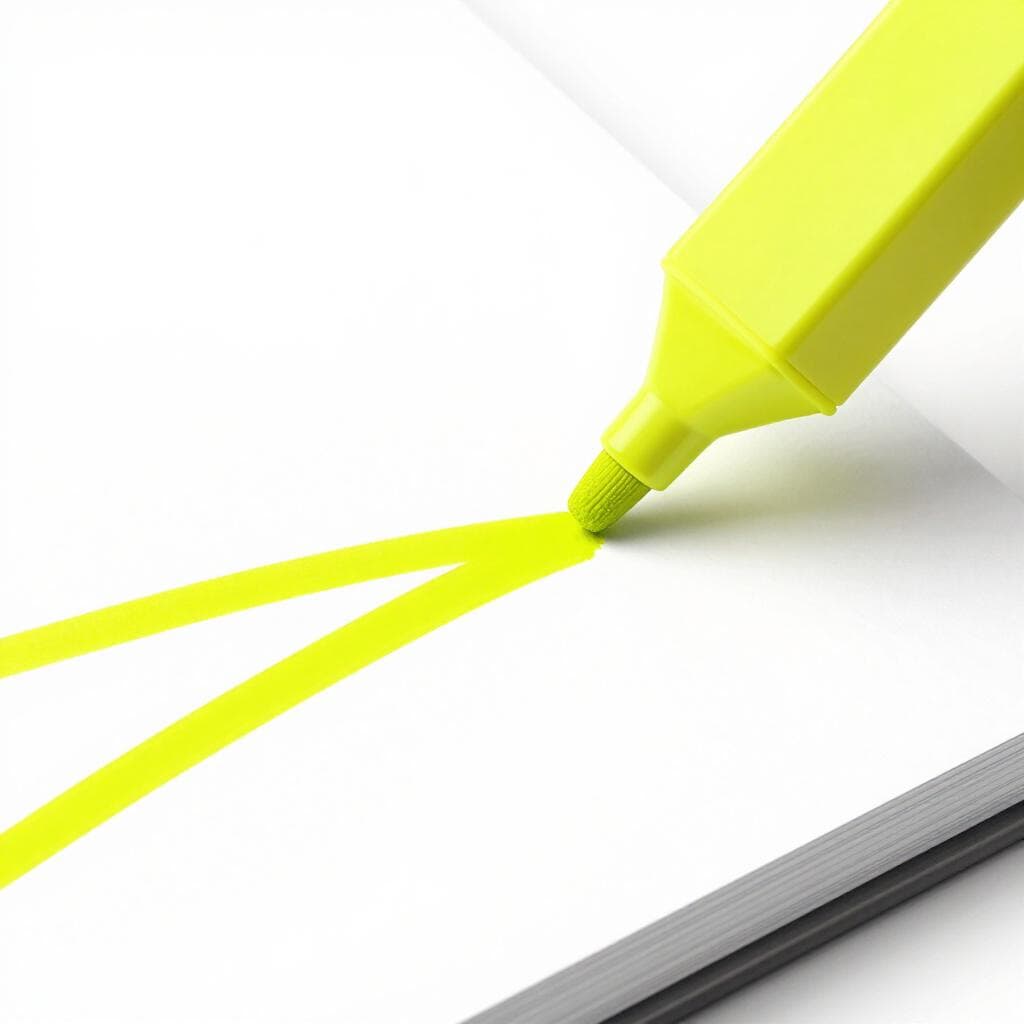

to emphasize
Also: to stress, to underline
📝 In Action
Quiero recalcar que esta es una oportunidad única.
A2I want to emphasize that this is a unique opportunity.
El director recalcó la importancia de trabajar en equipo.
B1The director stressed the importance of working as a team.
No hace falta que lo recalques, ya lo entendí.
B2You don't need to stress it, I already understood.
to reiterate
Also: to hammer home
📝 In Action
Me lo ha recalcado mil veces y sigo sin entender.
B2He has reiterated it to me a thousand times and I still don't understand.
Subjunctive
Imperfect Subjunctive
Present Subjunctive
Indicative
Preterite
Imperfect
Present
Translate to Spanish
✏️ Quick Practice
Quick Quiz: recalcar
Question 1 of 3
Which of the following is the correct 'I' form for the past tense of 'recalcar'?
📚 More Resources
👥 Word Family▼
📚 Etymology▼
Comes from the prefix 're-' (meaning 'again' or 'very') and the verb 'calcar' (to press or trace). Originally, it meant to press down firmly, which evolved into 'pressing' an idea into someone's mind.
First recorded: 13th century
Cognates (Related words)
💡 Master Spanish
Take your Spanish to the next level. Read 200+ illustrated and narrated Spanish stories tailored to your level with the Inklingo app!
Frequently Asked Questions
What is the difference between 'enfatizar' and 'recalcar'?
They are very similar! 'Enfatizar' is a bit more formal and academic, while 'recalcar' is more common in everyday speech and sounds slightly more forceful.
Can 'recalcar' mean 'to trace'?
No, 'calcar' means to trace. 'Recalcar' has moved away from that physical meaning and almost always refers to emphasizing words or ideas.
Is 'recalcar' a regular verb?
Mostly, yes! It only has minor spelling changes (c to qu) in the 'I' form of the past and in the special 'wish/command' forms (subjunctive).