How to Say "besides" in Spanish
The most common Spanish word for “besides” is “además” — use 'además' when you want to add a new, separate piece of information or item to a list, similar to 'in addition' or 'furthermore'.
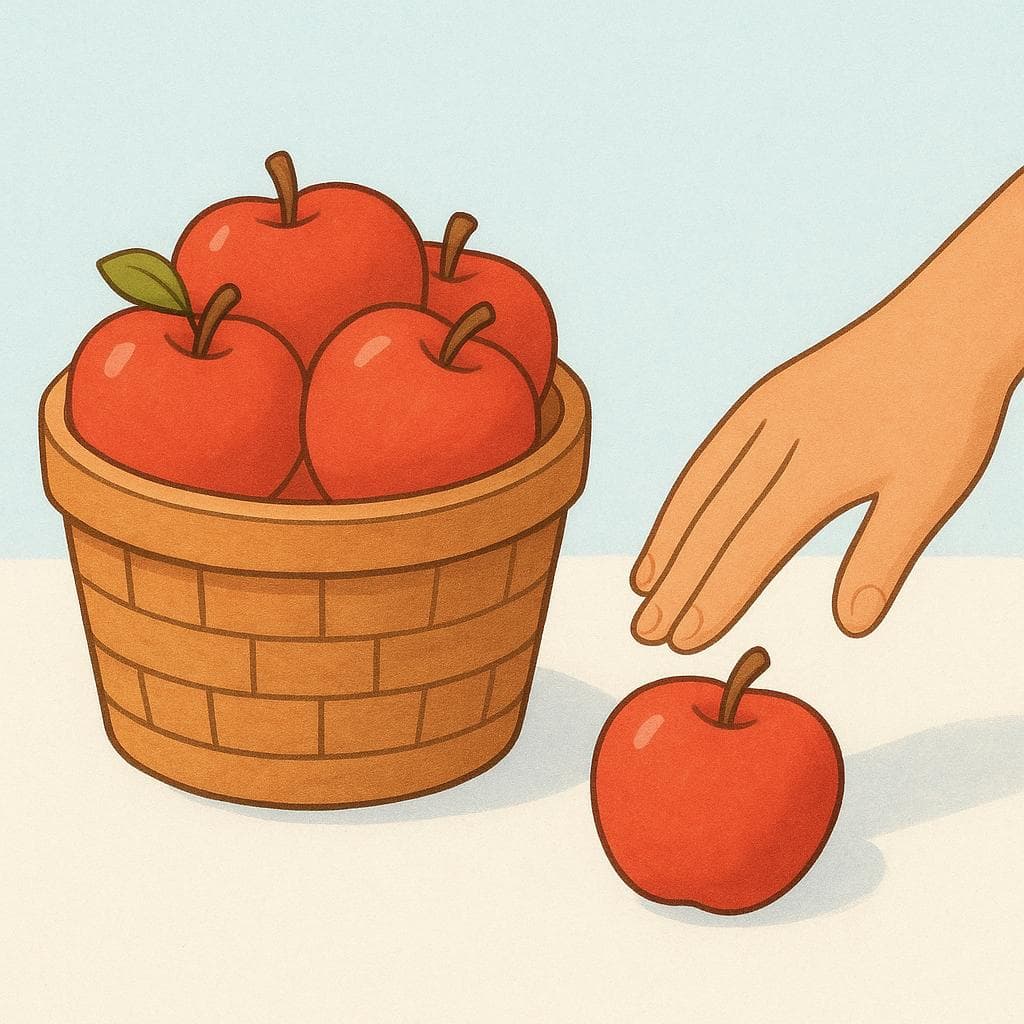

además
Examples
Quiero un café y, además, una galleta.
I want a coffee and, in addition, a cookie.
aparte
ah-PAR-tehaˈpaɾte
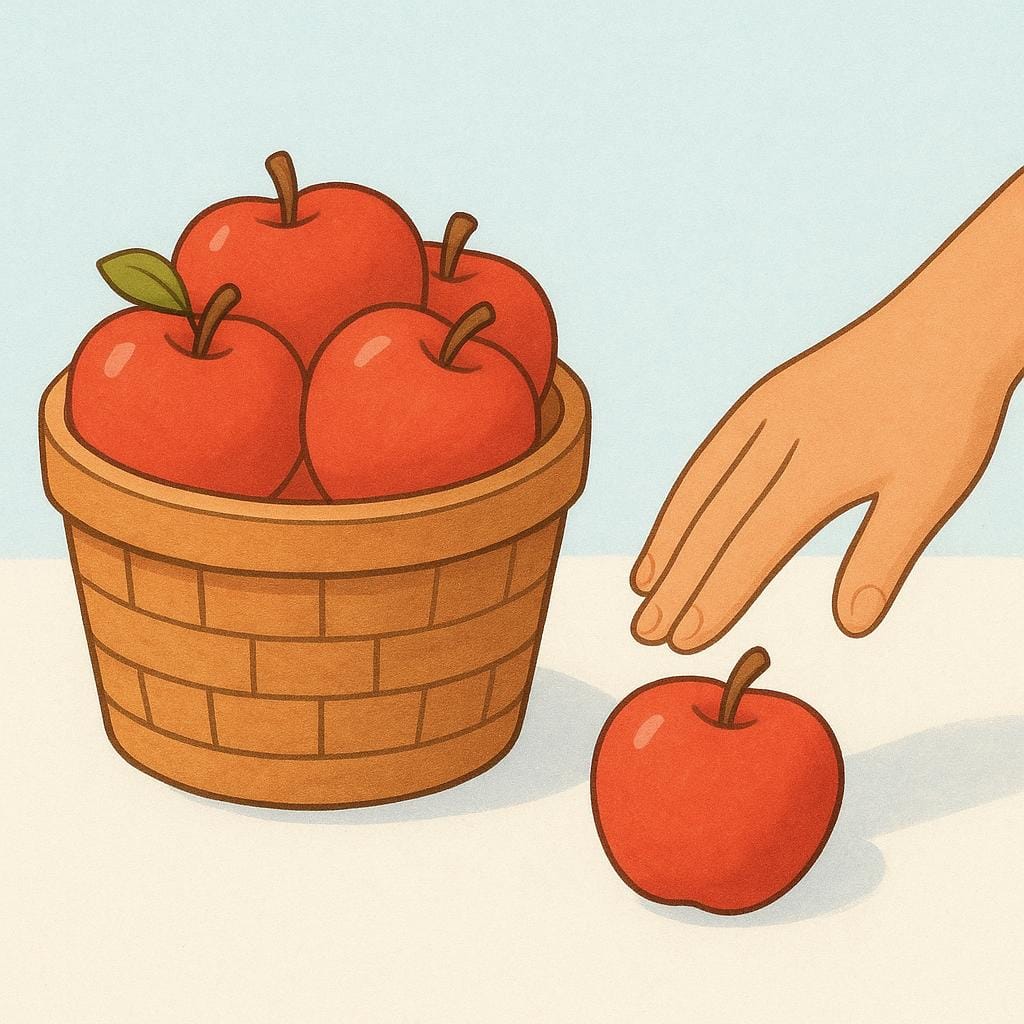
Examples
Por favor, deja tu mochila aparte para que no estorbe.
Please leave your backpack aside so it doesn't get in the way.
Necesito hablar contigo aparte sobre el proyecto.
I need to talk to you separately about the project.
Aparte de la lluvia, el viaje fue perfecto.
Apart from the rain, the trip was perfect.
Using 'Aparte de'
'Aparte de' is a crucial linking phrase that means 'besides' or 'in addition to' when adding things, or 'apart from' when excluding something. It always requires the 'de'.
Confusing 'Aparte' and 'Separado'
Mistake: “Using *'Los libros están muy aparte'* instead of *'Los libros están muy separados'*.”
Correction: While *aparte* means 'aside' (adverb), *separado* (adjective) is better for describing the state of things being physically distant from each other.
encima
/en-THEE-mah/ (Spain) or /en-SEE-mah/ (Latin America)/enˈθi.ma/ (Spain) or /enˈsi.ma/ (Latin America)

Examples
El coche no arranca y, encima, está lloviendo.
The car won't start and, on top of that, it's raining.
Me ayudó con la mudanza y encima me invitó a cenar.
He helped me with the move and, in addition, he bought me dinner.
Trabajo mucho, gano poco y encima mi jefe me grita.
I work a lot, I earn little, and to make matters worse, my boss yells at me.
Connecting Ideas
This 'encima' connects two ideas, where the second one adds something extra or unexpected. It usually appears at the beginning of the second idea, often followed by a comma.
Using it without a first part
Mistake: “Encima, hace frío.”
Correction: Llegué tarde y, encima, hace frío. This meaning of 'encima' needs a previous statement to add on to. You can't just start a conversation with it.
Confusing 'además' with 'encima'
Related Translations
Learn Spanish with Inklingo
Interactive stories, personalized learning, and more.