How to Say "on" in Spanish
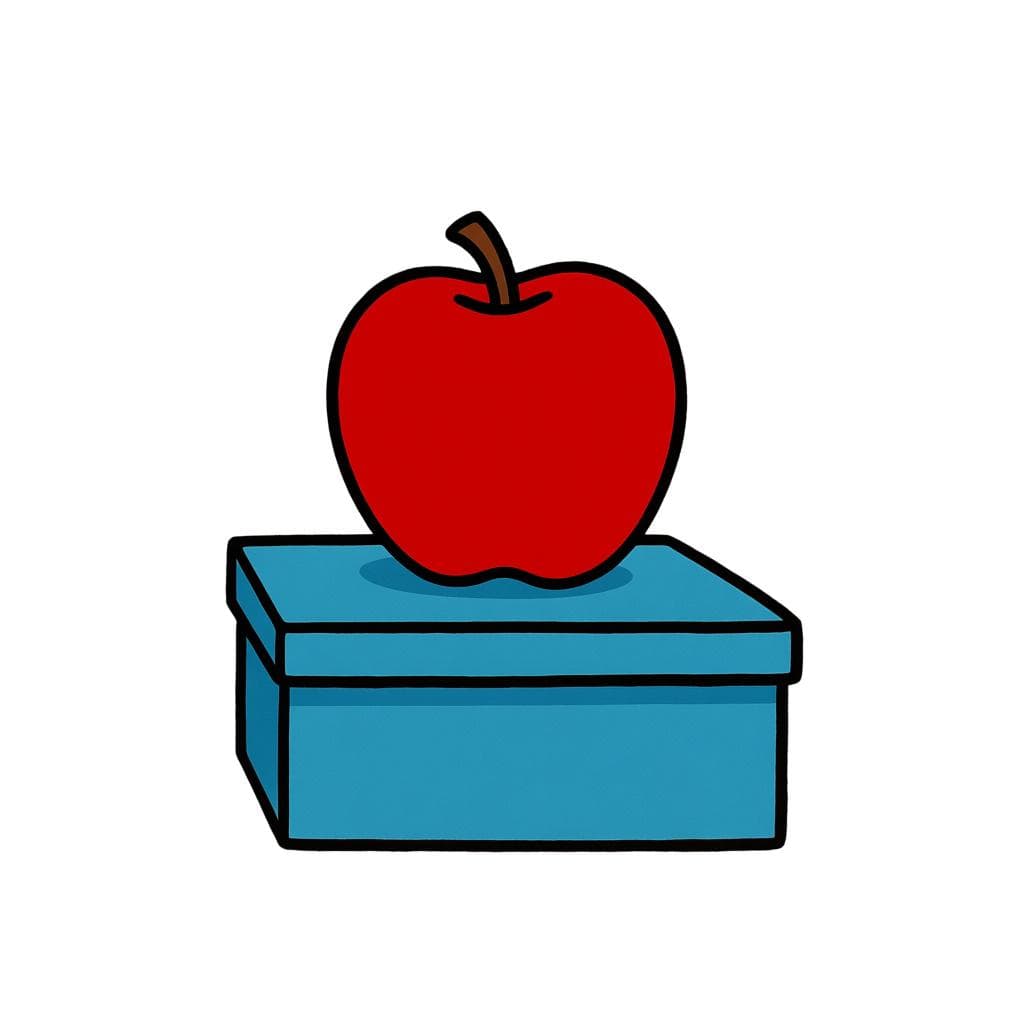
The most common Spanish word for “on” is “en” — use 'en' when indicating a physical location on a surface or within an area, similar to 'in' or 'at'.




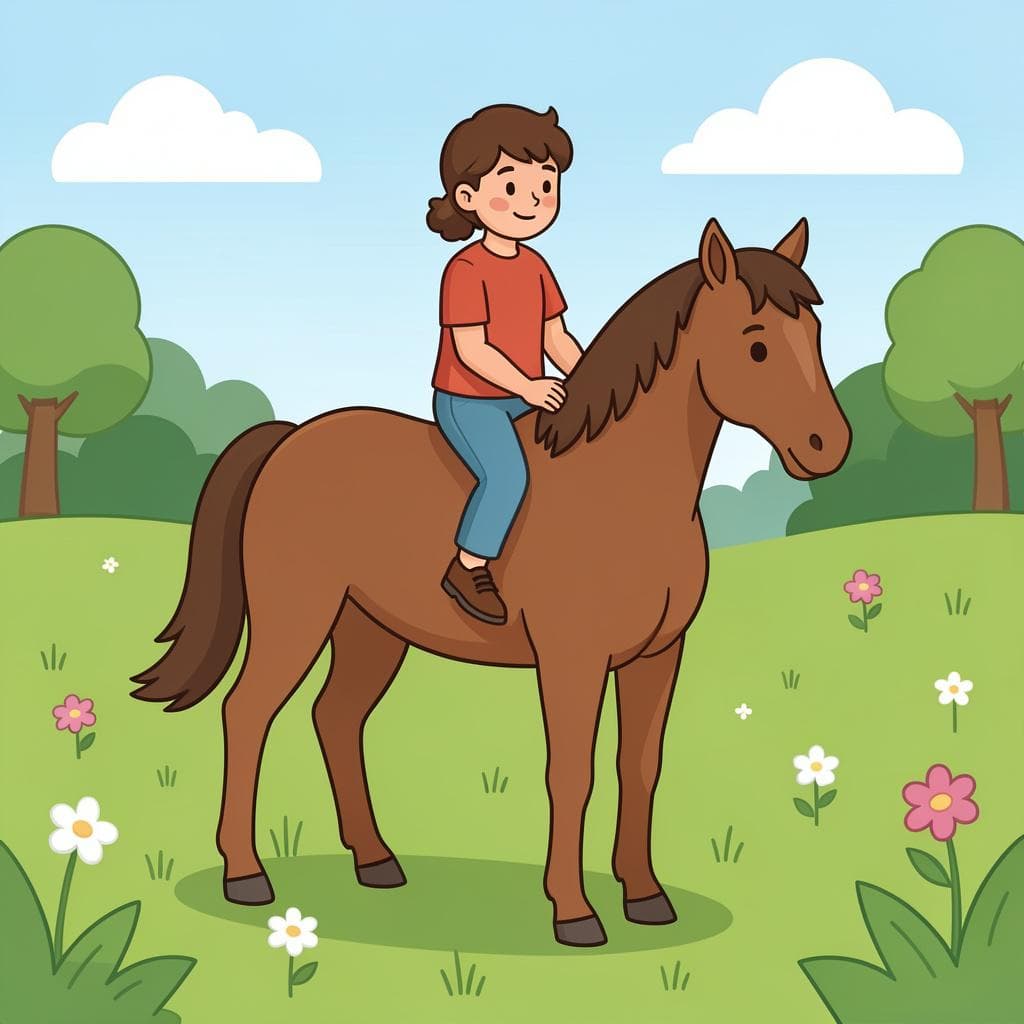

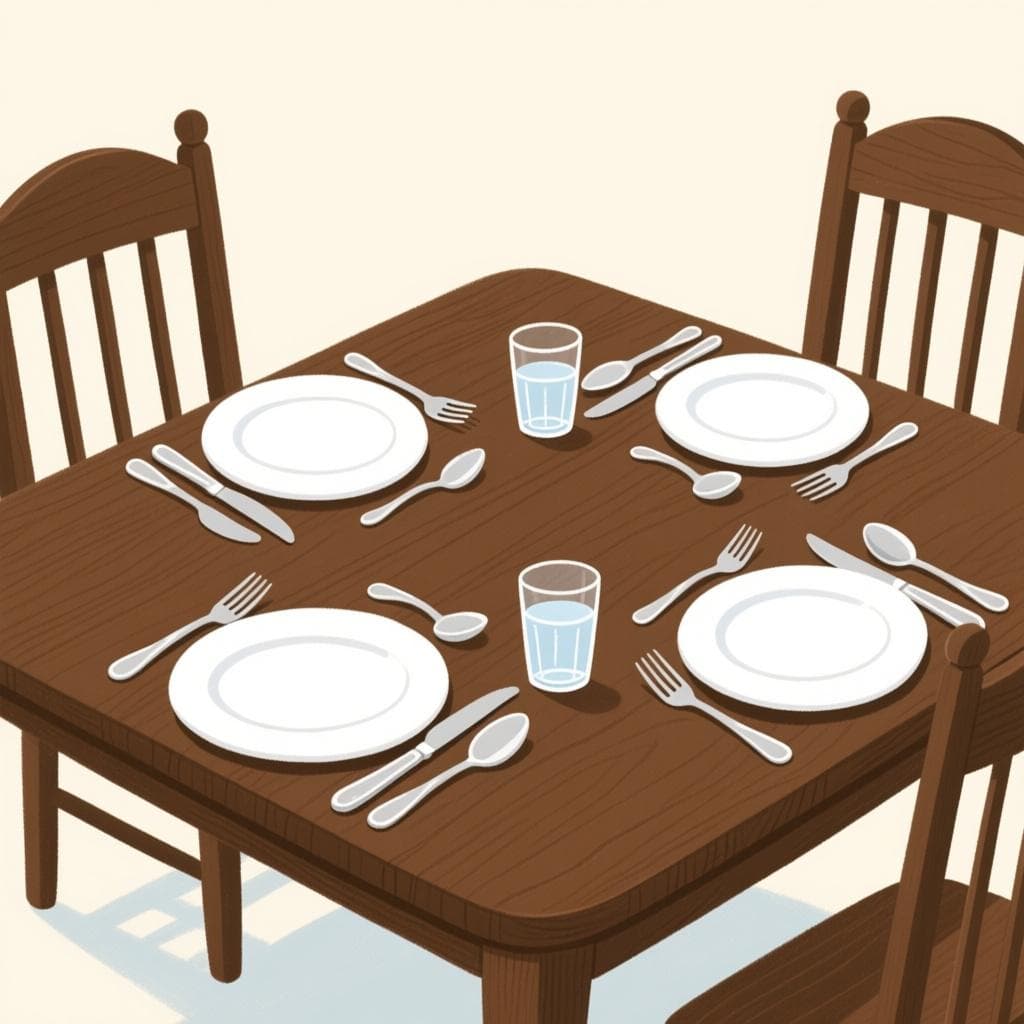
en
enen

Examples
El gato está en el techo.
The cat is on the roof.
El libro está en la mesa.
The book is on the table.
Vivo en una ciudad grande.
I live in a big city.
Mis amigos están en el cine.
My friends are at the movies.
One Word, Three Meanings
In English, you use 'in', 'on', and 'at' for location. Spanish simplifies this by using 'en' for all three. The specific meaning comes from the situation.
Location vs. Movement
Mistake: “Voy a el supermercado. Estoy a el supermercado.”
Correction: Voy al supermercado. Estoy en el supermercado. Use 'a' for movement towards a place, and 'en' when you are already there.
sobre
SO-brayˈso.βɾe

Examples
El libro está sobre la mesa.
The book is on the table.
Es una película sobre la historia de México.
It's a movie about the history of Mexico.
El avión vuela sobre las nubes.
The plane flies over the clouds.
Using 'sobre' for Location
'Sobre' means 'on top of' something. It's similar to 'en' (on/in), but 'sobre' makes it extra clear that the object is resting on the surface. 'El gato está sobre el coche' means the cat is on top of the car.
Using 'sobre' for Topics
When you want to say 'about' a topic, like in a book or conversation, 'sobre' is a great choice. You can often use 'de' in the same way, but 'sobre' sounds a little more specific. For example, 'un libro sobre piratas' (a book about pirates).
'Sobre' vs. 'En'
Mistake: “Using 'en' when you specifically mean 'on top of'.”
Correction: While 'en la mesa' (on the table) is correct, 'sobre la mesa' emphasizes that it's on the surface, not inside a drawer in the table. Use 'sobre' for clarity.
encendido
en-sen-DEE-dohensenˈdiðo
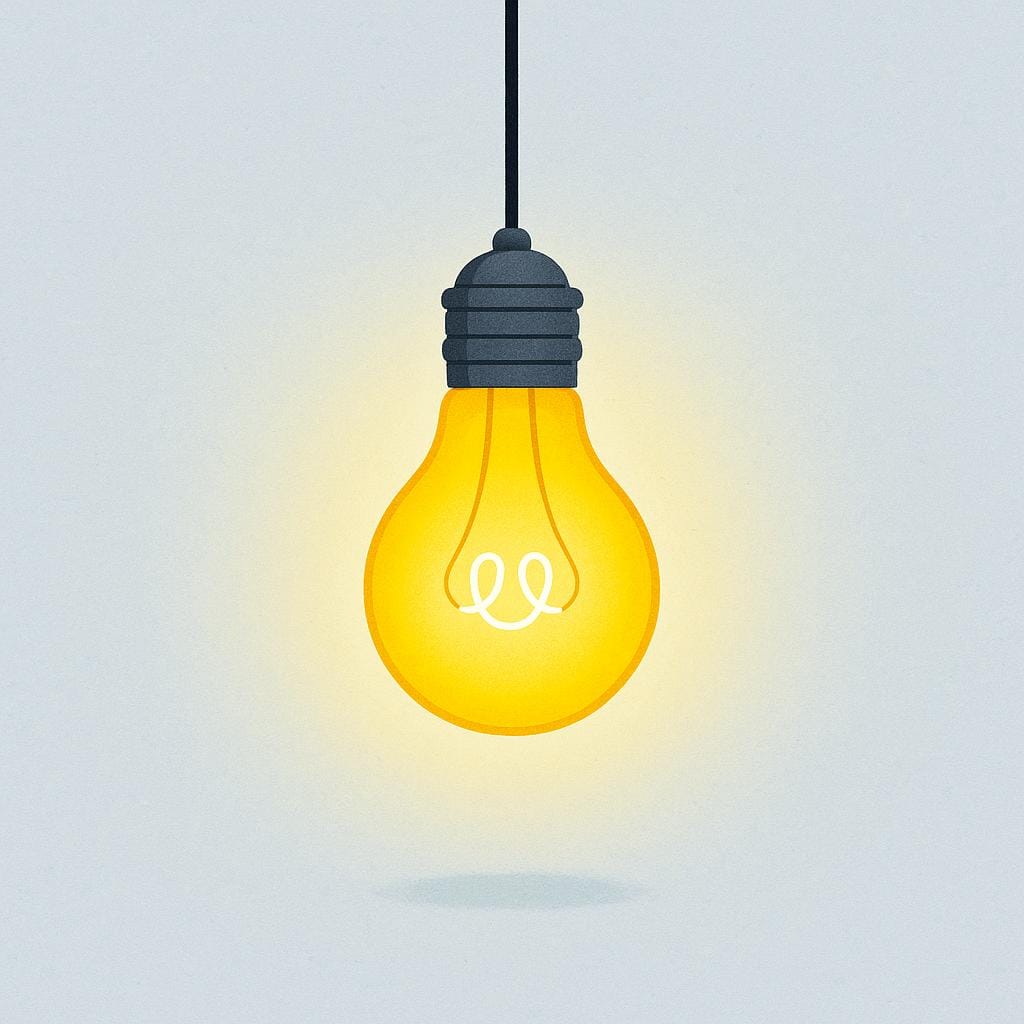
Examples
La televisión sigue encendida, ¿quién la dejó así?
The television is still on, who left it like that?
Las luces de la calle estaban encendidas a medianoche.
The street lights were lit at midnight.
Asegúrate de que el motor no esté encendido antes de revisar el aceite.
Make sure the engine is not running (on) before checking the oil.
Using 'Encendido' as an Adjective
This word is the past form of the verb 'encender' (to turn on), but it is used as a regular adjective. It must match the thing it describes: 'el radio encendido' (masculine), 'la lámpara encendida' (feminine).
Use with Estar
To say something is 'on' or 'lit' right now, always use the verb 'estar' (to be in a state): 'El horno está encendido' (The oven is on).
Confusing 'Ser' and 'Estar'
Mistake: “La luz es encendida.”
Correction: La luz está encendida. Use 'estar' because being 'on' is a temporary state, not a permanent characteristic.
prendido
pren-DEE-dohpɾenˈdiðo
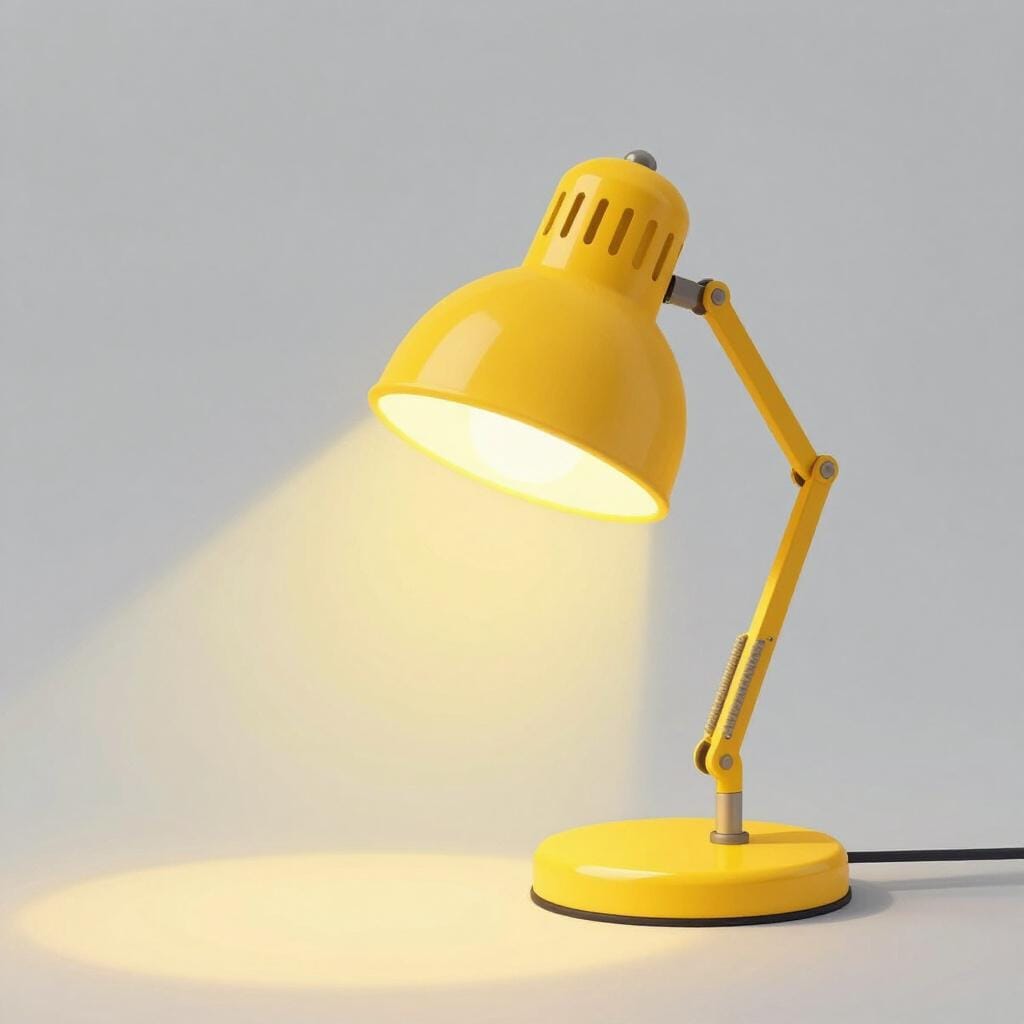
Examples
La luz de la cocina está prendida.
The kitchen light is on.
Dejaste el televisor prendido toda la noche.
You left the TV on all night.
El fuego ya está bien prendido.
The fire is already well lit.
Using with 'Estar'
Use this word with 'estar' when you want to describe the state of something (e.g., 'the light IS on').
Gender Agreement
Remember to change the ending to 'prendida' if the object is feminine, like 'la radio' or 'la luz'.
Confusing with 'en'
Mistake: “La luz está en.”
Correction: La luz está prendida. (In Spanish, you can't just say 'is on' using a preposition; you need an adjective like 'prendido'.)
a
aha

Examples
La reunión es a las tres.
The meeting is at three o'clock.
Lo hizo a mano.
He did it by hand.
Cociné el pollo a la parrilla.
I cooked the chicken on the grill.
Telling Time
Always use 'a' before the hour when saying what time something happens. Remember to use 'la' for one o'clock and 'las' for all other hours: 'a la una', 'a las dos'.
Describing Method
Use 'a' to describe how something is done, similar to 'by' or 'in the style of' in English (e.g., 'a mano' - by hand; 'a la mexicana' - in the Mexican style).
Using 'en' for time
Mistake: “La clase empieza en las ocho.”
Correction: La clase empieza a las ocho. (Use 'a' for specific clock times.)
encima
/en-THEE-mah/ (Spain) or /en-SEE-mah/ (Latin America)/enˈθi.ma/ (Spain) or /enˈsi.ma/ (Latin America)
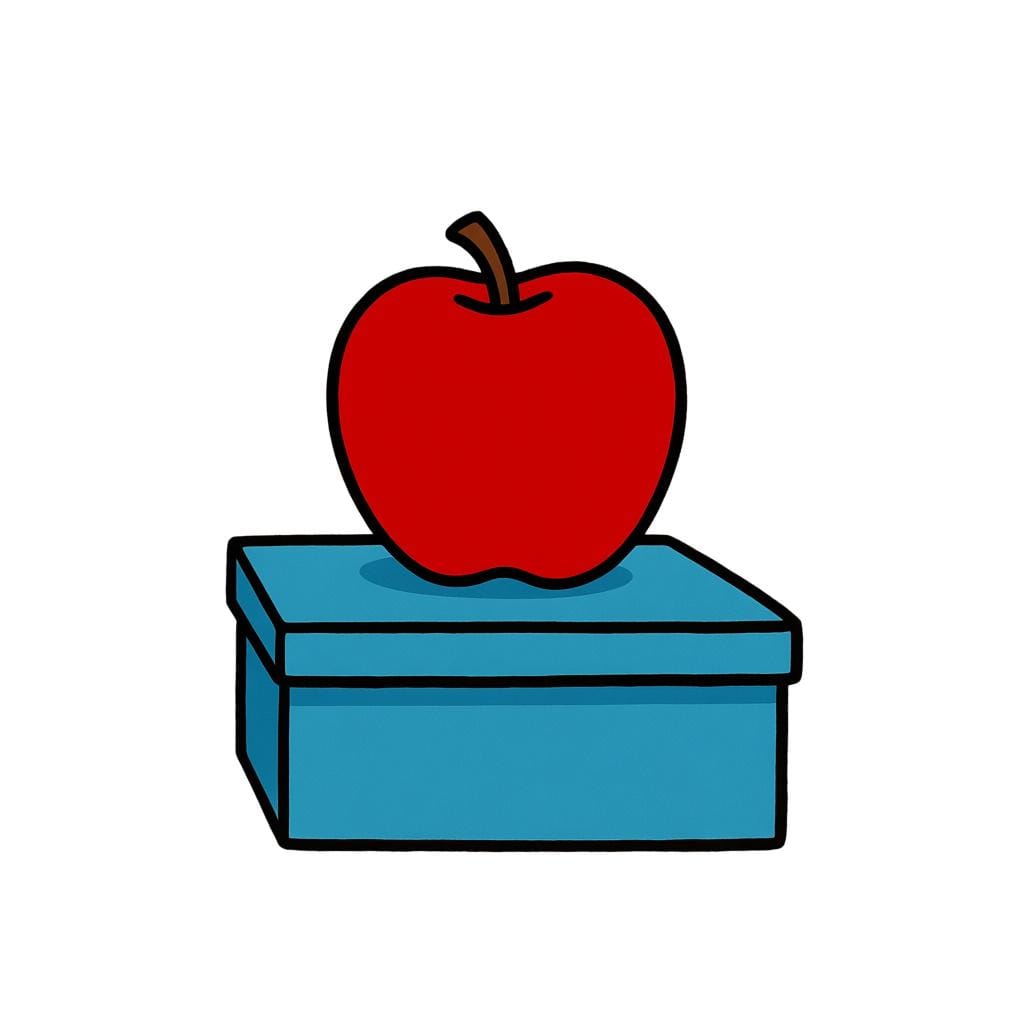
Examples
Las llaves están encima de la mesa.
The keys are on top of the table.
El avión vuela por encima de las nubes.
The plane flies above the clouds.
Ponte la chaqueta por encima, que hace frío.
Put the jacket on over (your clothes), it's cold.
Using 'encima de'
To say something is 'on top of' another thing, you almost always use the pair 'encima de'. For example, 'el libro encima de la mesa' (the book on top of the table).
'Encima' vs. 'Sobre'
For physical location, 'encima de' and 'sobre' are often interchangeable. 'Encima de' usually implies direct contact, while 'sobre' can be a little more general. But don't worry, people will understand you either way!
Not 'en cima'
Mistake: “El gato está en cima del coche.”
Correction: El gato está encima del coche. 'Encima' is always one word when it means 'on top of'. 'Cima' by itself is a noun meaning 'peak' or 'summit'.
de
dehde
Examples
Es una película de amor.
It's a movie about love (a love movie).
Hablamos de política toda la noche.
We talked about politics all night.
Es un documental de la naturaleza.
It's a documentary about nature.
activado
ahk-tee-BAH-dohak.tiˈβa.ðo

Examples
El sistema de seguridad ya está activado.
The security system is already activated.
Tengo el modo de ahorro de batería activado.
I have the battery saver mode on.
El protocolo de emergencia fue activado inmediatamente.
The emergency protocol was triggered immediately.
Describing a State
Use 'activado' with the verb 'estar' when you want to describe a state (the fact that something is currently on).
Matching the Noun
When this word describes a feminine thing (like 'la alarma'), the ending changes to 'activada'. Because this entry is for 'activado', it pairs with masculine things like 'el botón' or 'el sistema'.
Personality vs. Status
Mistake: “Soy un hombre activado.”
Correction: Soy un hombre activo. Use 'activo' for personality/energy, and 'activado' for things that have been switched on.
montado
mohn-TAH-dohmonˈtaðo
Examples
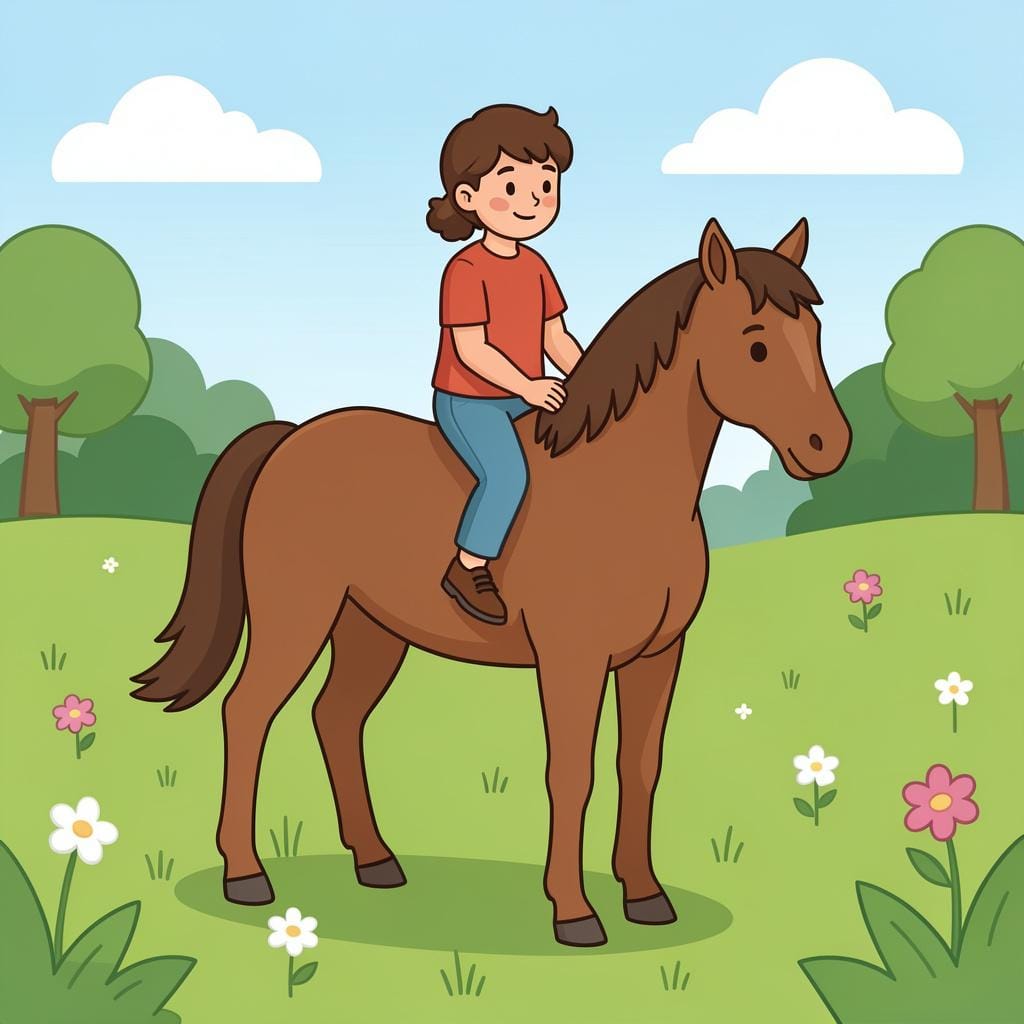
El caballero iba montado en un caballo blanco.
The knight was riding a white horse.
Siempre va montado en su bicicleta nueva.
He is always on his new bicycle.
Matching the Person
This word changes its ending to 'montada' if you are describing a woman or a feminine object, and 'montados/as' for groups.
por
porpoɾ

Examples
Hablamos por teléfono todas las noches.
We talk on the phone every night.
Te enviaré los documentos por correo.
I will send you the documents by mail.
La película fue dirigida por un director famoso.
The movie was directed by a famous director.
Passive Voice
'Por' is used to say who performed the action in a passive sentence. For example, 'El libro fue escrito por ella' (The book was written by her).
Using 'En' for Communication
Mistake: “Learners might say: 'Hablamos en teléfono.'”
Correction: The correct way is: 'Hablamos por teléfono.' Think of the phone as the channel *through which* your voice is traveling.
puesto
PWES-tohˈpwesto
Examples
Ya tienes el abrigo puesto, ¿nos vamos?
You already have your coat on, shall we go?
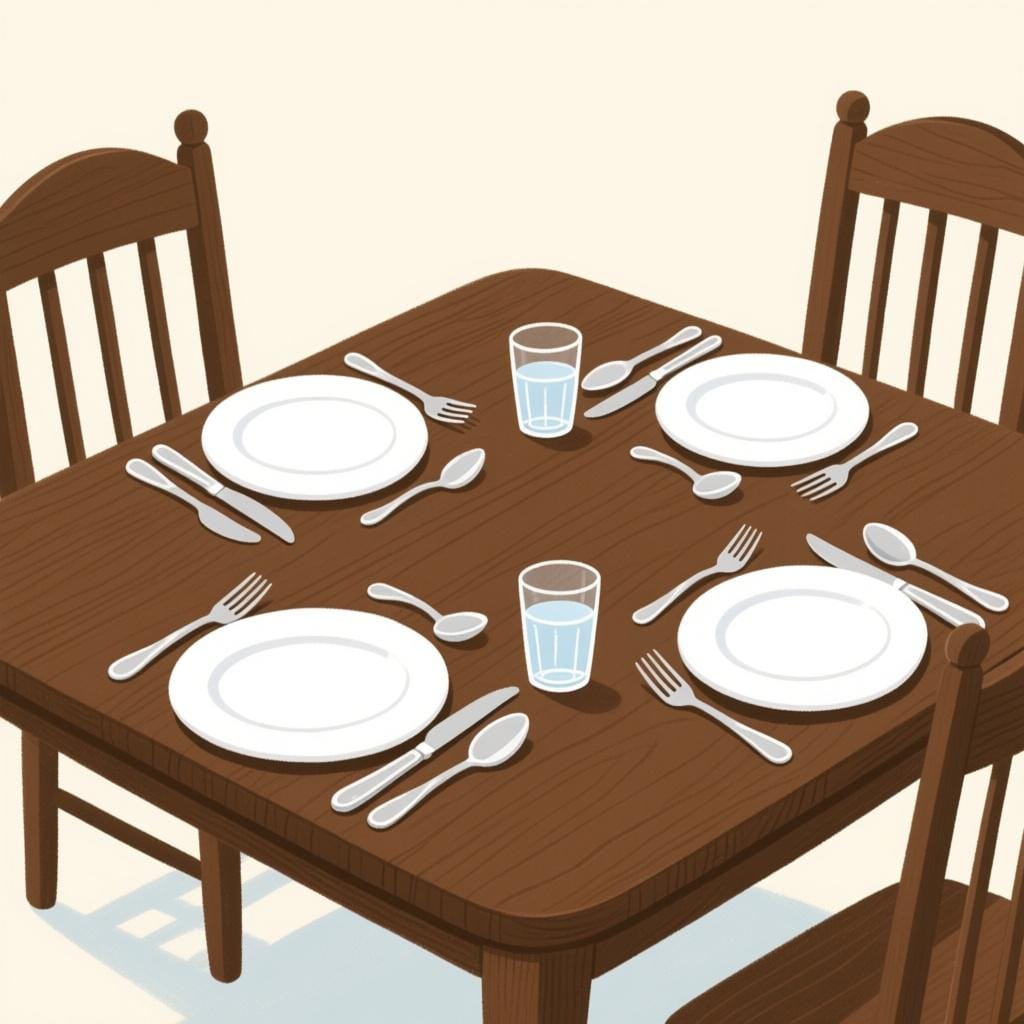
La mesa ya está puesta para la cena.
The table is already set for dinner.
Los libros están puestos en el estante.
The books are placed on the shelf.
Making it Match
As an adjective, 'puesto' must match the person or thing it describes. Use 'puesto' for masculine things, 'puesta' for feminine, 'puestos' for masculine plural, and 'puestas' for feminine plural. For example: 'el abrigo puesto' (the coat on), 'la camisa puesta' (the shirt on).
Where it Goes
This adjective usually comes after the thing it's describing, which is a common pattern in Spanish. You'd say 'la gorra puesta' (the cap on), not 'la puesta gorra'.
Physical Location vs. State of Being
Learn Spanish with Inklingo
Interactive stories, personalized learning, and more.