How to Say "by" in Spanish
The most common Spanish word for “by” is “por” — use 'por' when indicating the means of transport or communication, or when passing near a location.



por
porpoɾ
Examples
Paseamos por la playa.
We walk along the beach.
El gato entró por la ventana.
The cat came in through the window.
¿Hay una farmacia por aquí?
Is there a pharmacy around here?
Hablamos por teléfono todas las noches.
We talk on the phone every night.
Movement in an Area
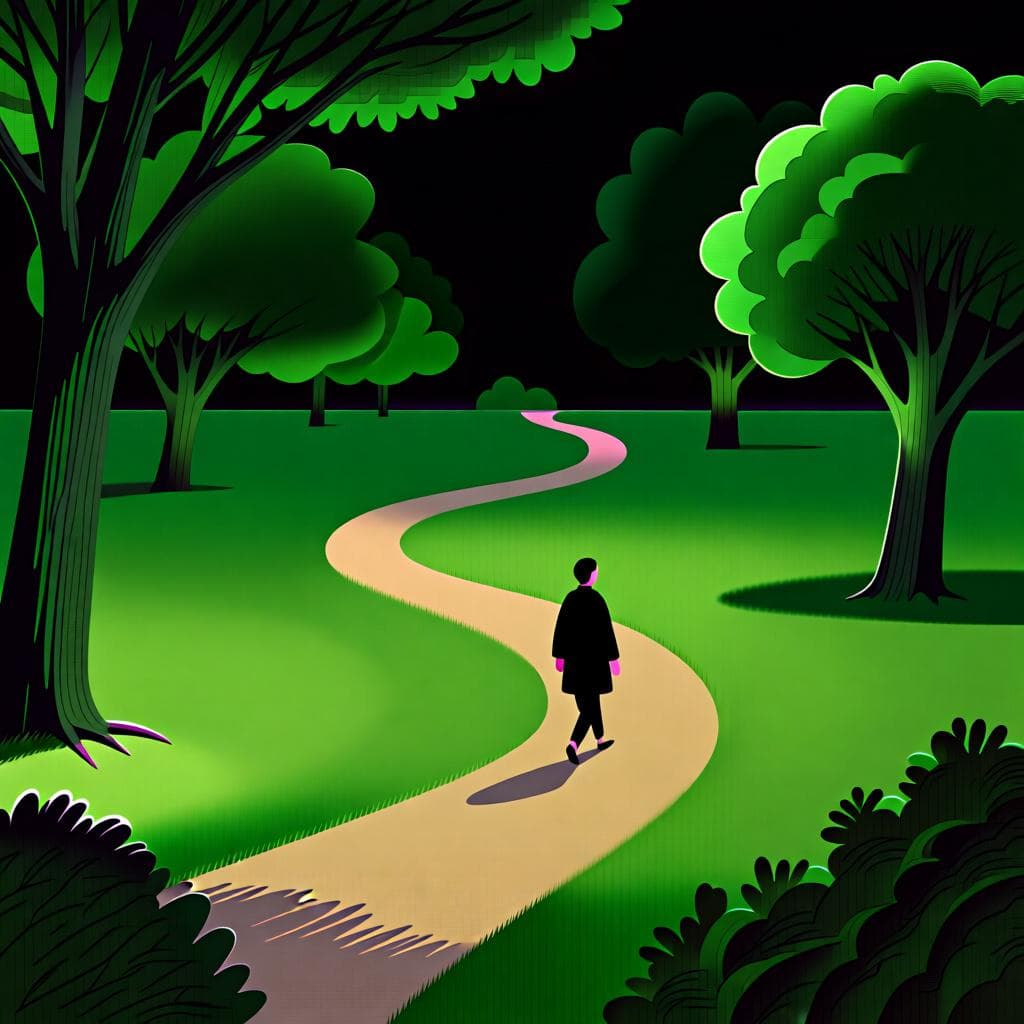
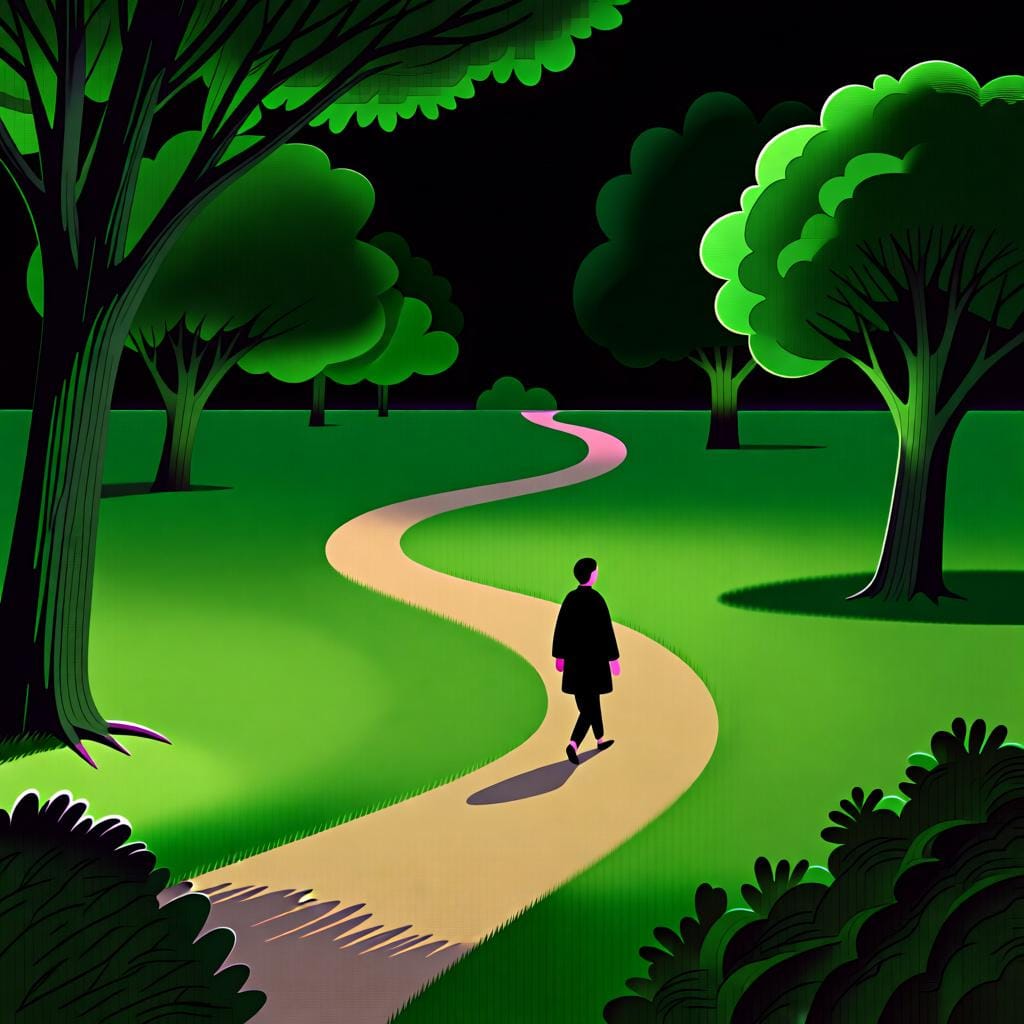
Use 'por' to talk about moving through, along, or around a place. It focuses on the journey or the general area, not the endpoint.
Passive Voice
'Por' is used to say who performed the action in a passive sentence. For example, 'El libro fue escrito por ella' (The book was written by her).
Using 'En' for Movement
Mistake: “A common mix-up is saying: 'Camino en el parque.'”
Correction: The correct phrase is: 'Camino por el parque.' Saying 'en el parque' means you are located *inside* the park (maybe sitting on a bench), while 'por el parque' describes the action of moving *through* it.
Using 'En' for Communication
Mistake: “Learners might say: 'Hablamos en teléfono.'”
Correction: The correct way is: 'Hablamos por teléfono.' Think of the phone as the channel *through which* your voice is traveling.
para
PAH-rahˈpaɾa
Examples
La tarea es para el lunes.
The homework is for (due on) Monday.
Necesito el informe para el viernes a las 5.
I need the report by Friday at 5.
Tengo que terminar esto para mañana.
I have to finish this by tomorrow.
Setting Deadlines
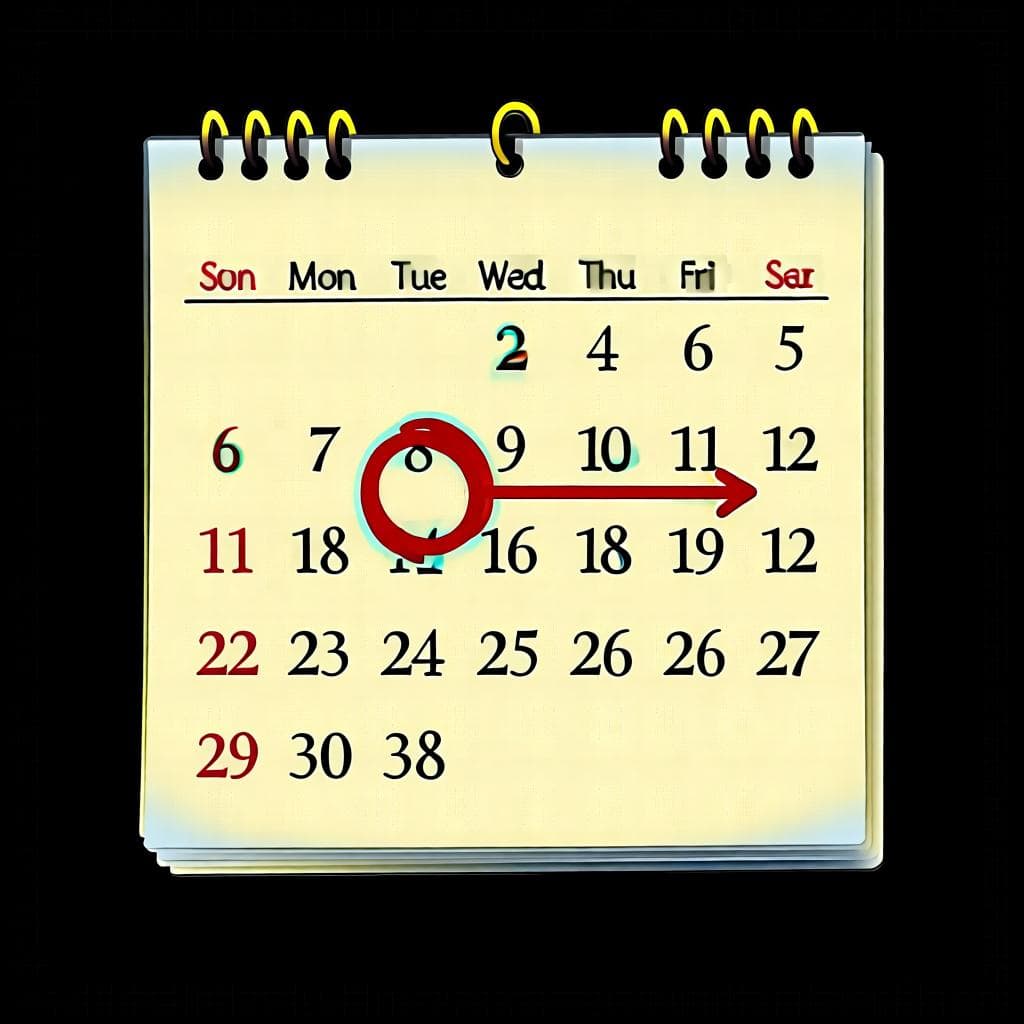
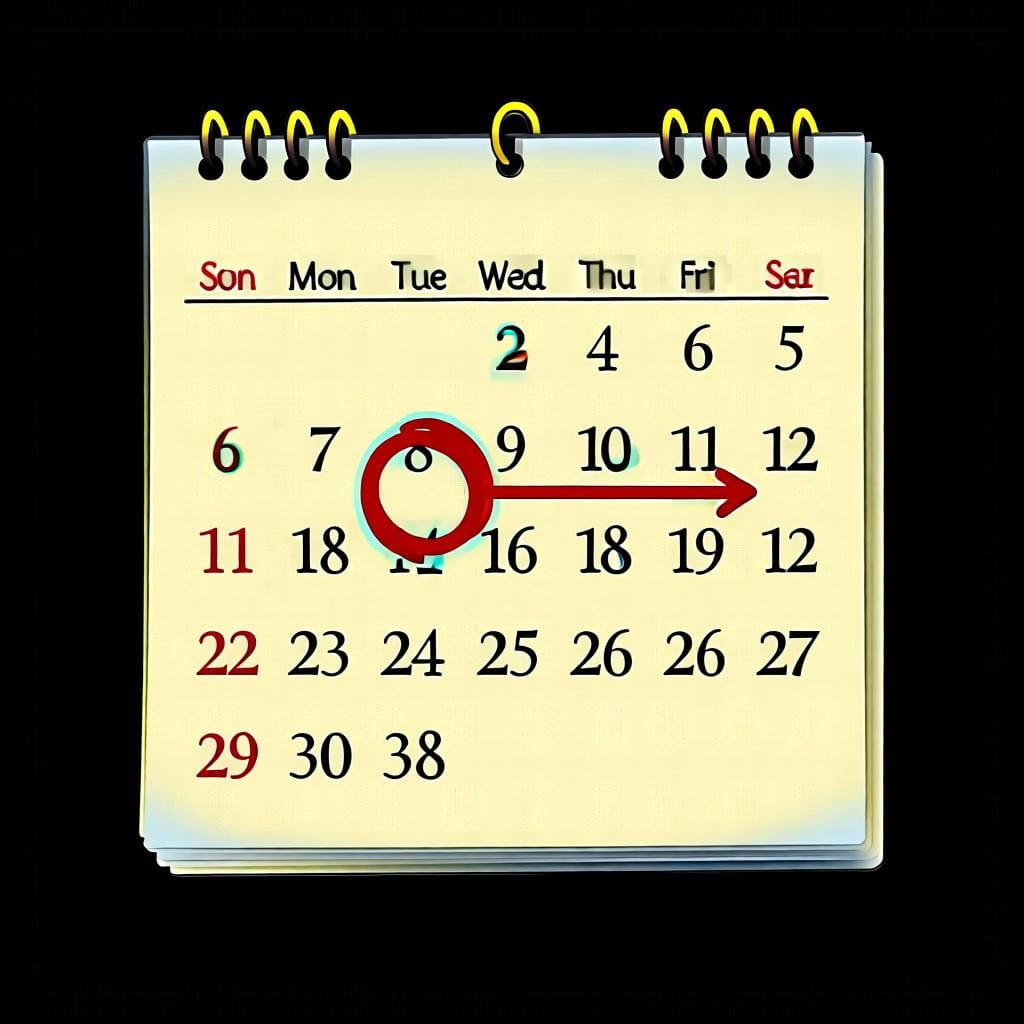
When you want to say when something is due, use 'para' followed by the day, date, or time.
Deadline vs. Duration
Mistake: “Estudié para tres horas.”
Correction: Estudié por tres horas. Use 'por' to talk about how long you did something (duration). Use 'para' for a future deadline.
a
aha

Examples
La reunión es a las tres.
The meeting is at three o'clock.
Lo hizo a mano.
He did it by hand.
Cociné el pollo a la parrilla.
I cooked the chicken on the grill.
Telling Time
Always use 'a' before the hour when saying what time something happens. Remember to use 'la' for one o'clock and 'las' for all other hours: 'a la una', 'a las dos'.
Describing Method
Use 'a' to describe how something is done, similar to 'by' or 'in the style of' in English (e.g., 'a mano' - by hand; 'a la mexicana' - in the Mexican style).
Using 'en' for time
Mistake: “La clase empieza en las ocho.”
Correction: La clase empieza a las ocho. (Use 'a' for specific clock times.)
en
enen

Examples
Siempre viajo en tren.
I always travel by train.
Por favor, habla en español.
Please, speak in Spanish.
Lo dijo en serio.
He said it seriously.
Describing 'How'
Besides location and time, 'en' can describe the method or manner. This is very common for modes of transport (en coche, en tren) where English uses 'by'.
Walking or Horseback
Mistake: “Voy en pie. / Voy en caballo.”
Correction: Voy a pie. / Voy a caballo. While most transportation uses 'en', for walking or riding a horse, you use 'a'.
pa
pahpa

Examples
¿Tienes dinero pa' comprar eso?
Do you have money to buy that?
Voy pa' la casa de mi abuela.
I'm going to my grandma's house.
Esto es pa' ti, lo hice con cariño.
This is for you, I made it with love.
What 'pa' means
"Pa" is a quick, casual way of saying the preposition "para," which means "for," "to," or "in order to." Think of it like saying "gonna" instead of "going to" in English.
Use in Formal Settings
Mistake: “Escribir 'pa' en un ensayo o correo electrónico formal.”
Correction: Always use the full form 'para' in any written text or formal conversation. 'Pa' is strictly for quick, casual speaking.
Choosing between 'por' and 'en' for transport
Learn Spanish with Inklingo
Interactive stories, personalized learning, and more.