How to Say "towards" in Spanish
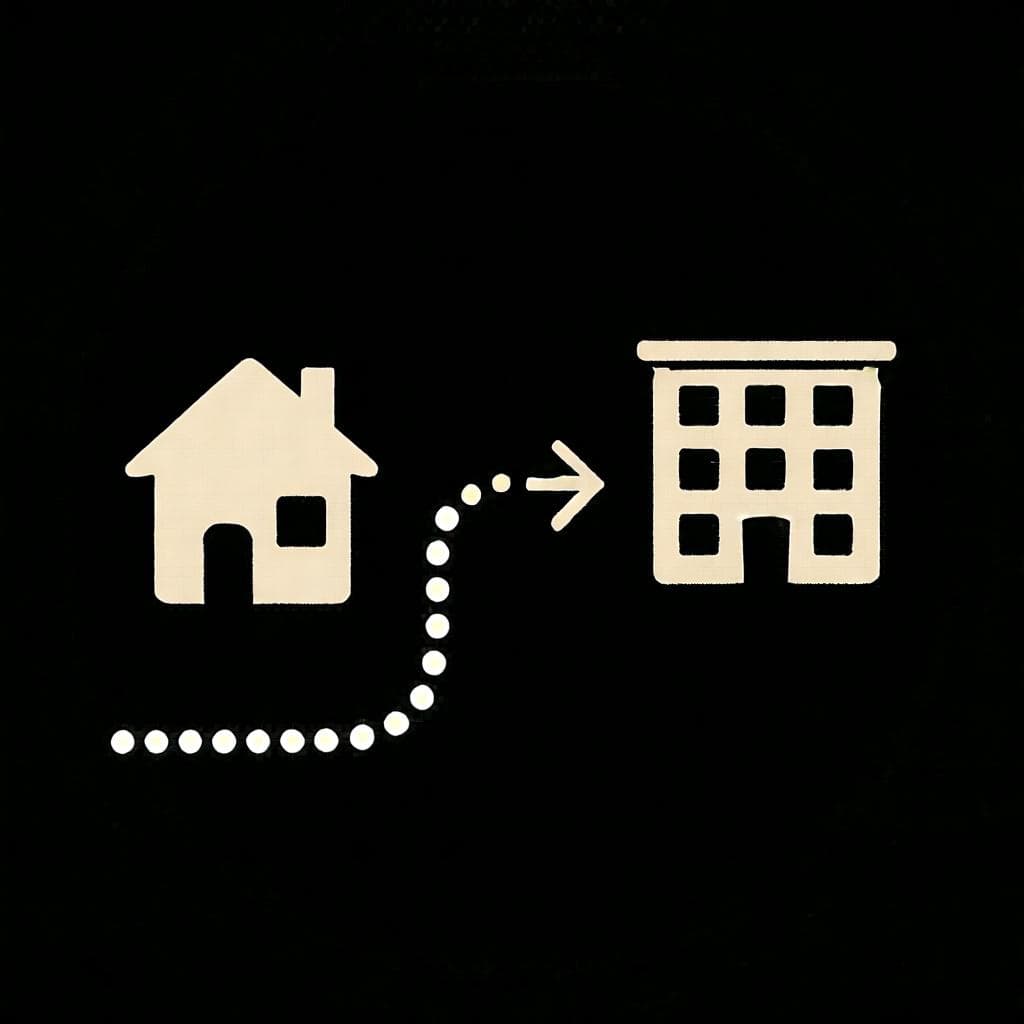
The most common Spanish word for “towards” is “a” — use 'a' when indicating general movement in the direction of a place or person, often implying arrival but not necessarily the ultimate goal.

a
aha

Examples
Camino a la escuela.
I am walking towards school.
Voy a la tienda.
I am going to the store.
Llegamos a Madrid ayer.
We arrived in Madrid yesterday.
El niño se acercó a su madre.
The boy approached his mother.
Direction and Destination
Use 'a' when expressing movement toward a physical place or goal. Think of it as the opposite of 'de' (from).
Contraction 'al'
If 'a' is followed by the masculine article 'el' (the), they must combine to form 'al'. Example: Voy al cine (I go to the cinema). This is mandatory.
Forgetting 'al'
Mistake: “Voy a el parque.”
Correction: Voy al parque. (The contraction 'al' is required when 'a' meets 'el'.)
para
PAH-rahˈpaɾa

Examples
Este tren va para Madrid.
This train is going towards Madrid.
Salgo para la oficina en cinco minutos.
I'm leaving for the office in five minutes.
Vamos para la playa este fin de semana.
We are going to the beach this weekend.
Setting a Destination
Use 'para' to talk about the final destination of a journey. While 'a' also means 'to', 'para' often emphasizes the endpoint of the trip.
Direction vs. Destination
Mistake: “Camino para el parque. (If you just mean you're walking in that direction).”
Correction: Camino hacia el parque. Use 'hacia' for 'towards' a general direction. Use 'para' when the park is your final, intended stop.
'A' vs. 'Para' for Direction
Learn Spanish with Inklingo
Interactive stories, personalized learning, and more.