How to Say "cheapskate" in Spanish
The most common Spanish word for “cheapskate” is “rata” — use 'rata' when referring to someone who is being stingy in a specific situation, often implying they are being ungenerous or selfish with money, especially in shared expenses.
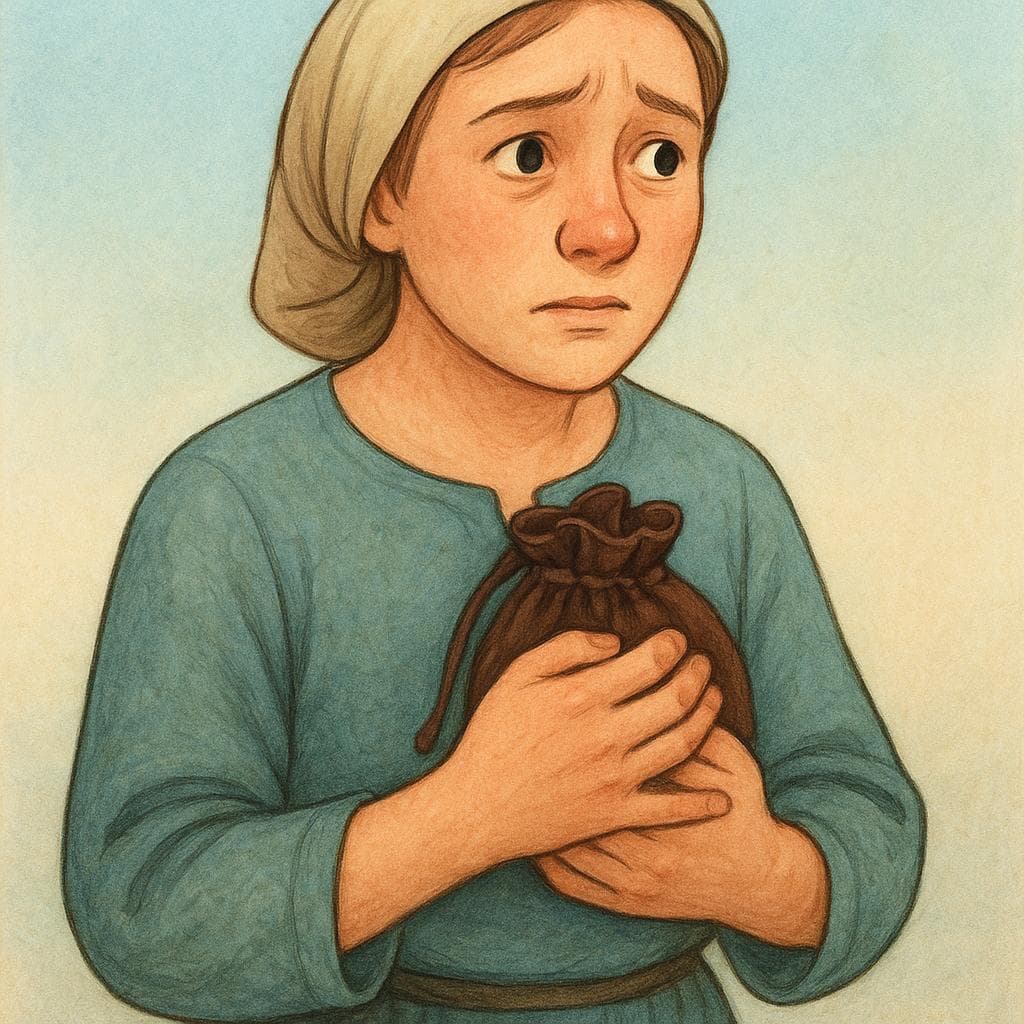
rata
RAH-tahˈra.ta
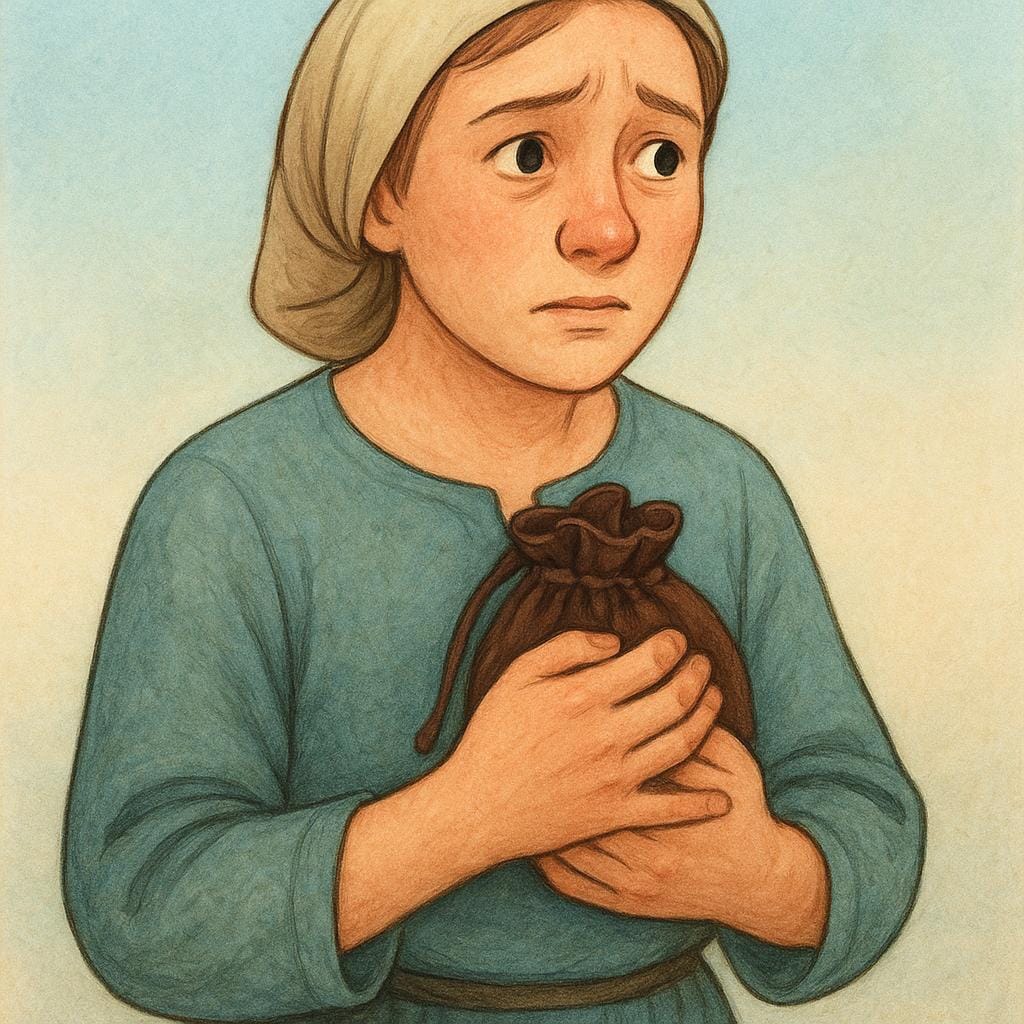
Examples
No seas rata y paga la mitad de la cuenta.
Don't be a cheapskate and pay half the bill.
Ese político es una rata; solo piensa en robar.
That politician is a crook; he only thinks about stealing.
Referring to People
When used to describe a person, 'rata' is grammatically feminine (it takes 'la' or 'una'), but it can refer to a man or a woman.
Using the Masculine Form
Mistake: “Using *rato* instead of *rata* when insulting someone.”
Correction: The insult is always *rata*. *Rato* means 'a while' or 'a moment' and has a totally different meaning.
tacaño
Examples
Ese tacaño no quiso pagar su parte de la cena.
That cheapskate didn't want to pay his share of the dinner.
Rata vs. Tacaño
Related Translations
Learn Spanish with Inklingo
Interactive stories, personalized learning, and more.