How to Say "demise" in Spanish
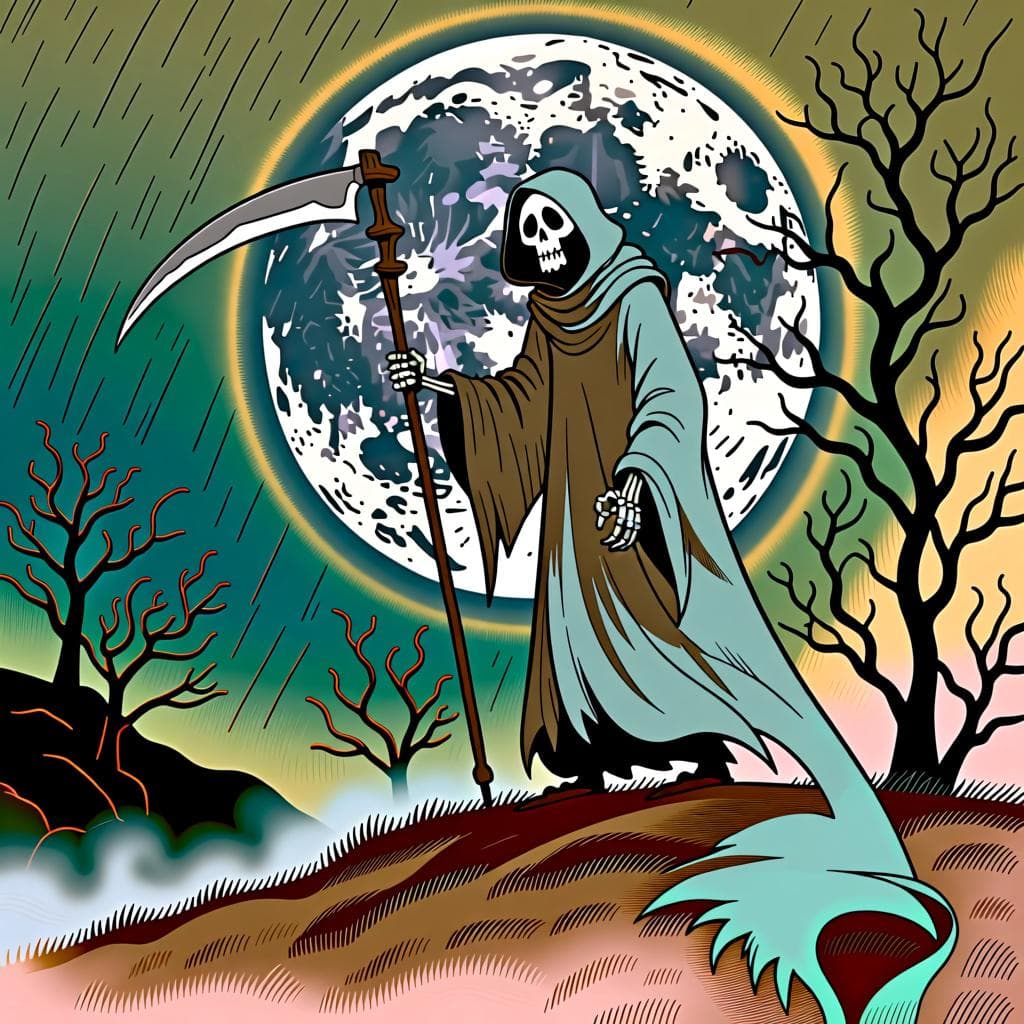
The most common Spanish word for “demise” is “muerte” — use 'muerte' for a general and neutral term for death, applicable in most everyday contexts and discussions about mortality.

muerte
MWER-tehˈmweɾte
Examples
La muerte de su abuelo fue un momento difícil.
The death of his grandfather was a difficult time.
La muerte es una parte natural de la vida.
Death is a natural part of life.
Le tiene miedo a la muerte.
He is afraid of death.
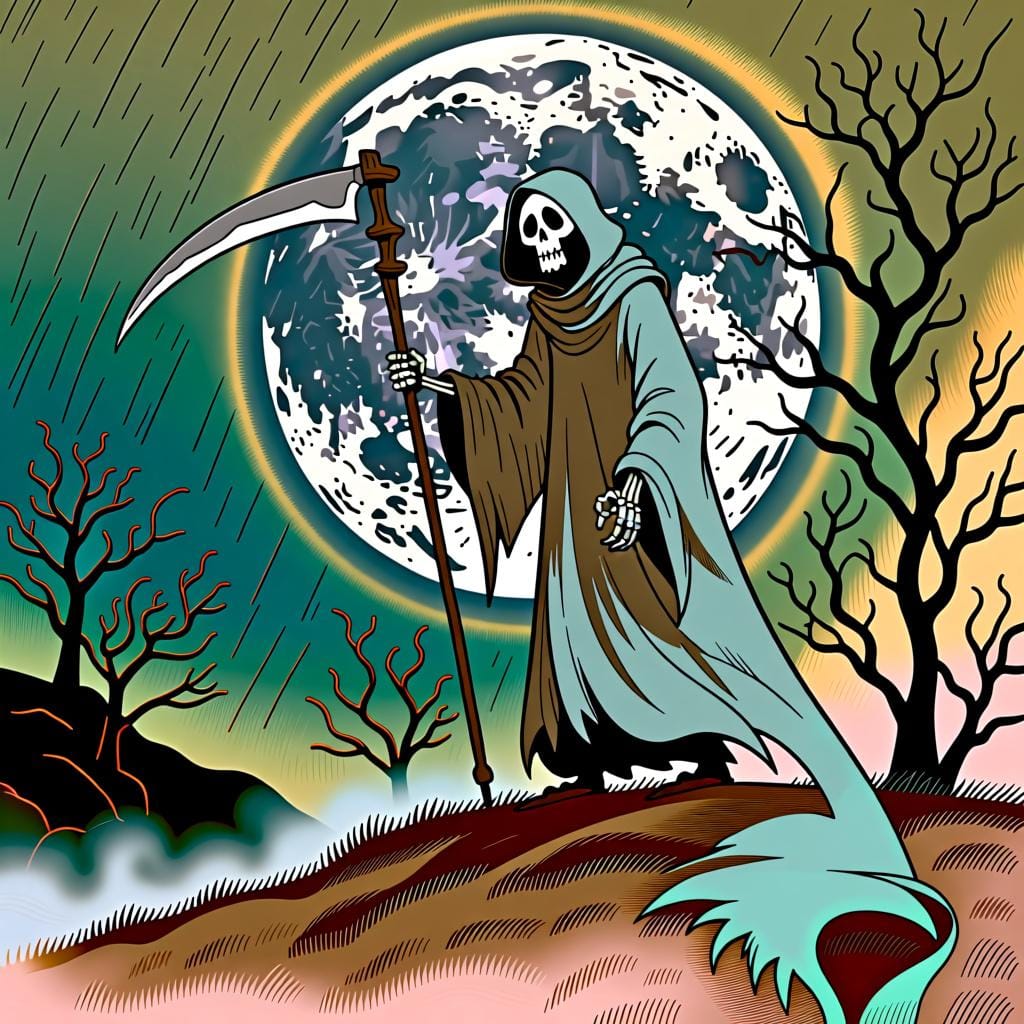
En el cuadro, la Muerte juega al ajedrez con un caballero.
In the painting, Death plays chess with a knight.
Gender of 'Muerte'
Even though it ends in '-e', 'muerte' is a feminine word. Always remember to use 'la muerte' or 'una muerte'.
Describing Someone Who Has Died
Mistake: “La persona es muerte.”
Correction: La persona está muerta. To say someone is dead, you use the verb 'estar' with the adjective 'muerto/a', not the noun 'muerte'.
fallecimiento
fa-ye-see-MYEN-tohfaʝesiˈmjento

Examples
El periódico anunció el fallecimiento del artista.
The newspaper announced the passing of the artist.
Lamentamos informar el fallecimiento del reconocido actor.
We regret to inform you of the passing of the well-known actor.
La familia anunció el fallecimiento a través de las redes sociales.
The family announced the death through social media.
Necesitamos el acta de fallecimiento para completar el trámite.
We need the death certificate to complete the paperwork.
A Formal Alternative
Think of this word as the formal equivalent to 'muerte.' Use it when you want to be respectful, like in a letter or a news report.
It is a Masculine Noun
Since it ends in -o, it is masculine. Use 'el' or 'un' with it: 'el fallecimiento,' never 'la fallecimiento.'
Fallecimiento vs. Fallo
Mistake: “Using 'fallo' to mean death.”
Correction: Use 'fallecimiento' for death. 'Fallo' usually means a 'mistake' or a 'legal ruling.'
Usage with Pets
Mistake: “Using 'fallecimiento' for a dog or cat.”
Correction: While understandable, it sounds very strange. For animals, it's better to use 'muerte' (death).
Formal vs. General Term for Death
Learn Spanish with Inklingo
Interactive stories, personalized learning, and more.