How to Say "dirt" in Spanish
The most common Spanish word for “dirt” is “tierra” — use 'tierra' when referring to the natural, earthy material that plants grow in, or the ground itself.

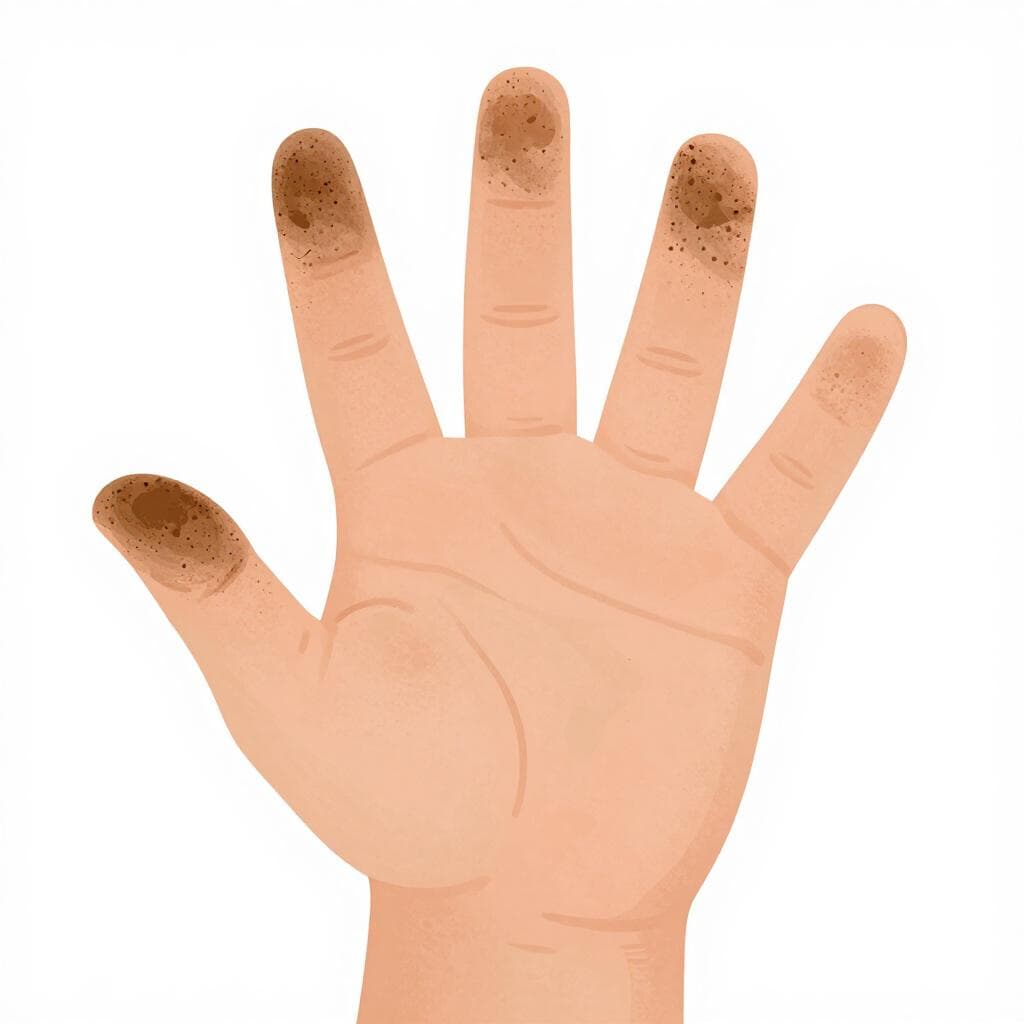
tierra
TYEH-rrahˈtjera

Examples
Las semillas necesitan tierra para crecer.
Seeds need soil to grow.
Las flores crecen en la tierra.
The flowers grow in the soil.
El niño se sentó en la tierra para jugar.
The child sat on the ground to play.
Compraron un gran pedazo de tierra para construir su casa.
They bought a large piece of land to build their house.
Using 'la'
Since 'tierra' is a feminine word (it ends in -a), you'll almost always see it with 'la' or 'una' before it, like 'la tierra' (the ground) or 'una tierra' (a land).
suciedad
soo-syeh-DAHDsuθjeˈðað

Examples
Hay mucha suciedad en el suelo después de la lluvia.
There is a lot of dirt on the ground after the rain.
No me gusta la suciedad en la cocina.
I don't like the dirt in the kitchen.
Es difícil quitar la suciedad de estas botas.
It is hard to remove the dirt from these boots.
La suciedad acumulada en las calles es un problema para la ciudad.
The accumulated dirt on the streets is a problem for the city.
The '-dad' ending rule
Words ending in '-dad' are almost always feminine. You should always use 'la' or 'una' with this word: 'la suciedad'.
Uncountable things
Like the English word 'dirt,' we usually talk about 'suciedad' as a general mass, not as individual pieces of dirt.
Gender confusion
Mistake: “el suciedad”
Correction: la suciedad (because words ending in -dad are feminine)
polvo
POHL-bohˈpol.βo
Examples
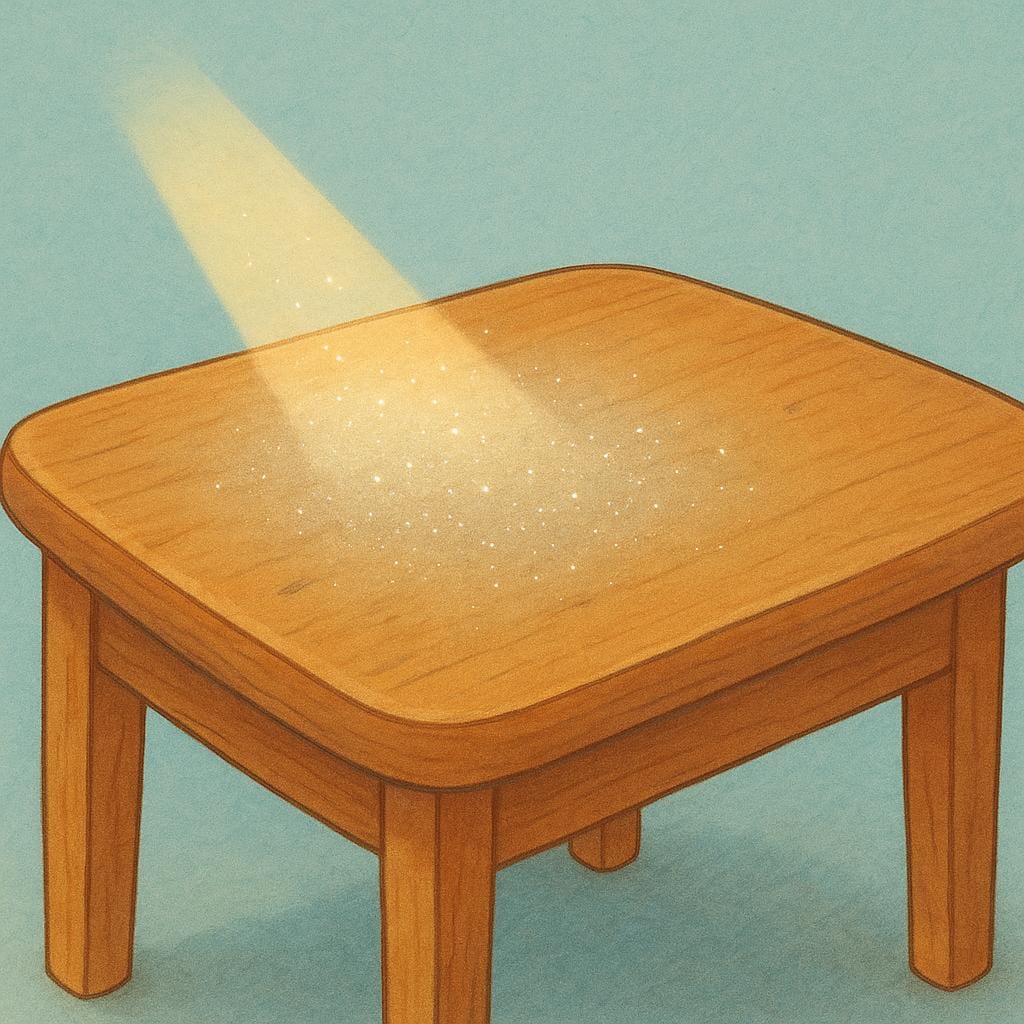
El mueble está cubierto de polvo.
The furniture is covered in dust.
Necesitas limpiar el polvo de esa mesa.
You need to clean the dust off that table.
La receta pide una cucharada de polvo de hornear.
The recipe calls for a tablespoon of baking powder.
Después de la sequía, había mucho polvo en el camino.
After the drought, there was a lot of dust on the road.
Gender Reminder
Even though many things that scatter or are fine particles are feminine (like la arena or la ceniza), polvo is always masculine: el polvo.
chisme
CHEE-smehˈtʃisme

Examples
No me gustan los chismes en la oficina.
I don't like gossip in the office.
¡Cuéntame el chisme completo!
Tell me the whole gossip!
No me gustan los chismes de la oficina.
I don't like office gossip.
Ese chisme resultó ser una mentira.
That rumor turned out to be a lie.
You can count 'chismes'
In English, 'gossip' is usually something you have 'some' of. In Spanish, it is a regular noun you can count: 'un chisme' (one piece of gossip) or 'muchos chismes' (lots of gossip).
Verbs to use
To share gossip, Spanish speakers almost always use the verb 'contar' (to tell/recount) or 'soltar' (to let go/release) if the news is particularly juicy.
Gossip vs. Gossiping
Mistake: “Me gusta chisme.”
Correction: Me gusta el chisme (the gossip) or Me gusta chismear (to gossip).
Confusing 'tierra' and 'suciedad'
Learn Spanish with Inklingo
Interactive stories, personalized learning, and more.