How to Say "filth" in Spanish
The most common Spanish word for “filth” is “suciedad” — use 'suciedad' when referring to a significant or offensive level of dirt and grime, especially when it evokes a feeling of disgust.
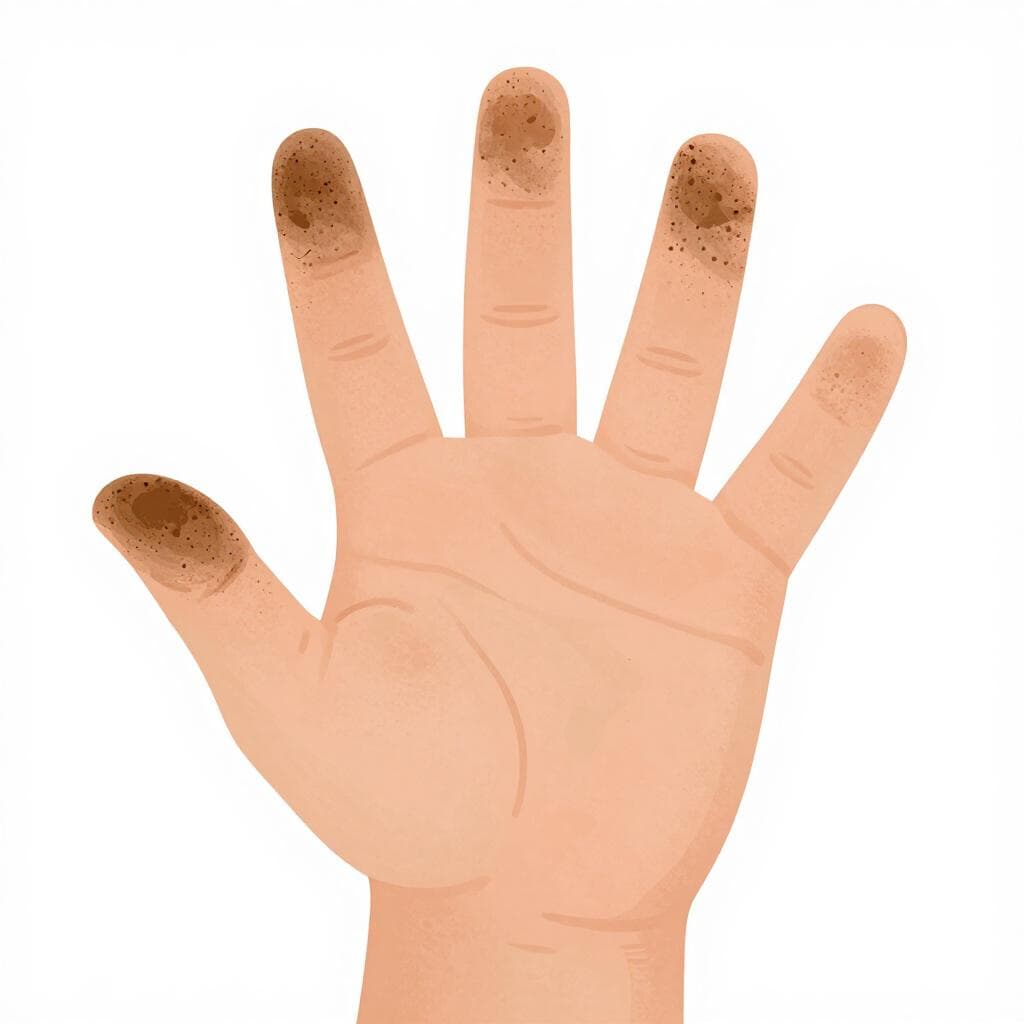
suciedad
soo-syeh-DAHDsuθjeˈðað

Examples
No me gusta la suciedad en la cocina.
I don't like the dirt in the kitchen.
Es difícil quitar la suciedad de estas botas.
It is hard to remove the dirt from these boots.
La suciedad acumulada en las calles es un problema para la ciudad.
The accumulated dirt on the streets is a problem for the city.
The '-dad' ending rule
Words ending in '-dad' are almost always feminine. You should always use 'la' or 'una' with this word: 'la suciedad'.
Uncountable things
Like the English word 'dirt,' we usually talk about 'suciedad' as a general mass, not as individual pieces of dirt.
Gender confusion
Mistake: “el suciedad”
Correction: la suciedad (because words ending in -dad are feminine)
porquería
Examples
Limpia la cocina, ¡hay una porquería tremenda!
Clean the kitchen, there is a tremendous mess!
Choosing between 'suciedad' and 'porquería'
Learn Spanish with Inklingo
Interactive stories, personalized learning, and more.