How to Say "expression" in Spanish
The most common Spanish word for “expression” is “expresión” — use this word when referring to the act or ability to communicate ideas, feelings, or opinions, such as freedom of speech.
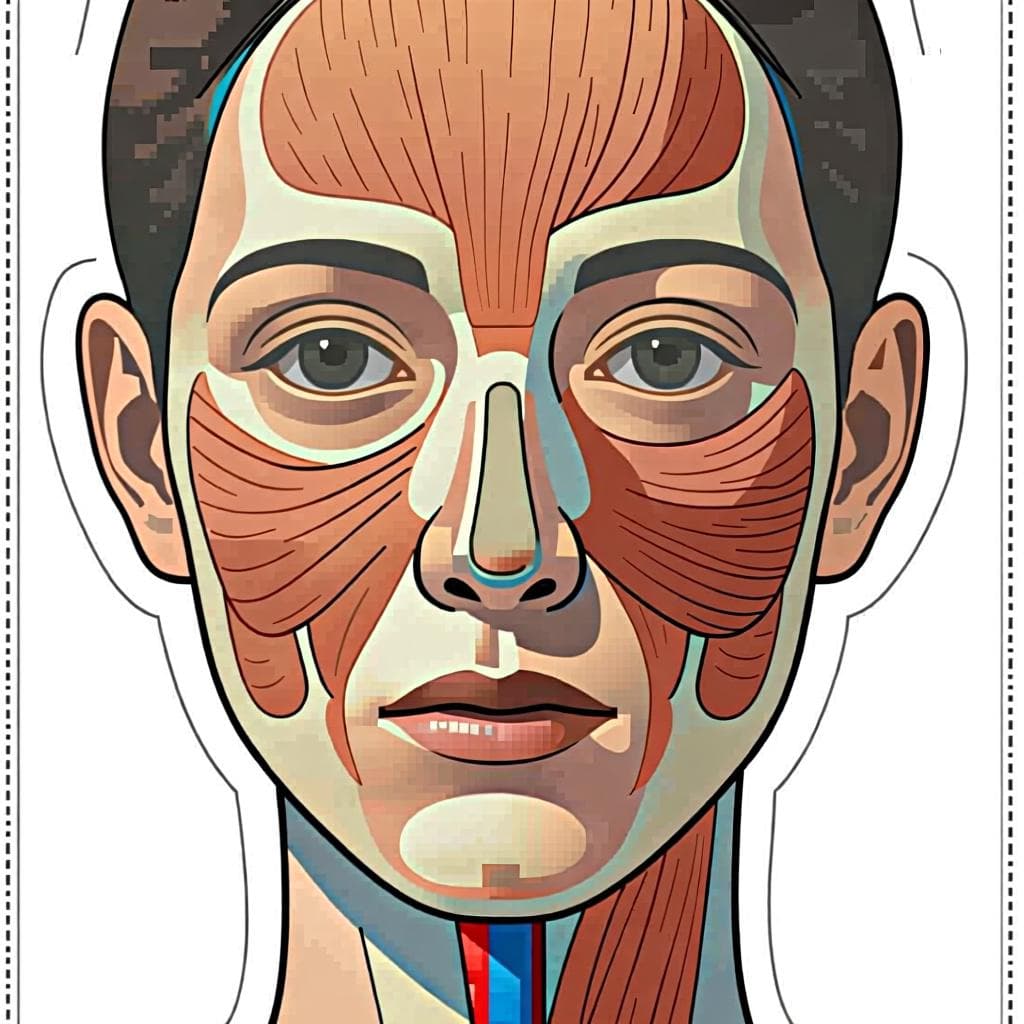
expresión
Examples
La libertad de expresión es fundamental en una democracia.
Freedom of expression is fundamental in a democracy.
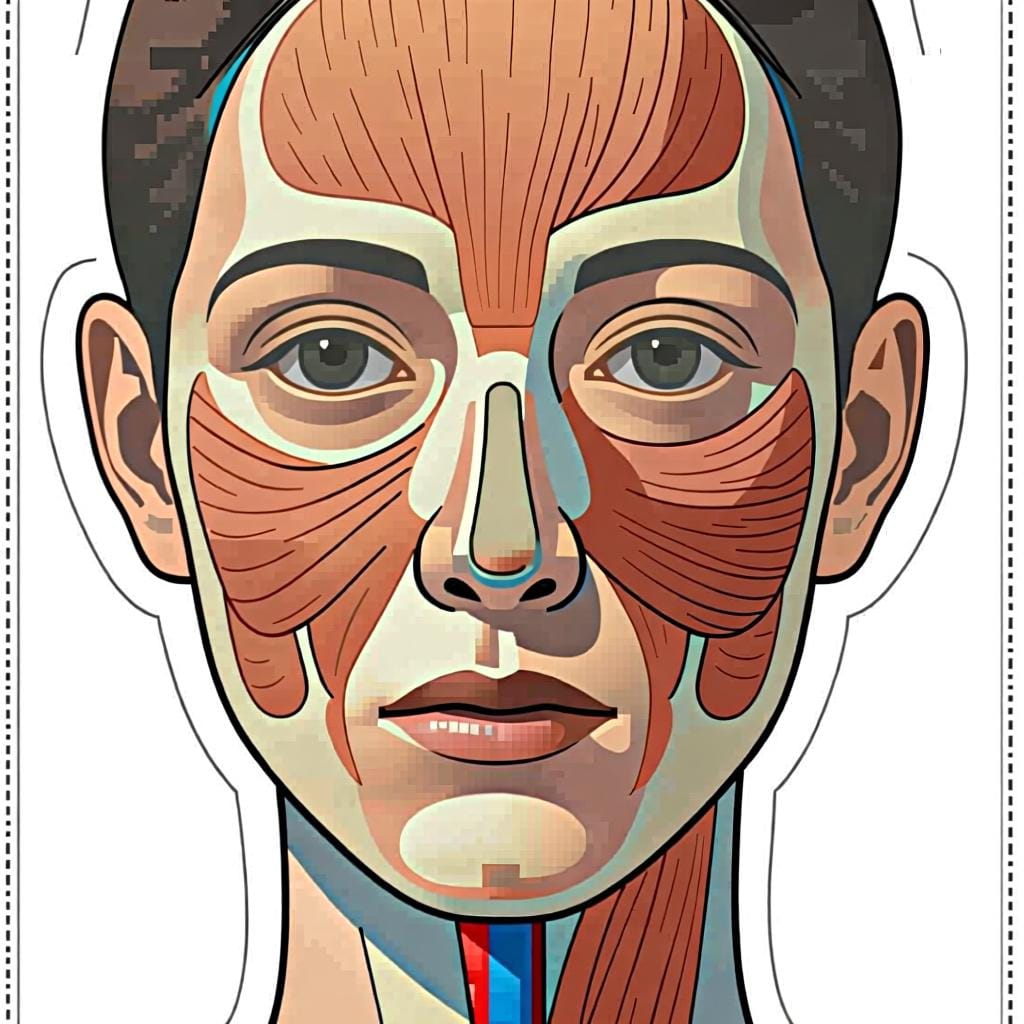
cara
kah-rahˈka.ɾa
Examples
Me lavo la cara todas las mañanas.
I wash my face every morning.
La moneda tiene dos caras: cara y cruz.
The coin has two sides: heads and tails.
Puso mala cara cuando le conté el problema.
He put on a sour face when I told him the problem.
'Cara' is a Feminine Word
Even though it doesn't end in '-o', 'cara' is a feminine word. So, you always use 'la' or 'una' with it. For example, 'la cara bonita' (the pretty face).
Describing Your Own Face
Mistake: “Incorrect: 'Tengo cara cansada.'”
Correction: Correct: 'Tengo la cara cansada.' When you're describing the state of your own body part, like your face, you usually need to include 'la' (the).
dicho
DEE-chohˈdi.t͡ʃo
Examples
Como dice el dicho, 'más vale tarde que nunca'.
As the saying goes, 'better late than never'.
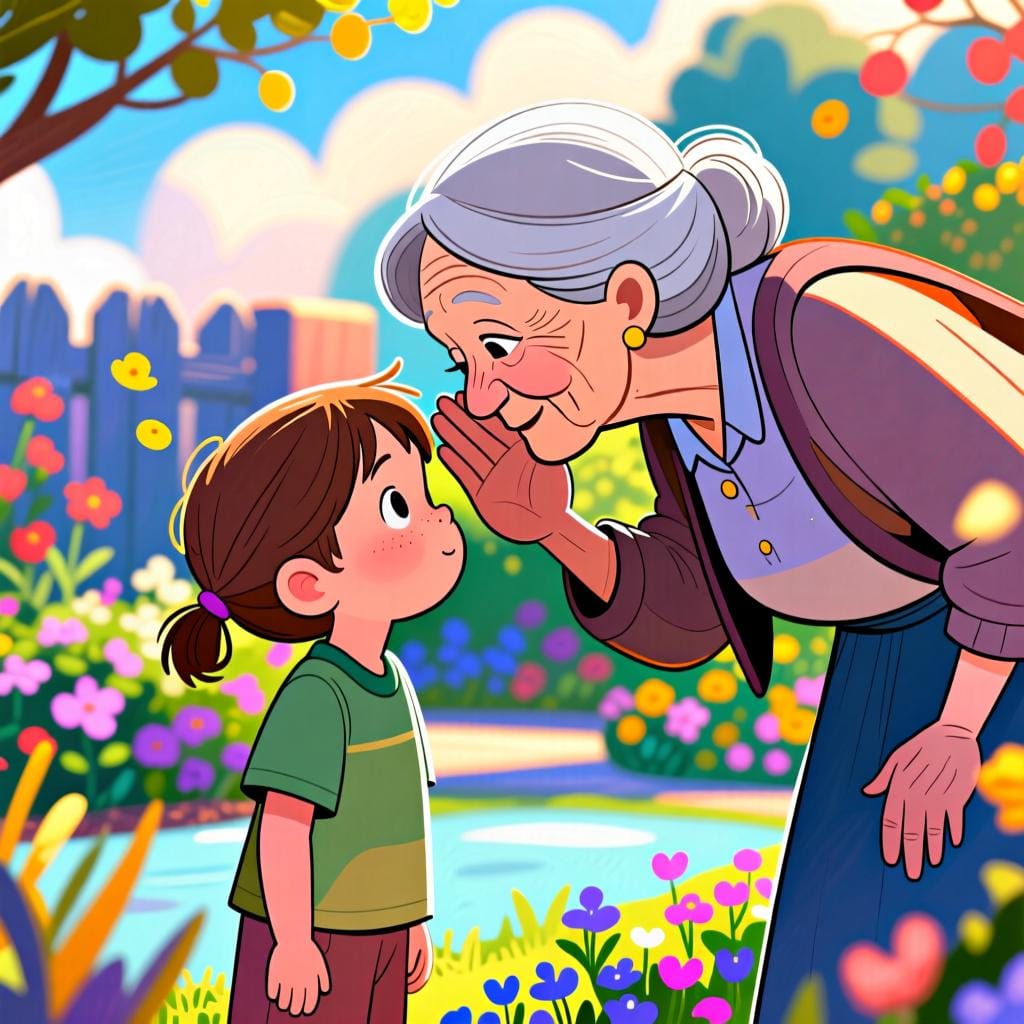
Mi abuela siempre tiene un dicho para cada situación.
My grandmother always has a saying for every situation.
Del dicho al hecho hay mucho trecho.
There's a big gap between what is said and what is done. (An idiom itself!)
Always Masculine
When used as a noun meaning 'saying', 'dicho' is always masculine. You'll always say 'el dicho' or 'un dicho'.
frase
FRAH-sehˈfɾase
Examples
Escribe una frase sencilla en el cuaderno.
Write a simple sentence in the notebook.
Esta frase tiene un error de puntuación.
This phrase has a punctuation error.
Necesito aprender algunas frases básicas para el viaje.
I need to learn some basic phrases for the trip.
Gender Check
Remember that 'frase' is feminine, so you must use 'la frase' or 'una frase'.
Frase vs. Oración
Mistake: “Using 'frase' when referring specifically to a complete thought with a subject and verb, especially in grammar class.”
Correction: While 'frase' is fine in everyday talk, technically, 'oración' is the word for a complete grammatical sentence. Think of 'frase' as the general term for 'a group of words.'
Examples
Ese es un término científico que solo conocen los expertos.
That is a scientific term that only experts know.
manifestación
Examples
El arte es una manifestación de la cultura.
Art is an expression of culture.
Confusing Sayings vs. Facial Expressions
Related Translations
Learn Spanish with Inklingo
Interactive stories, personalized learning, and more.