How to Say "fat" in Spanish
The most common Spanish word for “fat” is “gordo” — use 'gordo' when describing something or someone as overweight or having a large body size.

Use 'gordo' when describing something or someone as overweight or having a large body size.
Learn more →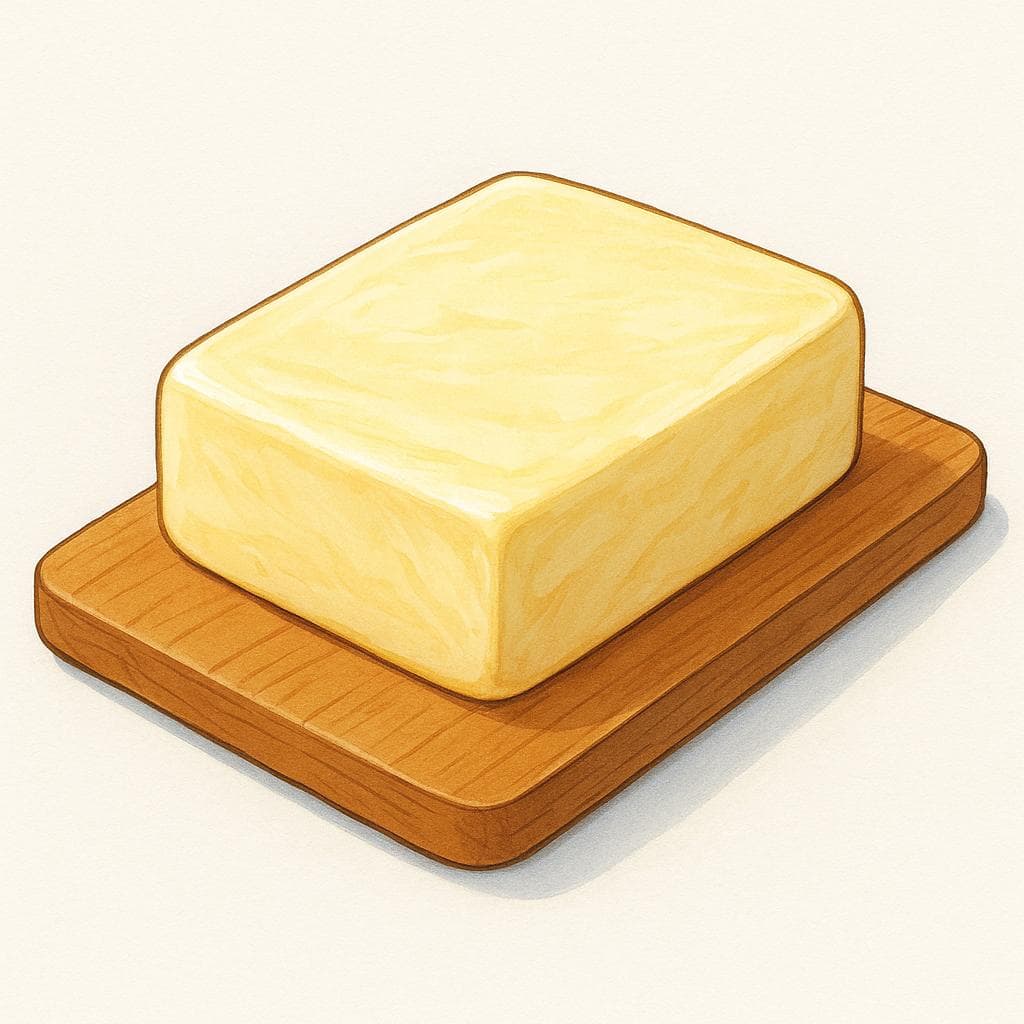
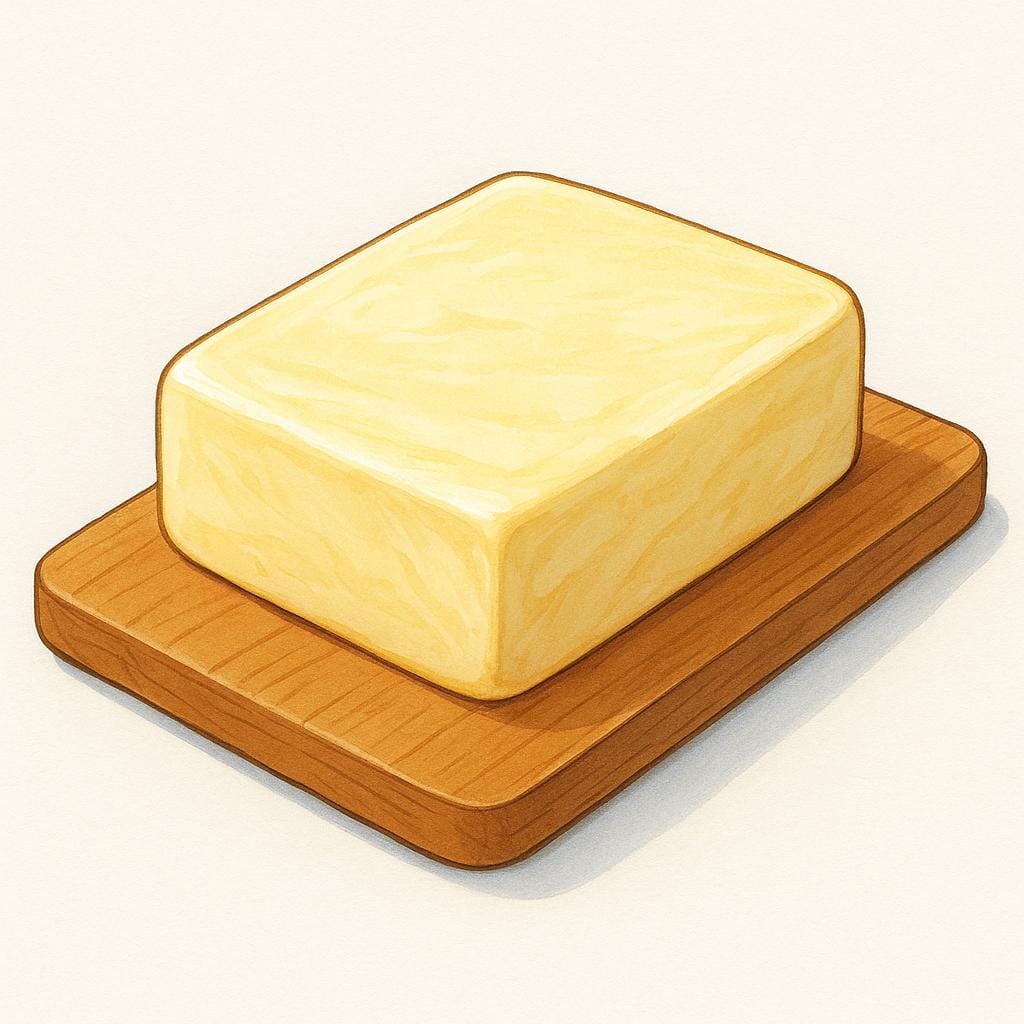
Use 'grasa' to refer to fat as a biological substance in the body or as a component in food.
Learn more →
Use 'manteca' specifically for rendered animal fat, like lard, used as an ingredient in cooking.
Learn more →GOR-doh (like 'gore' then 'dough')ˈɡoɾðo

Examples
El perro de mi vecino está muy gordo.
My neighbor's dog is very fat.
Ella no está gorda, solo tiene una complexión fuerte.
She is not fat, she just has a strong build.
Gender and Number Match
Like all Spanish adjectives, 'gordo' changes form to match the person or thing it describes: 'gorda' (feminine), 'gordos' (masculine plural), 'gordas' (feminine plural).
Using 'ser' vs. 'estar'
Mistake: “Using 'ser gordo' when talking about temporary weight gain.”
Correction: Use 'estar gordo' (e.g., 'Estoy gordo ahora') if you are referring to a current state, or 'ser gordo' (e.g., 'Soy gordo') if it's considered a permanent, defining characteristic.
grah-sahˈɡɾasa
Examples
La nutricionista me dijo que evite la comida con mucha grasa.
The nutritionist told me to avoid food with a lot of fat.
Perdí cinco kilos de grasa corporal después de entrenar.
I lost five kilos of body fat after training.
Always Feminine
Remember that 'grasa' is always a feminine word, so you must use 'la grasa' or 'mucha grasa'.
man-TEH-kahmanˈteka

Examples
Para hacer tamales tradicionales, necesitas manteca de cerdo.
To make traditional tamales, you need pork lard.
La receta pide media taza de manteca vegetal.
The recipe calls for half a cup of vegetable shortening.
Lávate las manos, que tienes manteca.
Wash your hands, they are greasy (covered in fat).
Using 'La' with Manteca
Since this word ends in 'a' and is feminine, you should always use feminine words with it, like 'la manteca' or 'manteca fría'.
Don't confuse with 'mantequilla'
Mistake: “Using 'manteca' to mean butter in Spain or Mexico.”
Correction: In Spain and Mexico, butter is 'mantequilla'. Use 'manteca' only if you mean lard or shortening.
Gordo vs. Grasa
Learners often confuse 'gordo' (fat as in overweight) with 'grasa' (fat as in a substance). Remember that 'gordo' is an adjective describing size, while 'grasa' is a noun referring to the substance itself, whether in food or the body.
Related Translations
Learn Spanish with Inklingo
Interactive stories, personalized learning, and more.