How to Say "fixation" in Spanish
The most common Spanish word for “fixation” is “obsesión” — use 'obsesión' when referring to an unhealthy, all-consuming mental focus on something or someone, often to an extreme degree.
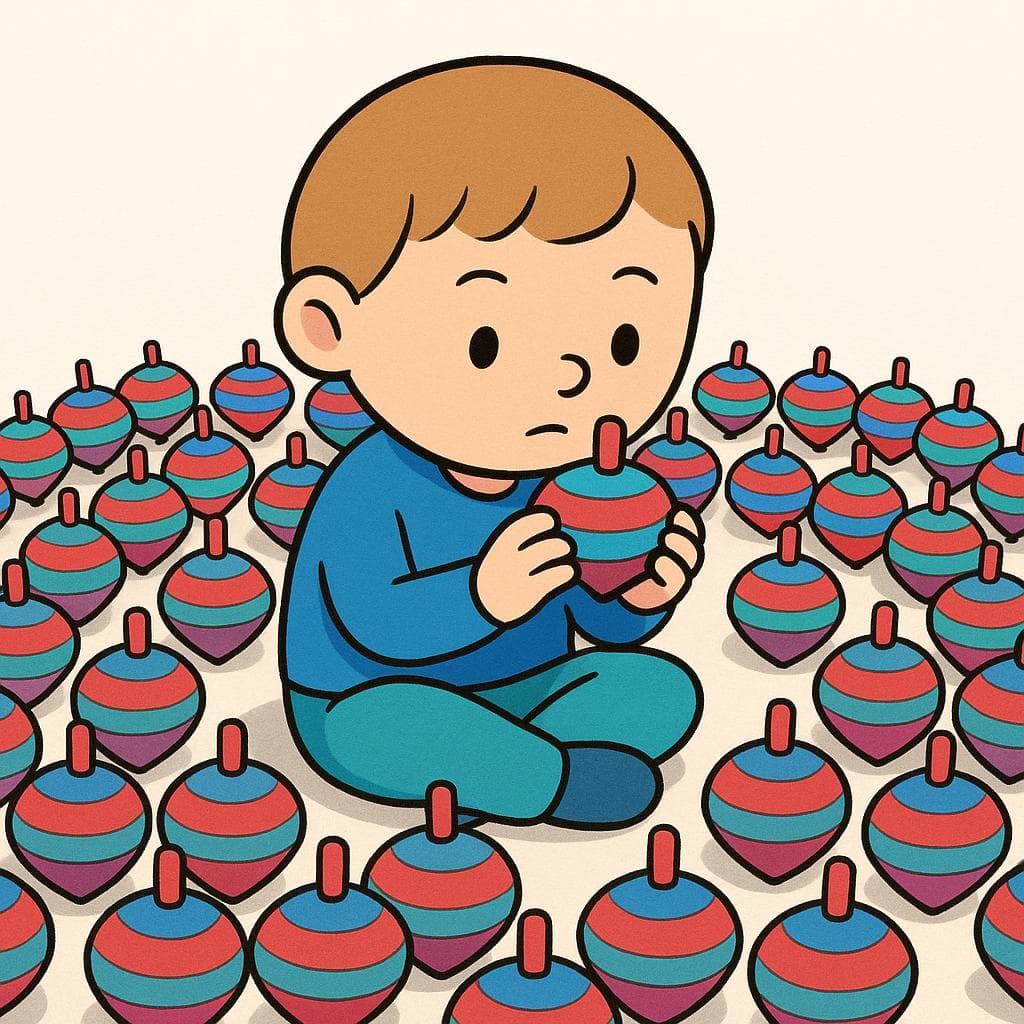
obsesión
Examples
Su obsesión por la limpieza es tan fuerte que limpia la casa dos veces al día.
Her obsession with cleanliness is so strong that she cleans the house twice a day.
fijación
Examples
Él tiene una fijación con los videojuegos antiguos.
He has a fixation with old video games.
manía
Examples
Tengo la manía de lavarme las manos cada diez minutos.
I have the quirk of washing my hands every ten minutes.
ida
EE-dahˈiða
Examples
A veces le dan unas idas muy raras.
Sometimes she has some very strange fits/outbursts.
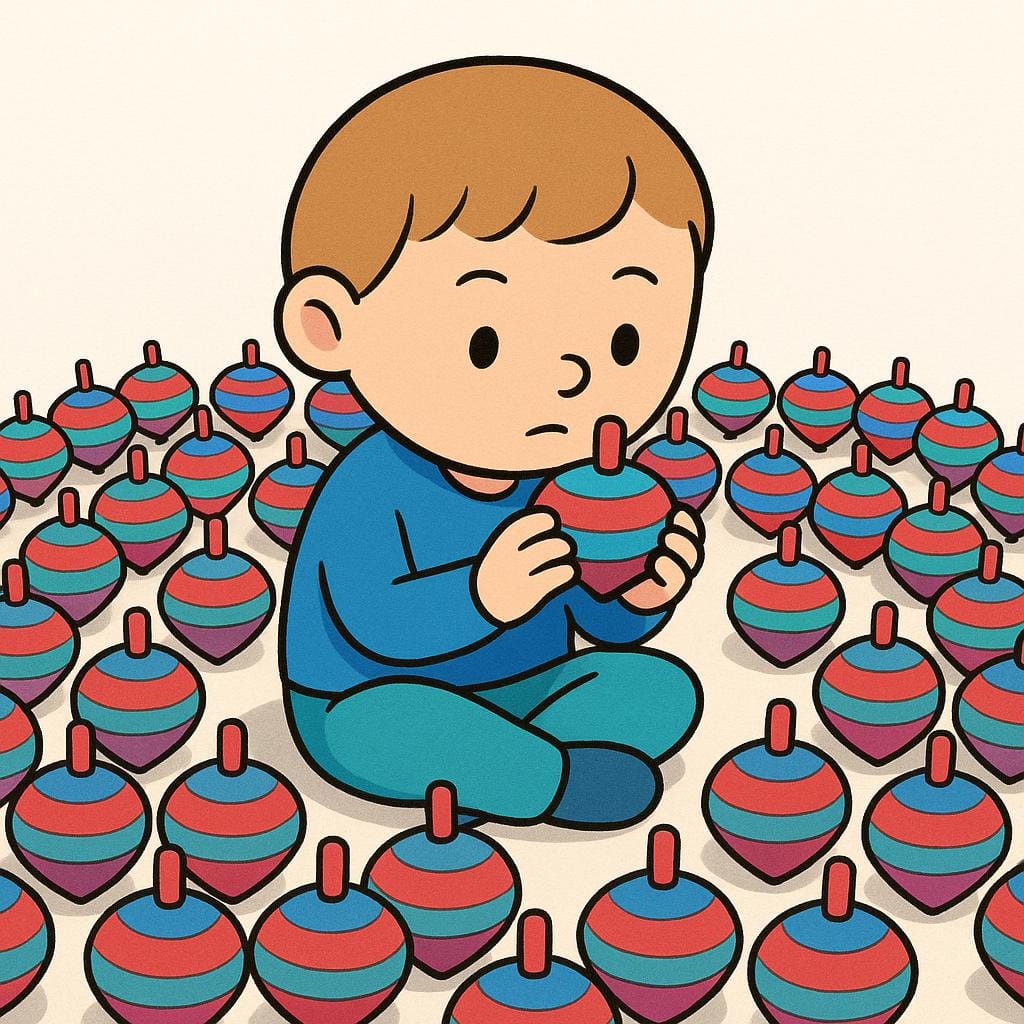
Tiene una ida con ese coche viejo, no lo quiere vender.
He has a fixation on that old car; he doesn't want to sell it.
Figurative Meaning
In this sense, 'ida' suggests a momentary mental 'trip' or deviation from normal thinking. It is typically used in the plural, 'idas', when referring to strange behavior.
fijación
Examples
La fijación de los precios depende del mercado.
The setting of prices depends on the market.
Obsesión vs. Fijación
Related Translations
Learn Spanish with Inklingo
Interactive stories, personalized learning, and more.