How to Say "fuse" in Spanish
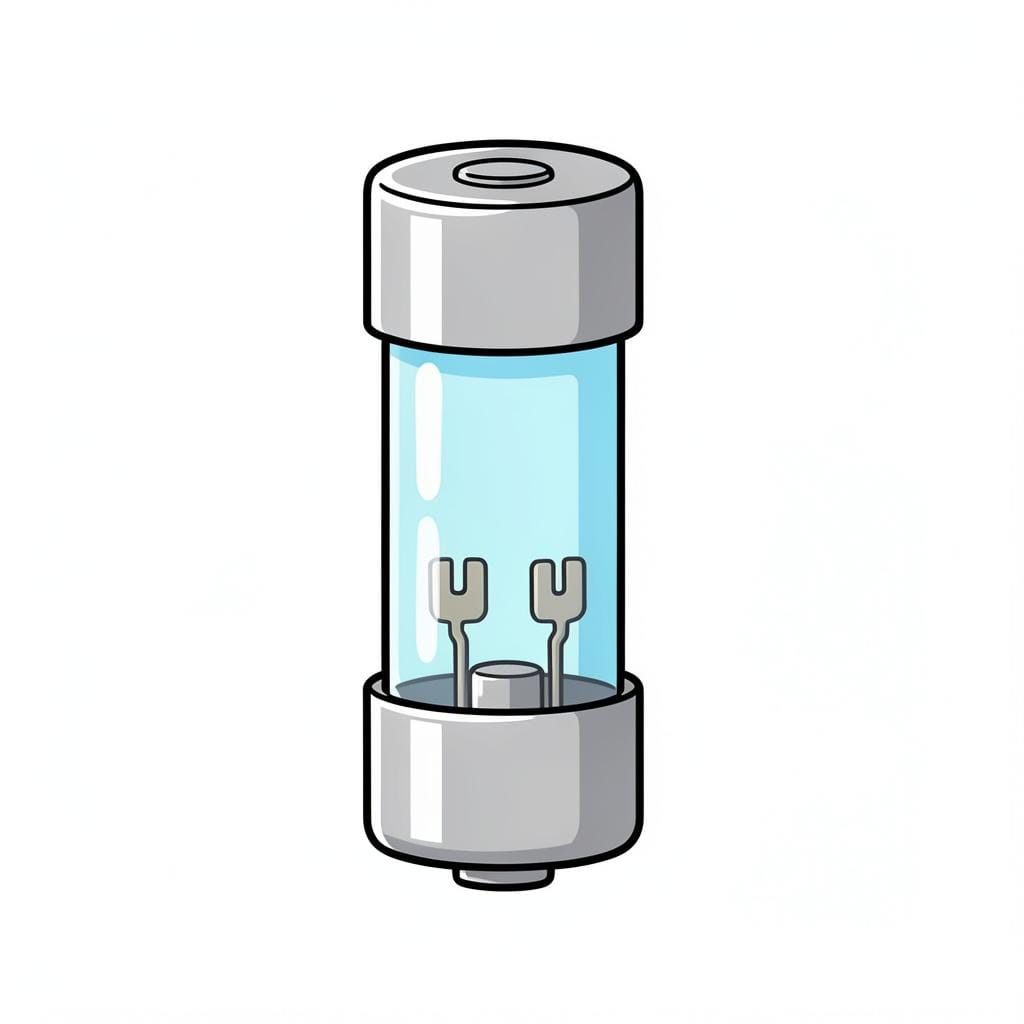
The most common Spanish word for “fuse” is “plomo” — use 'plomo' when referring to the safety device in an electrical circuit that melts and breaks the connection to prevent damage from overcurrent.
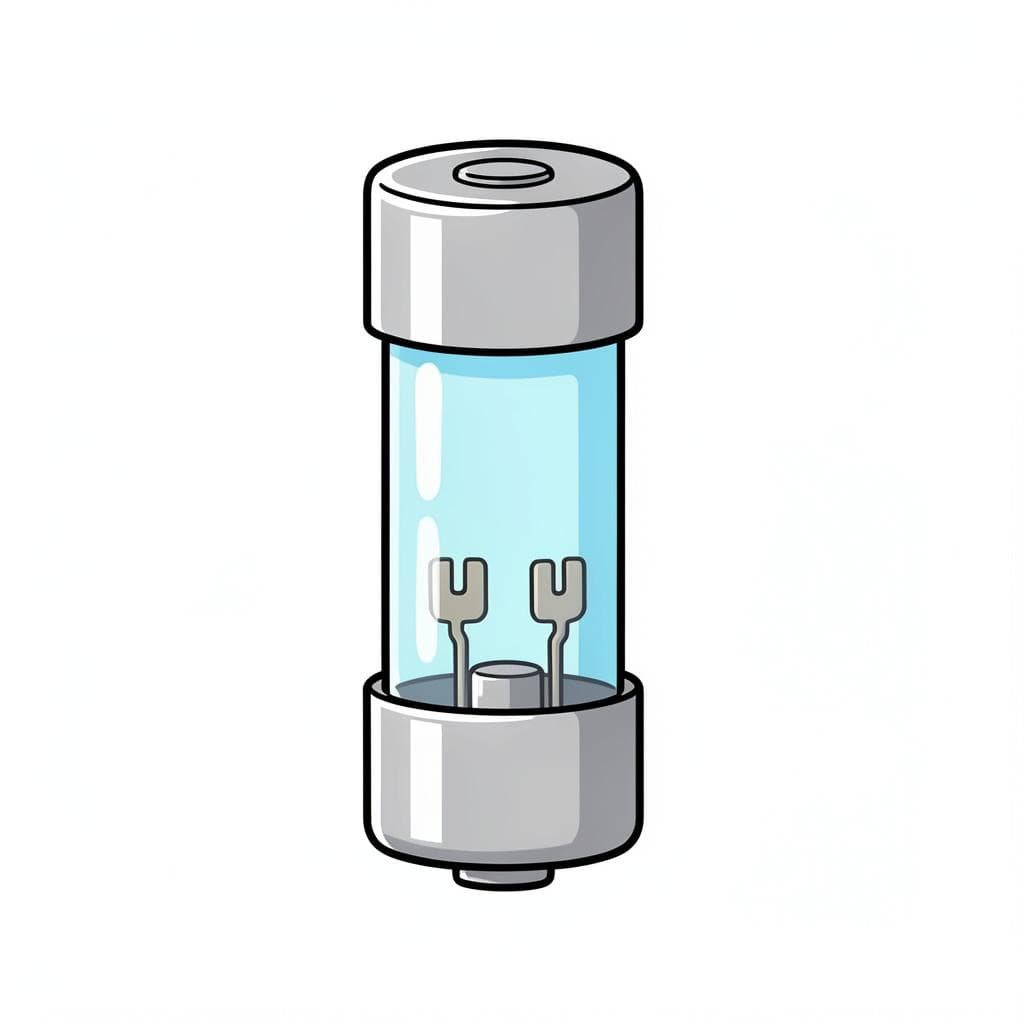
plomo
PLOH-mohˈplomo
Examples
Se saltaron los plomos porque encendí el microondas y la estufa.
The fuses blew because I turned on the microwave and the heater.
Plomo vs. Fusible
Mistake: “Using 'fusible' in everyday conversation to mean the power went out.”
Correction: While 'fusible' is correct, most people say 'saltar los plomos' when the electricity trips at home.
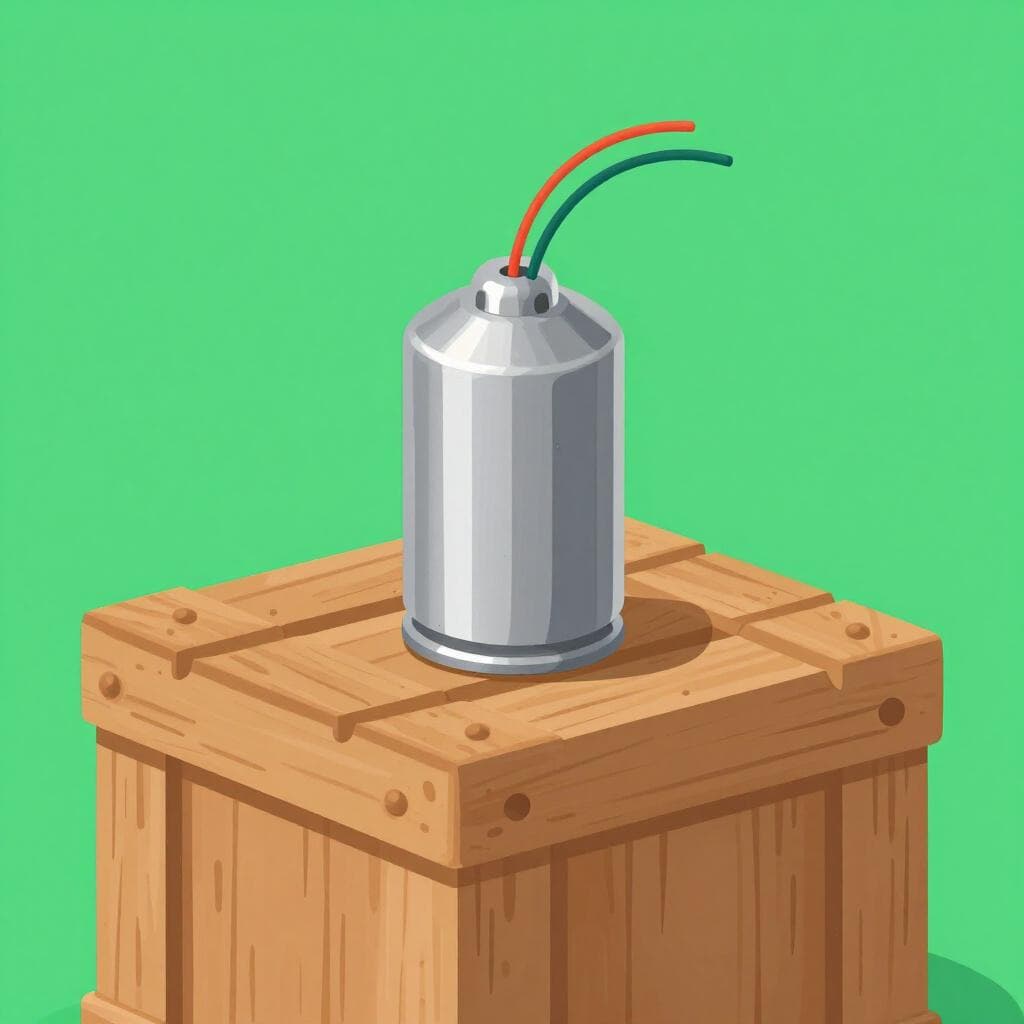
detonador
deh-toh-nah-DOHRdetonaˈðoɾ

Examples
El experto conectó el detonador a la carga de dinamita.
The expert connected the detonator to the dynamite charge.
Encontraron un detonador remoto en la zona de construcción.
They found a remote detonator in the construction zone.
Nunca toques un detonador si lo encuentras en el suelo.
Never touch a detonator if you find one on the ground.
Gender and Endings
Words ending in -dor that refer to objects are almost always masculine, like 'el detonador' or 'el ordenador'.
Detonador vs. Gatillo
Mistake: “Using 'detonador' for a gun's trigger.”
Correction: Use 'gatillo' for a physical gun trigger. 'Detonador' is for the explosive device itself.
Electrical vs. Explosive
Related Translations
Learn Spanish with Inklingo
Interactive stories, personalized learning, and more.