How to Say "goat" in Spanish
The most common Spanish word for “goat” is “cabra” — use 'cabra' for the general term for a goat, especially when referring to the species as a whole or an adult female goat.
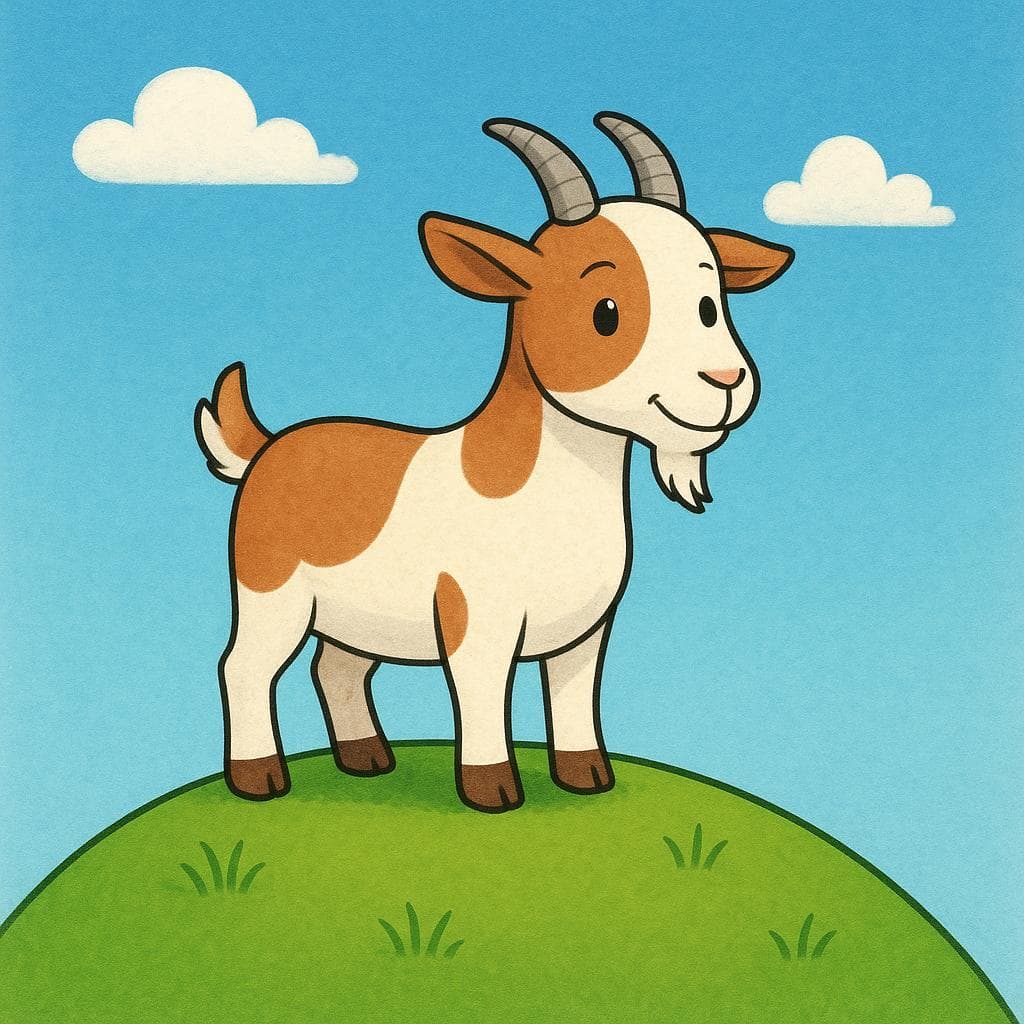
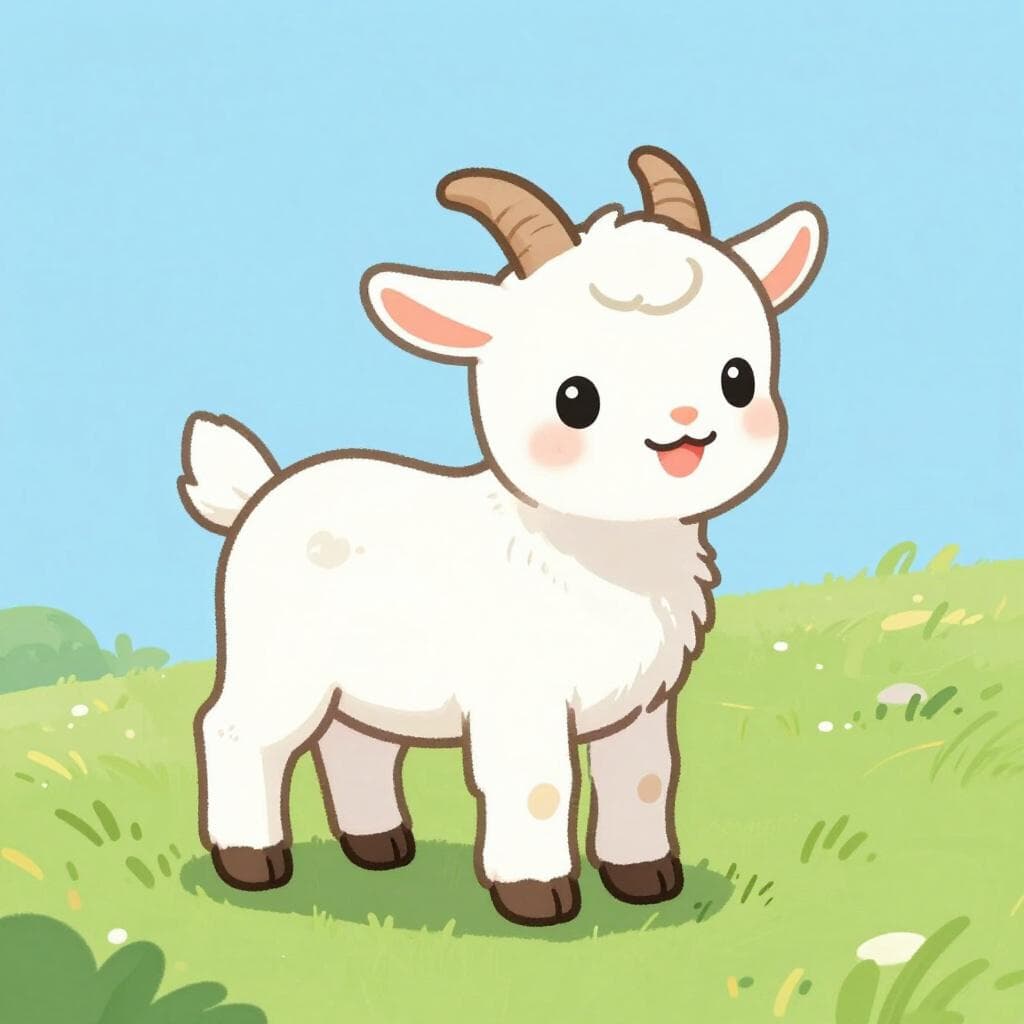
cabra
kah-brahˈkaβɾa

Examples
La cabra come hojas y ramas en la montaña.
The goat eats leaves and branches on the mountain.
El ganadero tiene un rebaño de veinte cabras.
The rancher has a herd of twenty goats.
Feminine Noun
Since 'cabra' is a feminine word, always use 'la' or 'una' before it, and any describing words (adjectives) must also end in '-a'.
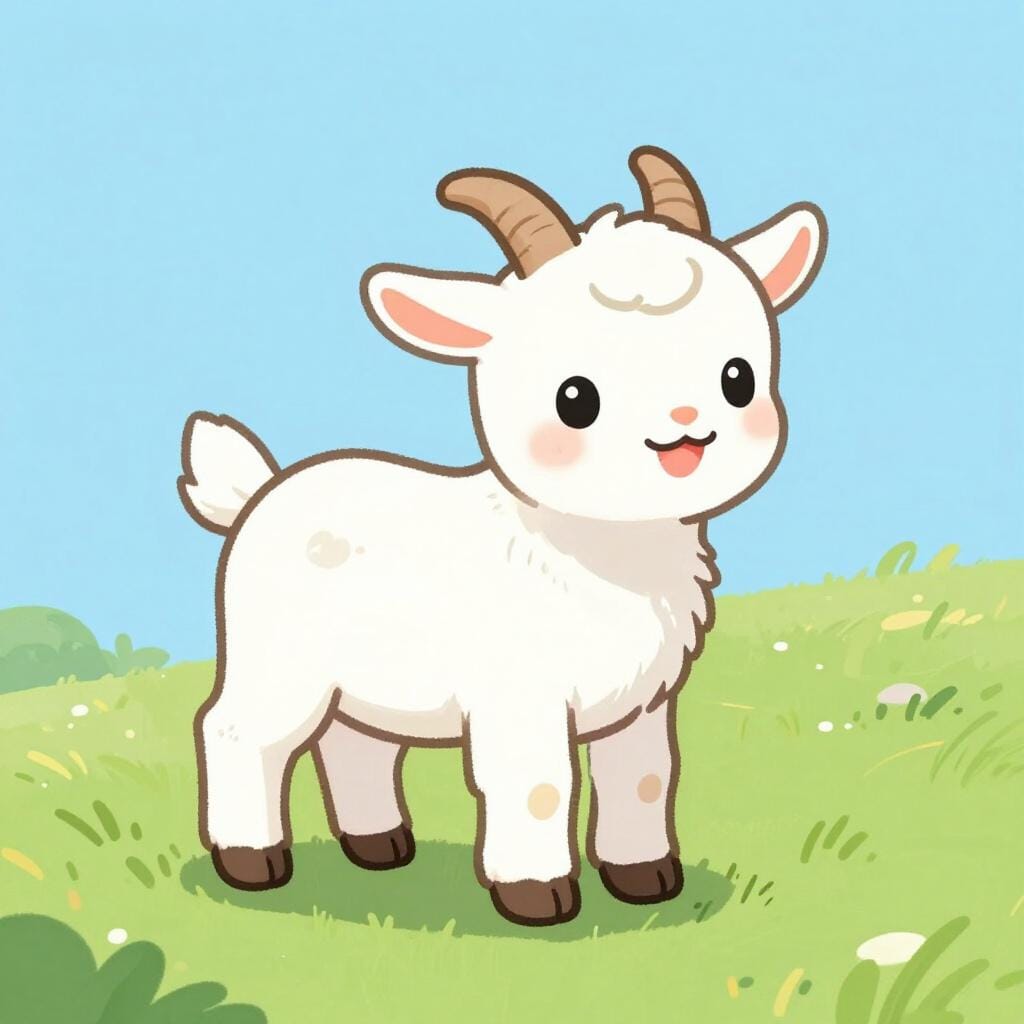
chivo
chee-bohˈtʃi.βo
Examples
El chivo corre por el campo.
The young goat runs through the field.
En esta región, el chivo asado es un plato muy popular.
In this region, roasted goat is a very popular dish.
No me uses como tu chivo expiatorio para tus errores.
Don't use me as your scapegoat for your mistakes.
Chivo vs. Cabra
While both mean goat, 'chivo' usually refers to a young male goat, whereas 'cabra' is the general word for a female goat.
Making it Feminine
If you are talking about a young female goat, you change the ending to 'a' to get 'chiva'.
Don't use for all goats
Mistake: “Using 'chivo' for a large, adult female goat.”
Correction: Use 'cabra' for adult females and 'chivo' or 'cabrito' for young ones or males.
General vs. Young Goat
Related Translations
Learn Spanish with Inklingo
Interactive stories, personalized learning, and more.