How to Say "governor" in Spanish
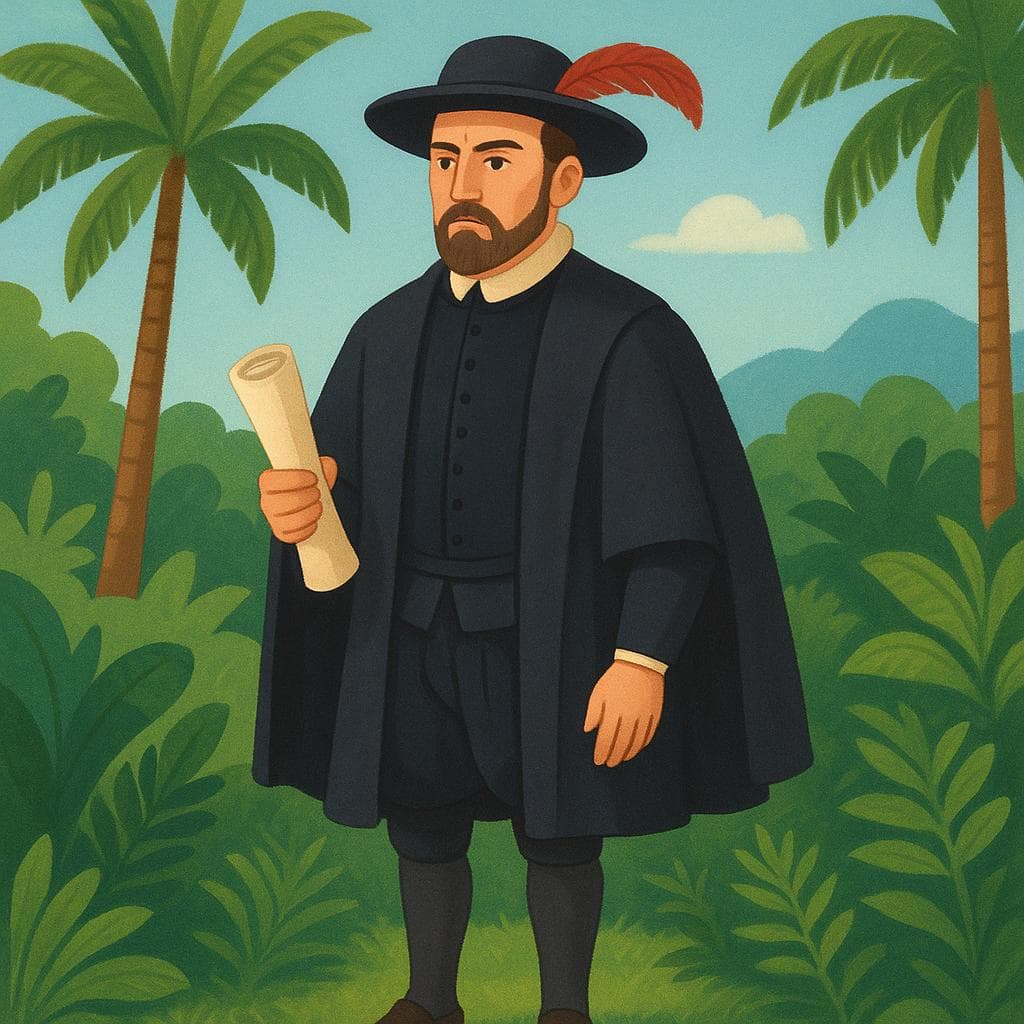
The most common Spanish word for “governor” is “gobernador” — use this term for the modern political leader of a state, province, or region.



gobernador
go-ber-na-DORɡoβeɾnaˈðoɾ

Examples
El gobernador del estado firmó la nueva ley.
The state governor signed the new law.
El cargo de gobernador es elegido por voto popular.
The position of governor is chosen by popular vote.
Todos esperan que el nuevo gobernador mejore la economía local.
Everyone hopes the new governor improves the local economy.
Gender Rule
Since this word ends in '-or', it refers to a man (masculine). If you are talking about a female leader, you must use the feminine form: 'la gobernadora'.
Confusing Nouns
Mistake: “Using 'gobierno' when you mean the person.”
Correction: 'Gobierno' means the 'government' (the system or institution). 'Gobernador' is the person in charge. Use 'gobernador' when referring to the individual.
gobernante
go-ber-NAN-teɡoβerˈnante

Examples
El pueblo eligió a un nuevo gobernante.
The people chose a new ruler.
Es una gobernante muy respetada en toda la región.
She is a very respected leader in the whole region.
Los gobernantes deben trabajar por el bienestar de los ciudadanos.
Rulers must work for the well-being of the citizens.
One word for both genders
This word stays the same whether you are talking about a man or a woman. Just change the 'el' to 'la' (el gobernante / la gobernante).
Plural form
To make it plural, just add an 's' at the end: 'los gobernantes'.
Gobernante vs. Gobernador
Mistake: “Using 'gobernador' to mean any world leader.”
Correction: Use 'gobernante' for a general leader or ruler. Use 'gobernador' specifically for a person in charge of a province or a state (like the Governor of California).
The 'Gobernanta' Trap
Mistake: “Saying 'la gobernanta' for a female political leader.”
Correction: Say 'la gobernante'. In Spanish, 'una gobernanta' usually refers to a head housekeeper in a hotel, not a politician!
alcaide
ahl-KY-dehalˈkaide

Examples
El alcaide de la prisión supervisa todas las actividades diarias.
The prison warden supervises all daily activities.
En las novelas antiguas, el alcaide del castillo siempre era un caballero leal.
In old novels, the governor of the castle was always a loyal knight.
Los prisioneros pidieron hablar directamente con el alcaide.
The prisoners asked to speak directly with the warden.
Gender and Endings
While 'alcaide' usually refers to a man, the word 'alcaidesa' exists to specifically describe a woman holding this position.
Using 'alcaide' vs 'director'
In many modern Spanish-speaking countries, people use 'director de la cárcel' for everyday conversation. 'Alcaide' sounds more official or old-fashioned.
The 'Alcaide' vs 'Alcalde' Mix-up
Mistake: “Using 'alcaide' to mean the mayor of a city.”
Correction: Use 'alcalde' for the mayor. An 'alcaide' runs a prison or a fortress, not a city.
adelantado
ah-deh-lahn-TAH-doha.ðe.lanˈta.ðo
Examples
El Rey nombró un adelantado para la nueva provincia.
The King named a governor/commander for the new province.
Los adelantados tenían grandes poderes en las colonias.
The 'adelantados' (governors) held great power in the colonies.
Historical Context
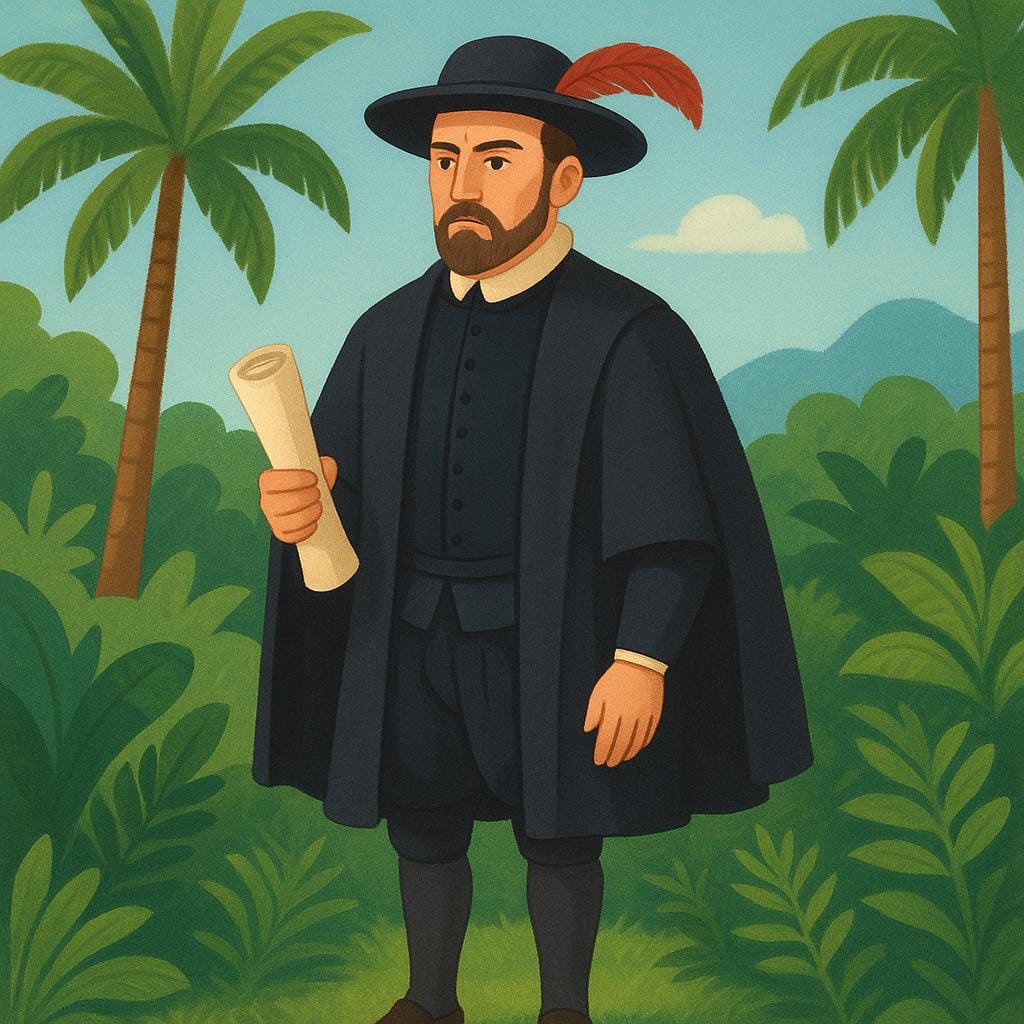
This word refers to a specific, high-ranking military and judicial official appointed by the Spanish Crown during the conquest and colonization of the Americas.
Gobernador vs. Gobernante
Related Translations
Learn Spanish with Inklingo
Interactive stories, personalized learning, and more.